Règlement FFPJP · 23 July 2026
These unusual cases with obstacles to pétanque that the regulations have provided for
Natural obstacle, boundary, water, tree stump or gutter: find out how the FFPJP rules handle unusual pétanque situations without guesswork.1.The principle: we play the field as it exists
In pétanque, the field is not a pool table. Gravel, slope, borders, old holes, roots and small reliefs are part of the decor once the organization has retained this playing framework. The player cannot demand a perfect pitch after missing a ball. He must read the environment before throwing, then accept the normal consequences of the ground.
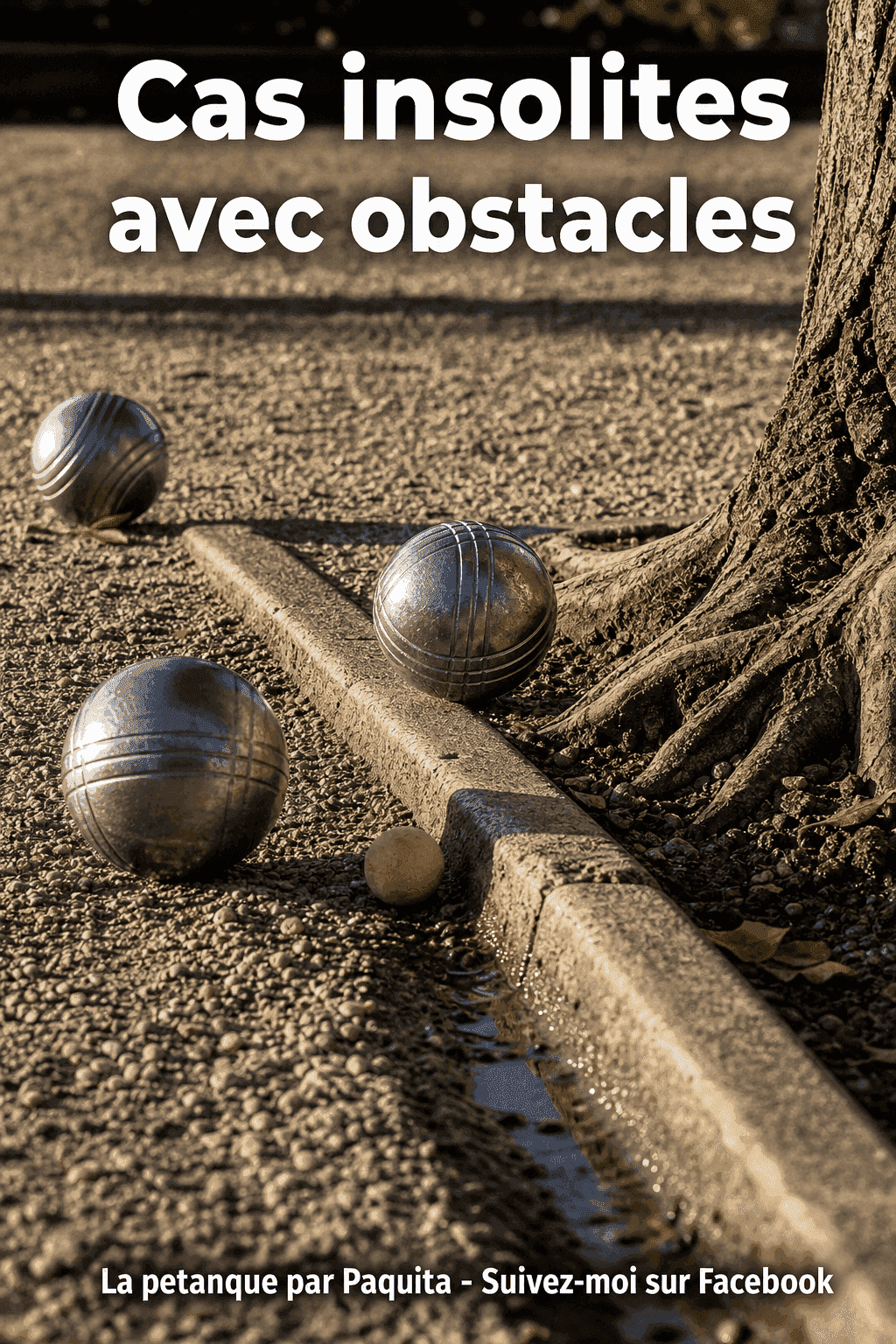
This principle is important: if a ball hits a fixed stone or a border and comes back into play, it is not automatically canceled. We first look to see if the ball remains valid. It counts if it has not crossed a loss line and if no planned event of nullity applies.
The right reflex: do not discuss what should have happened, only discuss what happened and the area where the ball or goal came to rest.
2.Natural obstacle or added obstacle: the decisive difference
A natural obstacle or one already present before the lead is in principle integrated into the terrain. A root, an old border, a visible drainage hole or a fixed slab do not become suspect because a ball hits them. Conversely, an object added by chance during the round changes the analysis: bag, bottle, score sheet, tool, foot of a spectator or chair moved.
In the first case, the game continues its course. In the second, it is necessary to determine whether external intervention has modified the position of a ball or the goal. This is where the referee, in competitions, becomes essential: he checks the facts, listens to the teams and applies the planned compensation.
| Situation | Regulatory reading | Reflex |
|---|---|---|
| Root visible | Land accepted | The ball remains played |
| Bag placed afterwards | External intervention | Call the umpire |
| Fixed border | Hardware limit | Observe validity |
3.When the obstacle moves the jack
The jack is the heart of the lead. If it is moved by a regularly played ball and then stops in a valid zone, the lead continues around its new position. If it goes out of bounds or becomes void according to the cases provided for, the rule of a void goal is then applied, with all the consequences on the balls remaining to be played.
The confusion often comes from a goal close to an obstacle but still visible and playable. Close doesn't mean bad. As long as the goal remains within the regulatory conditions, we continue. If it is in a place where it can no longer be played normally or in a prohibited area, the decision changes.
Before touching anything, mentally or physically mark the positions. A fair decision becomes almost impossible if someone picks up the base or moves a ball too quickly.
4.The comparison: normal terrain versus external incident
Many conflicts come from confusion between bad luck on the field and a playing incident. The rules do not correct bad luck. It corrects interventions that are not part of the game.
5.Errors that make life worse
The first mistake is to mentally replay the perfect shot: “without the root, it was point”. This sentence is useless if the root existed before the throw. The second mistake is to move the obstacle or the ball before agreement. The third is to confuse visual discomfort with nullity. A goal that is visible but difficult to play is not automatically lost.
In competitions, table voting should also be avoided. The decision is not made by the most confident player, but by the rules and, if necessary, by the referee. A calm and factual dispute protects both teams.
6.The simple method in official competition
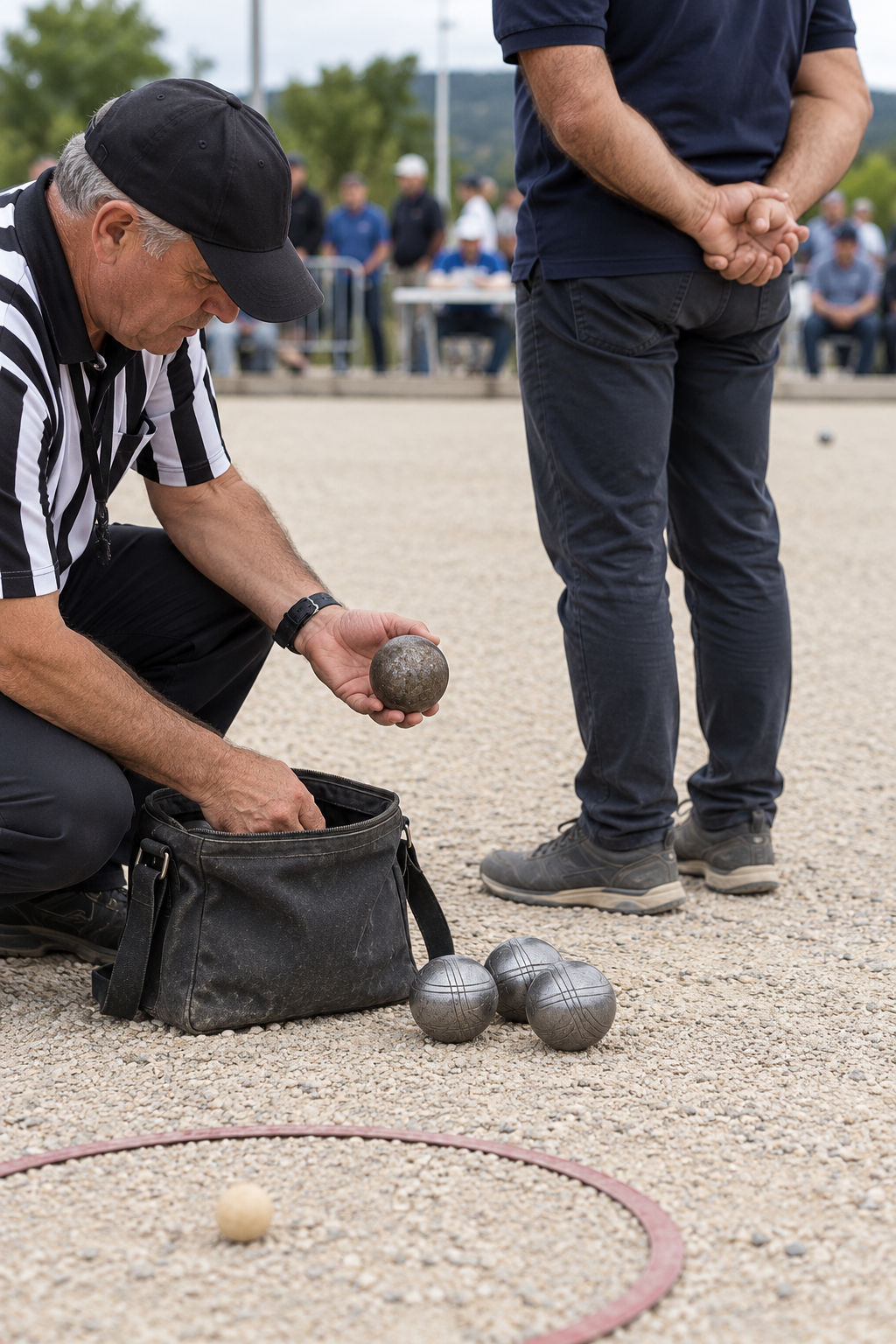
When an unusual situation arises, always follow the same order. First, stop the lead without touching the elements. Then, identify the origin of the obstacle: present at the start or added during play. Then check the final zone of the ball or goal. Finally, only if doubt remains, call the referee before any replay.
This method doesn't really slow down the game. Above all, it avoids transforming a minor incident into a lasting conflict. The rules serve this purpose: to give a common language to players who do not see the scene with the same interests.
Reading the slopes, stones and trap areas helps both in strategy and regulation. This guide turns complicated terrain into stronger decisions.
Discover