Règlement FFPJP · 3 August 2026
Club outfit and identical top: the obligations to know before a championship
Avant un championnat, vérifiez la tenue de club, le haut identique et les règles de l’épreuve pour éviter un litige avant la première mène.Before a championship, a team should not discover its kit at the control desk. The right reflex is simple: check the top, bottoms, shoes and any event-specific instructions together, then seek an official opinion before the first call if there is any doubt.
1.Proper kit is not a mere formality
In official competition, kit first helps everyone play within a clear framework. It must suit the sport, be clean, safe and comply with the applicable rules. Closed shoes, respect for the organiser’s requirements and no clearly unsuitable garment are basic checks. This is not an elegance contest: it protects fairness, the event’s image and a smooth inspection.
For a team, the trap is to reduce the issue to the colour of a T-shirt. Kit includes the top, bottoms, shoes and, depending on conditions, layers used against rain or cold. A specific rule for a championship, qualifier, club championship or competition may define the expected degree of uniformity. The event’s specific regulations are therefore the document to reread before leaving.
If the team is not sure which rule applies, contact the organiser or the club before travelling. An answer obtained in time avoids a decision made under stress.
2.“Identical top”: look for consistency, not approximation
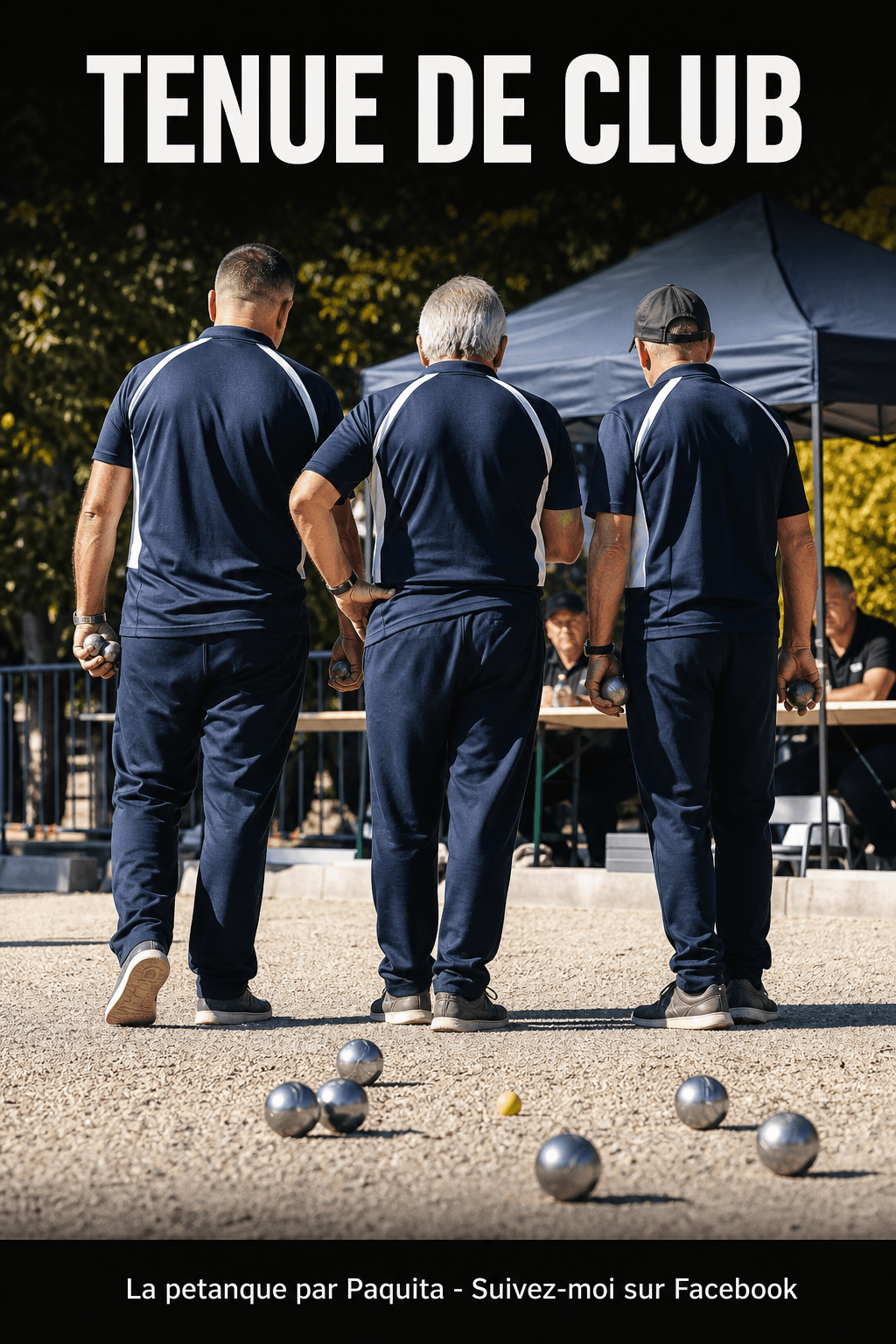
When an event requires identical tops, it is not enough to wear three garments that are “more or less” the same colour. The safest reading is a team that is immediately recognisable: the same model or design when required, consistent colours and readable club identification if it is required. One old isolated shirt, a different logo or an unrelated cut can create needless doubt.
Conversely, do not invent a wider obligation than the announced one. Bottoms, a jacket or weather protection are not automatically judged like the top: the event instruction and the official’s assessment matter. The right question is not “does it look similar?”, but “does it comply with the rules that apply to us today?”
3.The team check to do the day before
Gather the players, or at least clear photos of the planned kit. Compare the tops front and back, visible logos, possible partners and spare garments. Also check the shoes and the plan for changing weather. This five-minute preparation is worth far more than a long discussion at the draw.
| Item to check | Useful question | Prudent decision |
|---|---|---|
| Tops | Do the regulations require a particular model or identification? | Take the same official top for everyone. |
| Bottoms and shoes | Does the event set any restriction? | Choose clean sportswear and closed shoes. |
| Rain or cold | Does the added layer hide the required identification? | Plan a consistent option and mention it if needed. |
| Advertising | Are the markings allowed and compatible? | Avoid any uncertain or unapproved shirt. |
4.At inspection, the captain makes the decision easier
The referee and the organisers are responsible for assessing compliance within the event framework. Their role is not to guess the team’s intention, but to decide from the available information. The captain helps by calmly presenting the situation, any useful documents and an alternative solution. A difficulty raised before the match begins is almost always easier to manage than a dispute after several ends.
An opponent may point out a question, but does not decide a sanction alone. Avoid settling the matter between players, especially in the middle of an end. Call the official, explain the facts and follow the decision. This also protects the team: it leaves a clear record of what was asked and answered.
In the captain’s bag, a consistent spare top is often more useful than a long speech. Planning ahead is a form of fair play.
5.The mistakes that turn a detail into a dispute
The first mistake is assuming that “same colour” always means “identical”. The second is waiting for the call to take the kit out of the boot. The third is opposing a local habit to a written championship instruction. These reflexes put everyone in difficulty: players, referee, organiser and waiting opponents.
Another false good idea is arriving with several shirt versions in the hope of choosing according to officials’ reaction. A validated kit and an already consistent spare solution are better. Respecting the framework takes nothing away from the game: it simply lets the match be decided by the boules.
6.A simple routine so you no longer think about it on match day
The day before, the captain sends the instruction and everyone prepares their full kit. In the morning, the team makes a quick visual check before leaving. On arrival, any doubt is raised before the first call. This routine works for beginners and teams used to major events alike: experience does not replace checking updated regulations.
To go further, keep the link to the event rules in the team group and appoint someone to read them. The players can then focus on distance, the terrain and tactics. The administrative framework is dealt with; the match can begin calmly.
Find other decision cases and the right reflexes in our jeu de boules refereeing guide, then prepare for your events with the selection of official competitions and information.
Frequently asked questionsClub kit and championships
Must the top always be identical in a championship?
Follow the event’s specific rule. When an identical top is required, choose clearly compliant common kit rather than similar variations.
Can an older version of the club shirt be worn?
Do not assume so. Compare it with the event instruction and ask for an official opinion before playing if it differs from the kit planned by the partners.
Can a jacket be worn if it is cold or raining?
Conditions may justify protection, but it must remain compatible with the event instructions. Inform the organisers if in doubt.
Who decides in the event of a dispute?
The referee or competent organiser assesses compliance. An opponent may flag a doubt without replacing the official decision.
What is the captain’s best reflex?
Check the complete kit the day before, plan a consistent solution and raise the issue early, calmly and with the useful information.