#lecture du jeu
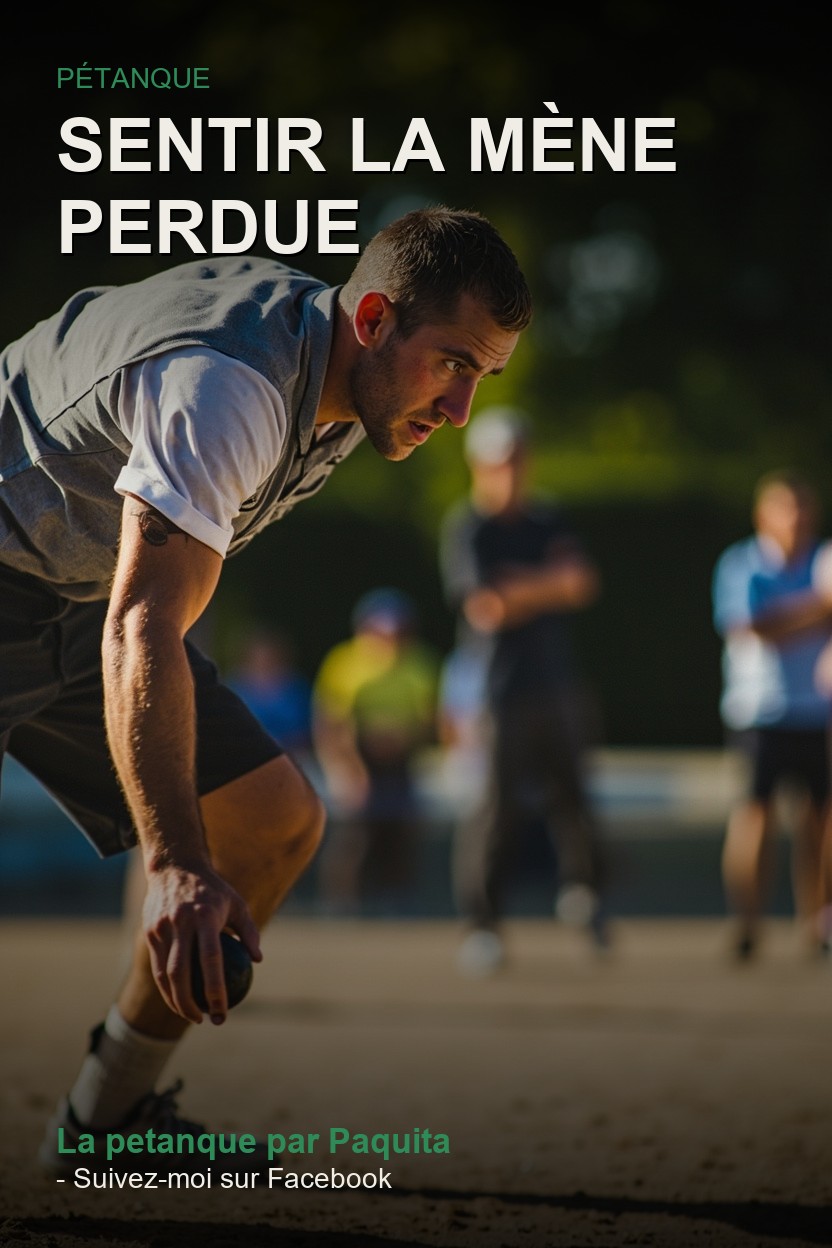
Why do some pétanque players sense a lost lead before anyone else?
Pourquoi certains joueurs sentent une mène perdue avant tout le monde : lecture des signaux faibles, score, placements et dynamique psycholo…
Read more →
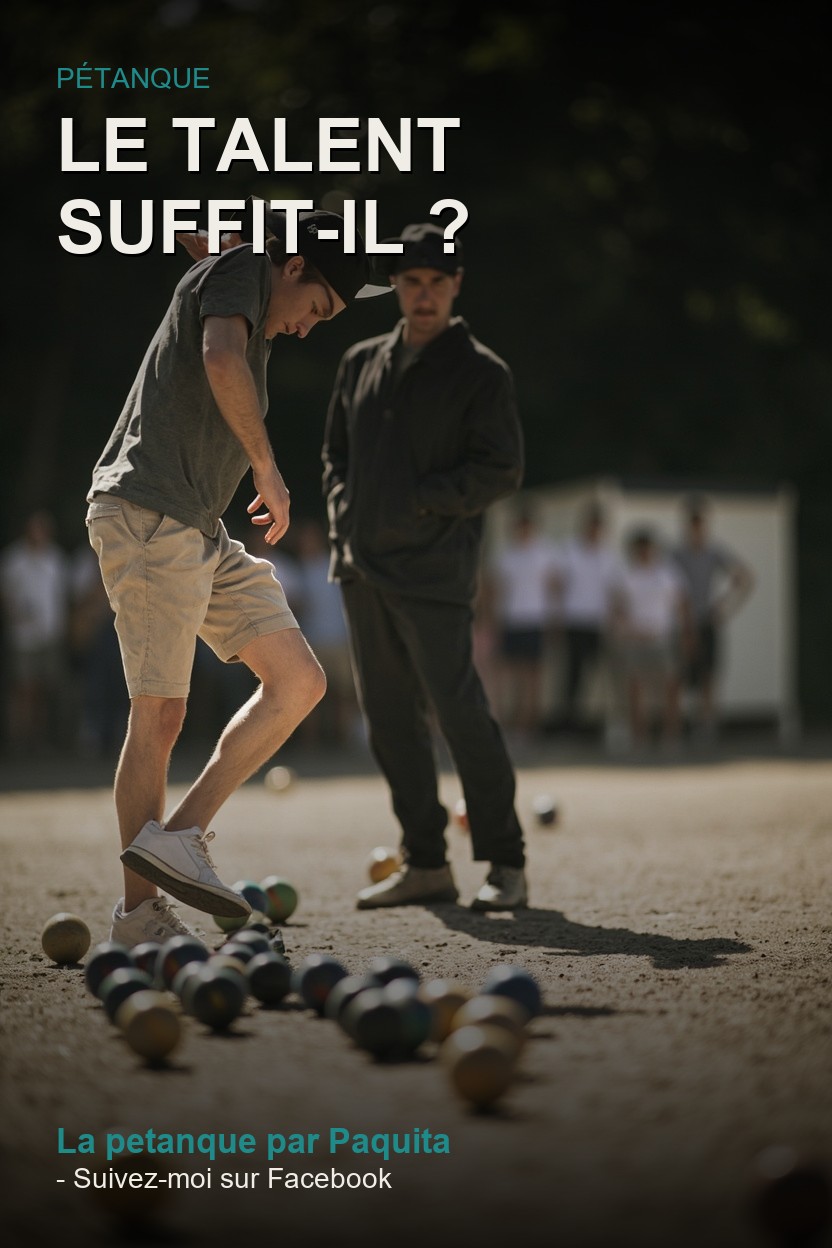
Is talent enough to win at pétanque?
Is talent enough to win at pétanque? Why reading, repeating and judging often matter more than
Read more →
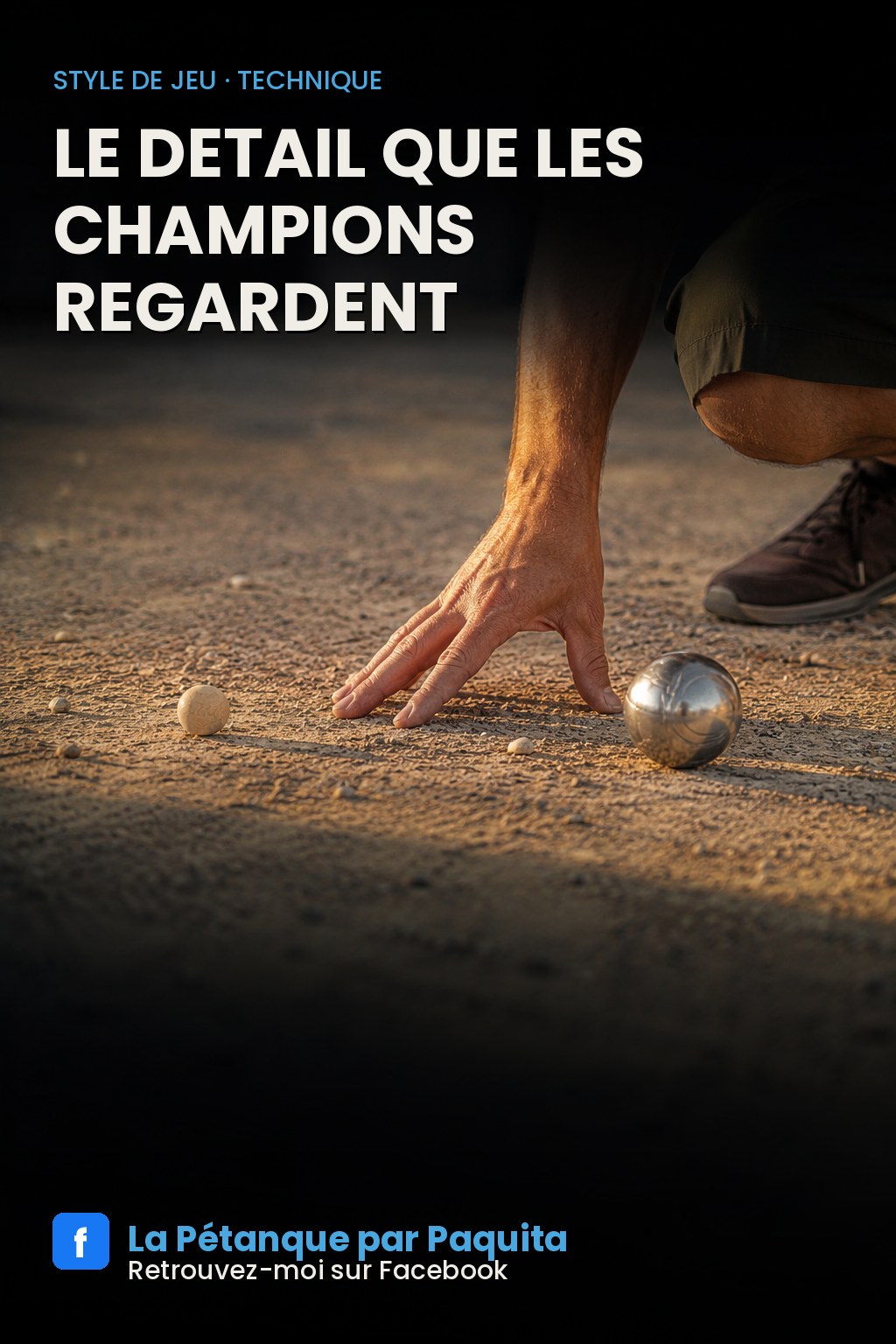
The detail that champions look at before each lead
Avant de jouer la première boule, les grands joueurs analysent un détail que la plupart ignorent : la zone entre la dernière boule jouée et …
Read more →
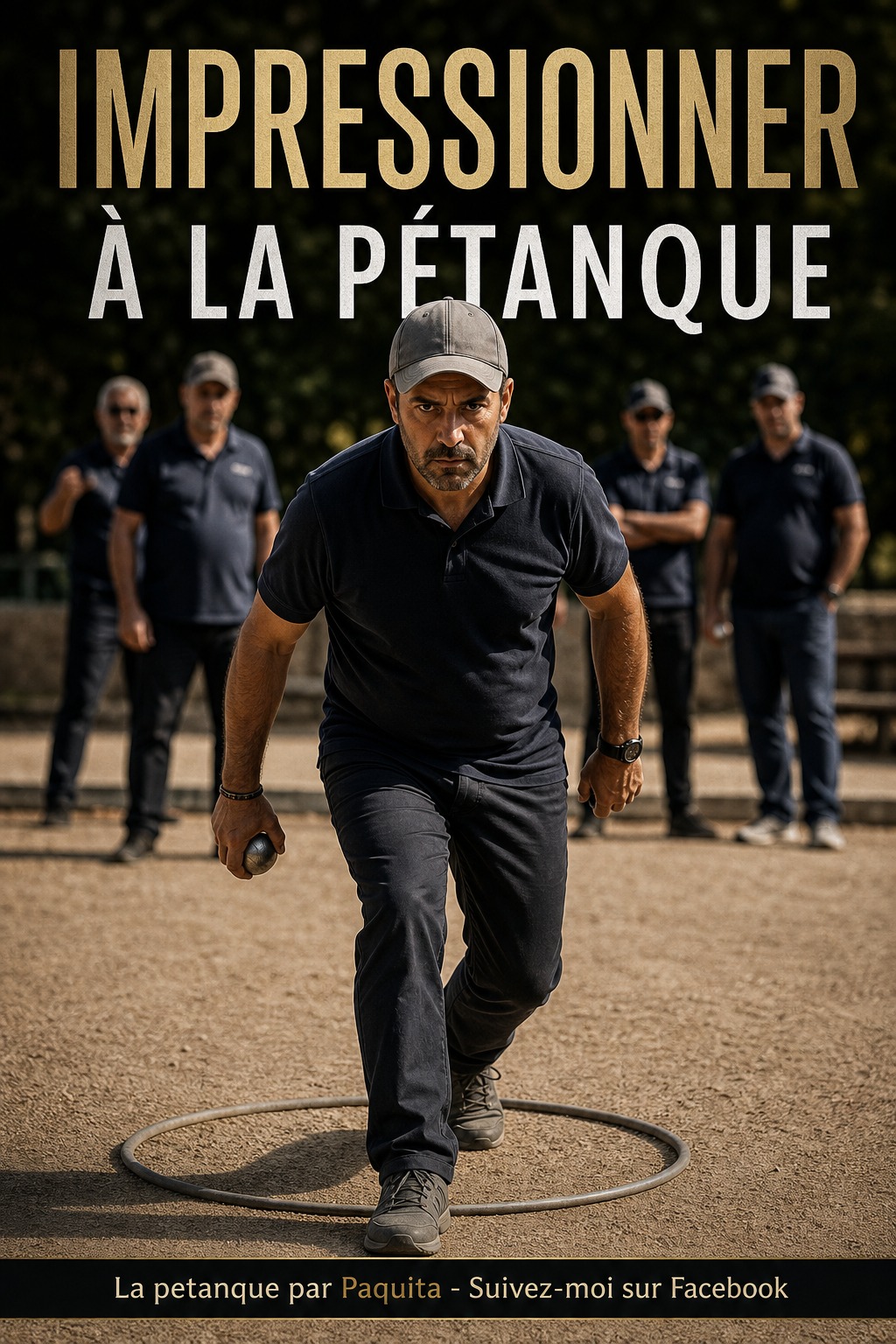
Why some players impress immediately in pétanque
Pourquoi certains joueurs impressionnent immédiatement à la pétanque : détails visibles, lecture du terrain et présence qui change tout dès …
Read more →
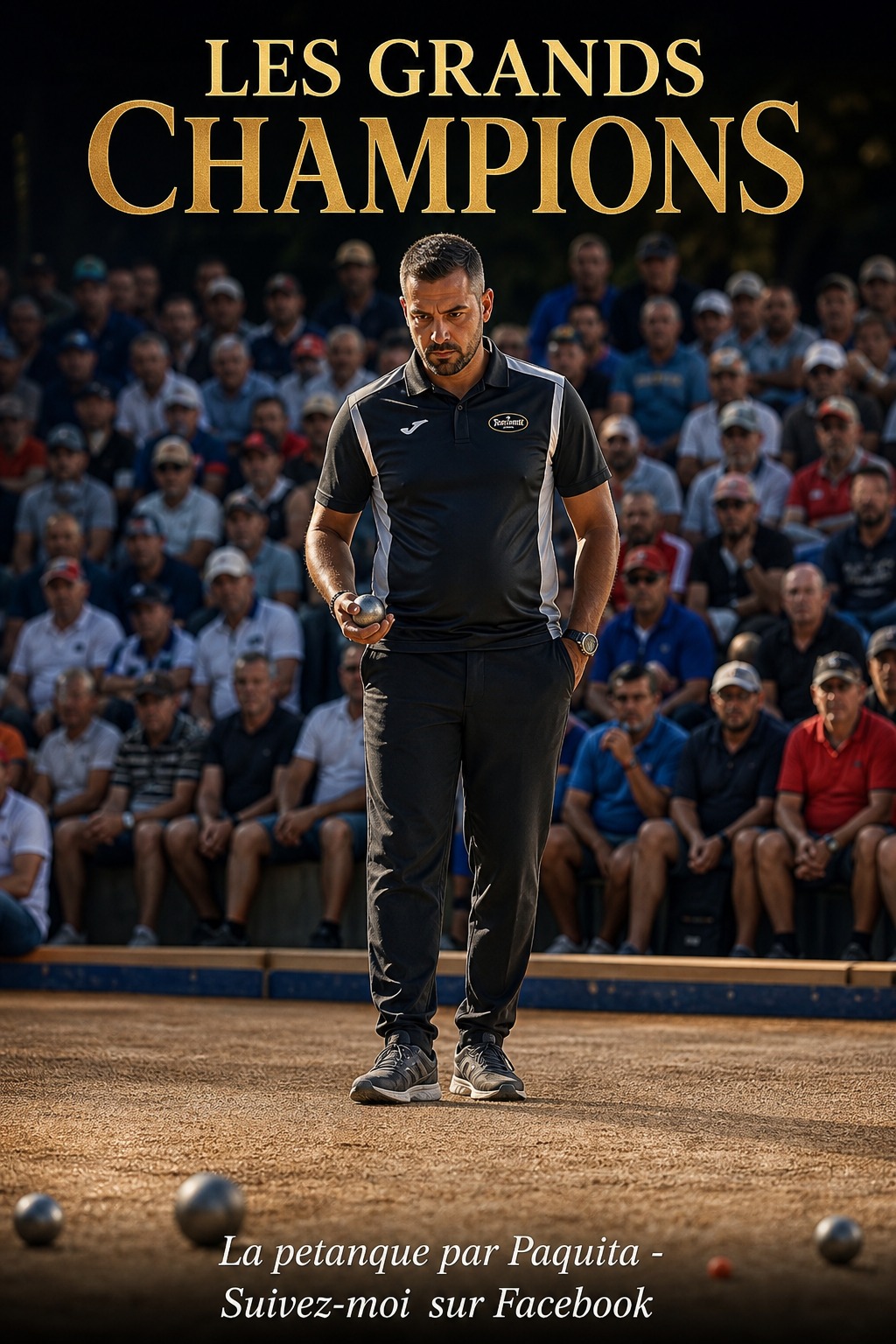
The qualities that make the greatest pétanque champions
Les qualités qui font les plus grands champions de pétanque : au-delà du bras, ce sont des combinaisons rares de lecture, de constance et de…
Read more →
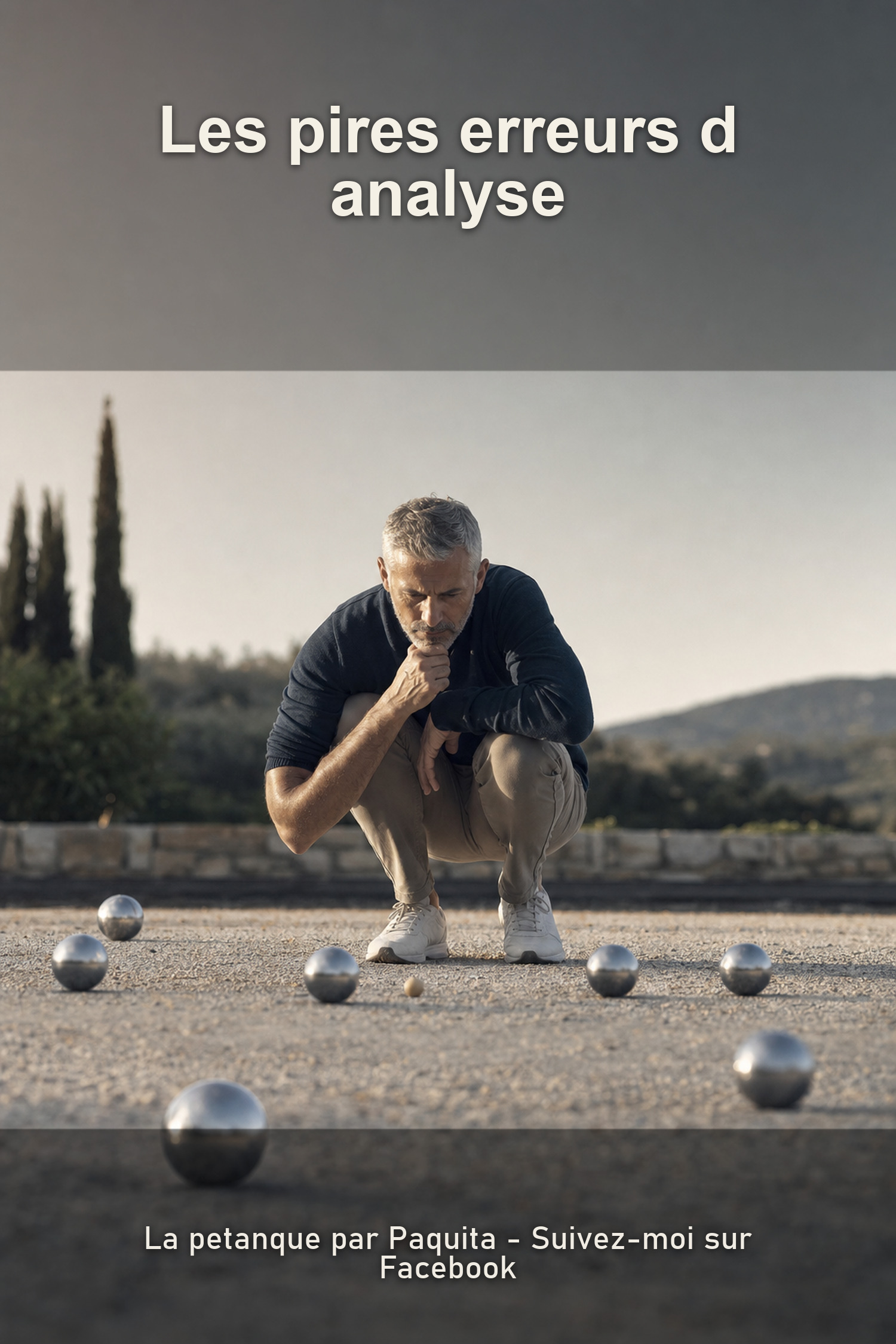
The biggest analysis mistakes in petanque
The biggest analysis mistakes in pétanque don't come from the technique, but from reading the score, the terrain, and the real threat.
Read more →
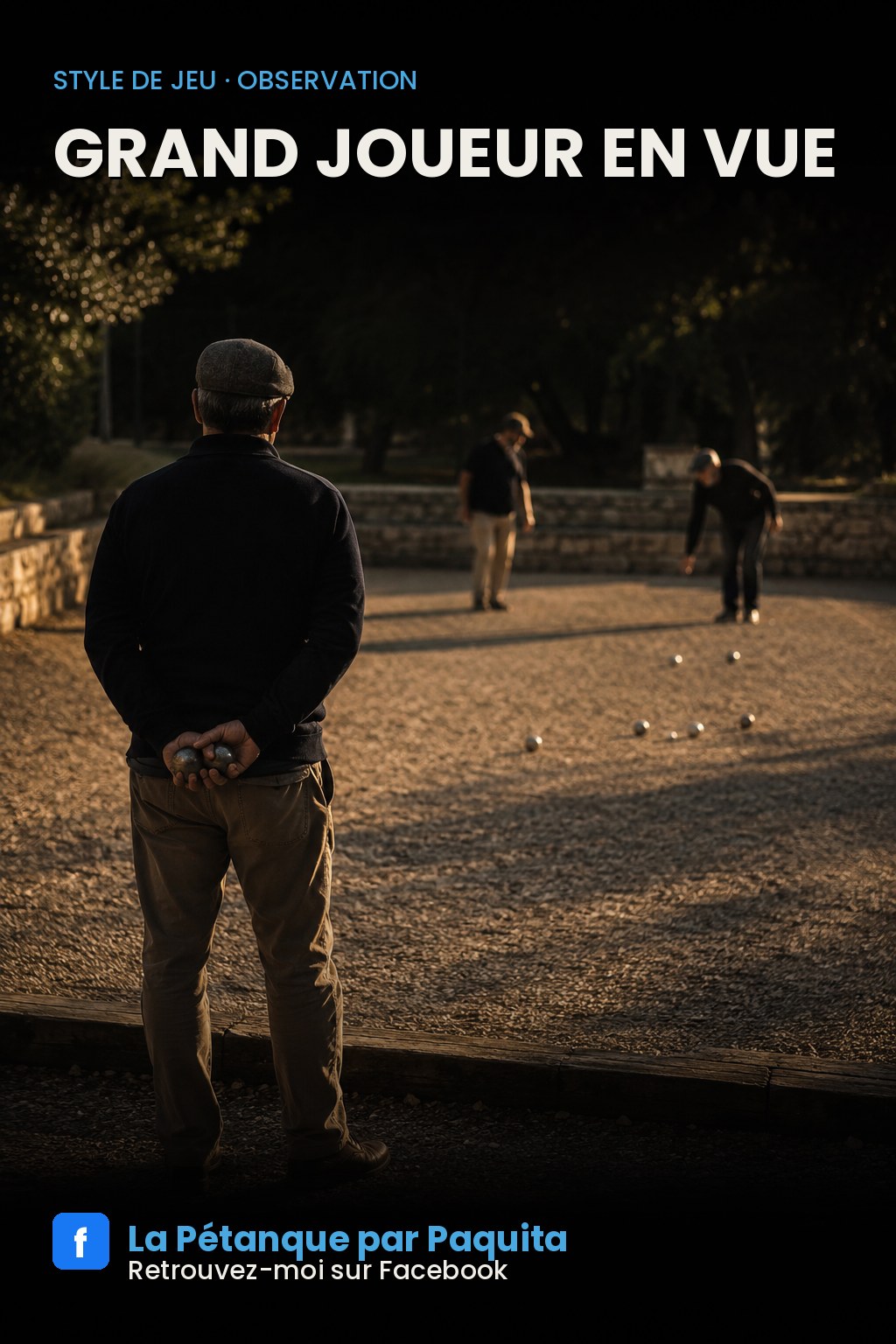
How to recognise a great pétanque player from the very first end
Even before scoring their first point, a great pétanque player gives themselves away through ten specific details: their routine, their gaze, their posture, and how they manage the circle. The…
Read more →
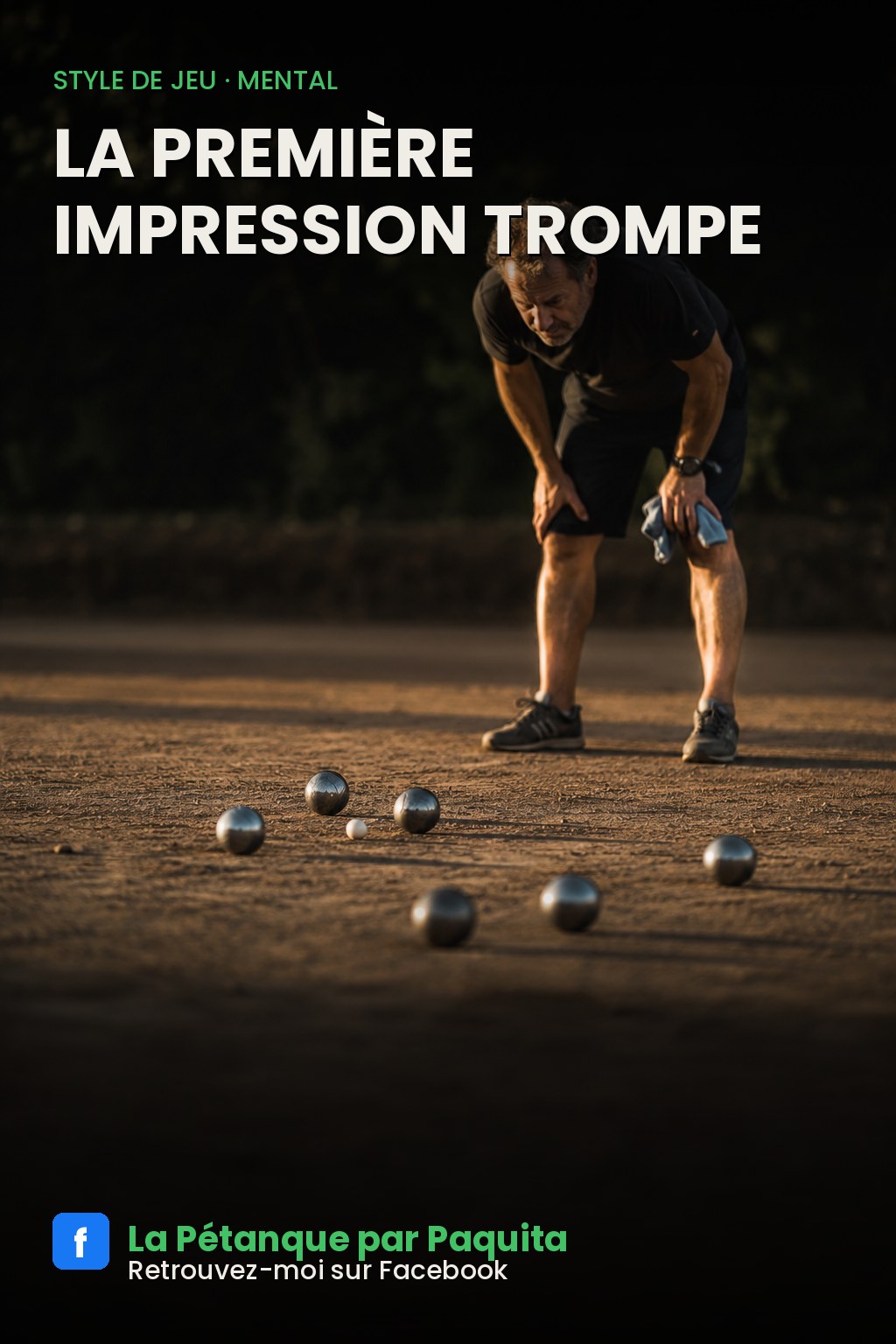
Why the first impression is often misleading in pétanque
À la pétanque, le premier coup d'œil ment souvent : terrain, boule qui « tient », adversaire, score. Voici pourquoi, et la méthode pour véri…
Read more →
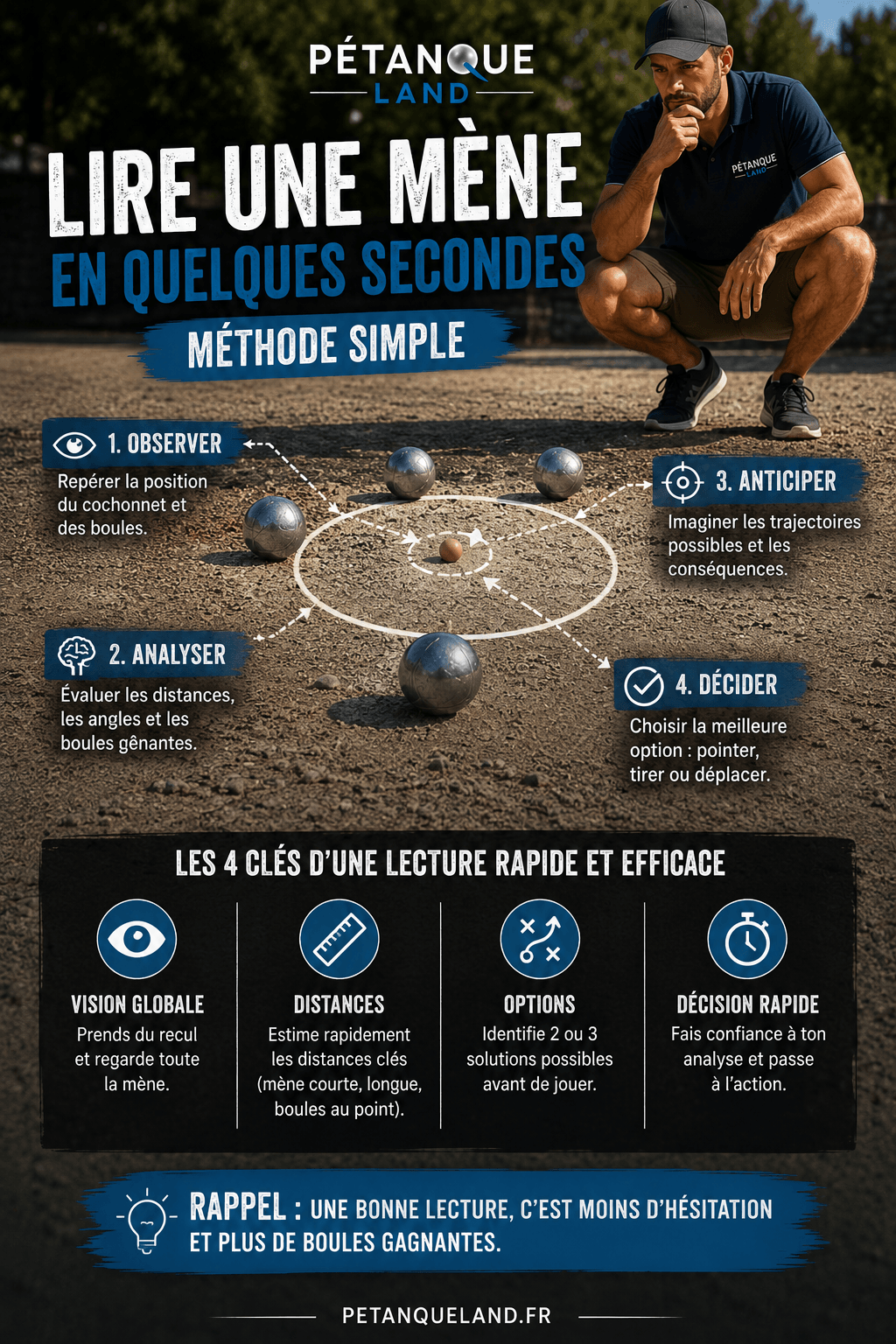
Reading an end in a few seconds: a simple method — Pétanque
Combien de points en jeu ? Qui est mène ? Quelle boule est la plus proche ? La plupart des joueurs perdent 15 secondes à tâtonner avant chaq…
Read more →
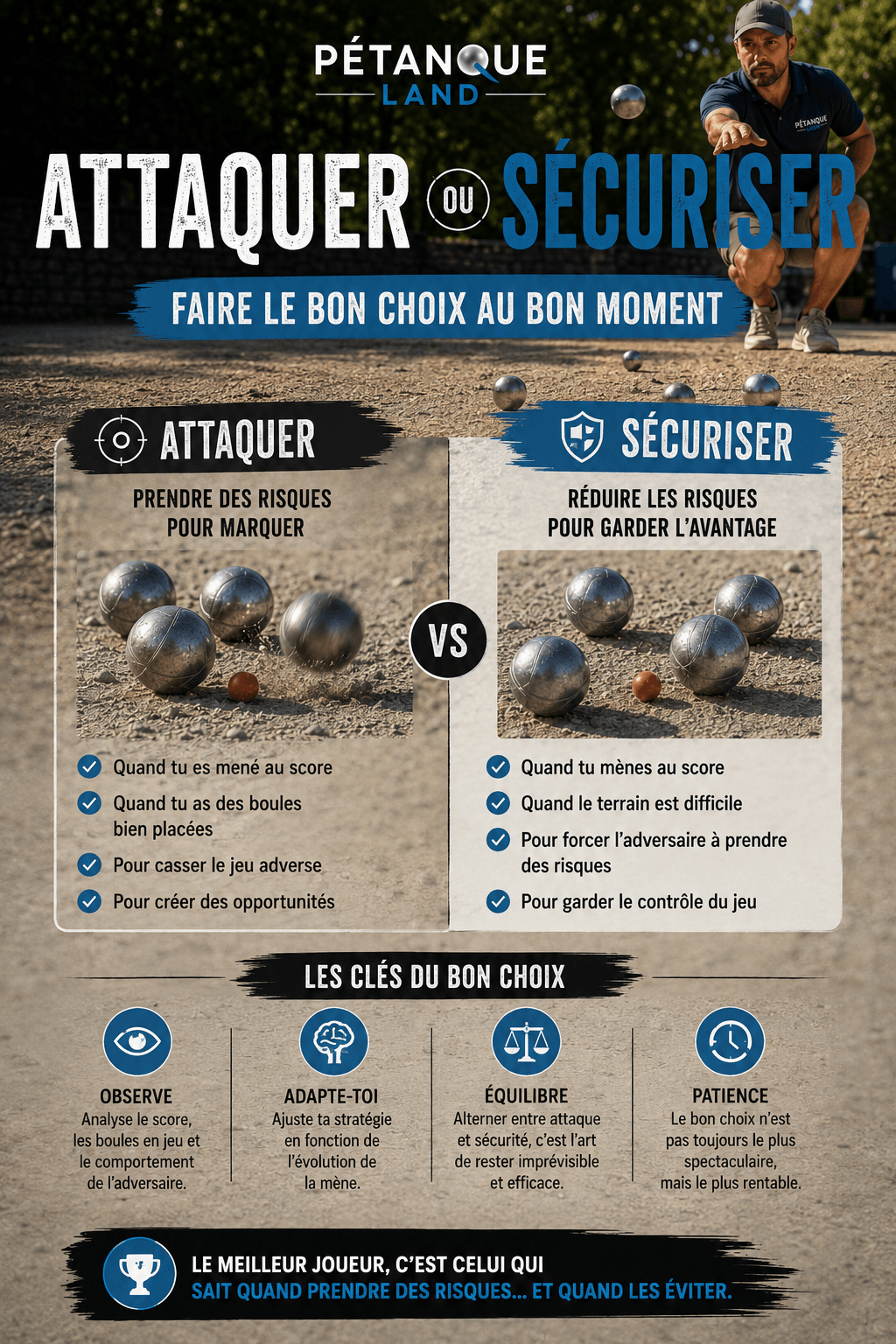
Attacking or holding in pétanque: making the right choice at the right time
Shoot or point? Attack or manage? It
Read more →
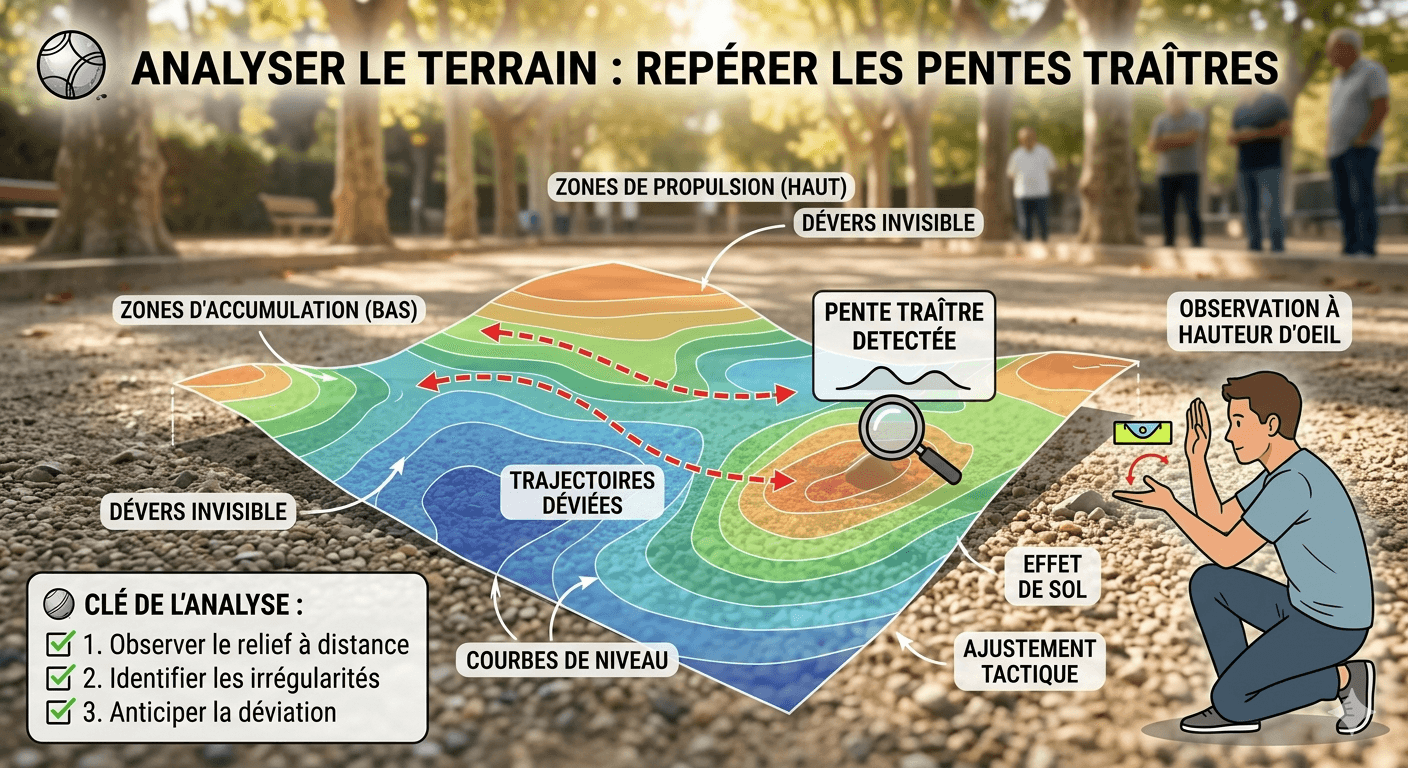
Analysing the terrain in pétanque: How to spot and tame treacherous slopes
A 2% slope is invisible to the
Read more →📬 Paquita's pétanque newsletter
New articles, videos, free tools and offers — straight to your inbox.