Règlement FFPJP · 26 July 2026
These rules about the end of the game at pétanque that few players know
End of game, 13 points, last end, abandonment, score and disputes: finish a petanque match without confusion.1.When is a game really over?
A game ends when a team reaches the required score after counting the lead. It is not the cry of joy that ends the game, but the valid score.
The regulations first serve to make the situation understandable for both teams. The faster a player clarifies, the less space the dispute takes up.
2.The winning point must remain measurable
Picking too quickly is the classic mistake. Even when the point seems obvious, prudence dictates waiting for opposing agreement or action.
3.What happens if the score is announced too quickly?
An announced score can be corrected if the situation is still verifiable. The faster the balls are collected, the more difficult the dispute becomes to deal with.
| Situation | Good reflex | Common error |
|---|---|---|
| Doubt | Check calmly | Accusing too quickly |
| Dispute | Call the umpire | Debating endlessly |
| End of lead | Validate before collection | Pick up too early |
4.The last ball: obligation or tactical choice
If the opponent still has a useful ball, the game may not be over. We let the process come to an end where we obtain a clear agreement.
When tension rises, slow down the decision and make the facts visible. A calm verification is better than a certainty announced too loudly.
5.Abandonment, forfeit and stopped game
An abandoned game is not worth a cleanly won game at 13 on the field. The organization or referee must record the situation according to the framework of the event.
6.The correct etiquette after the last point
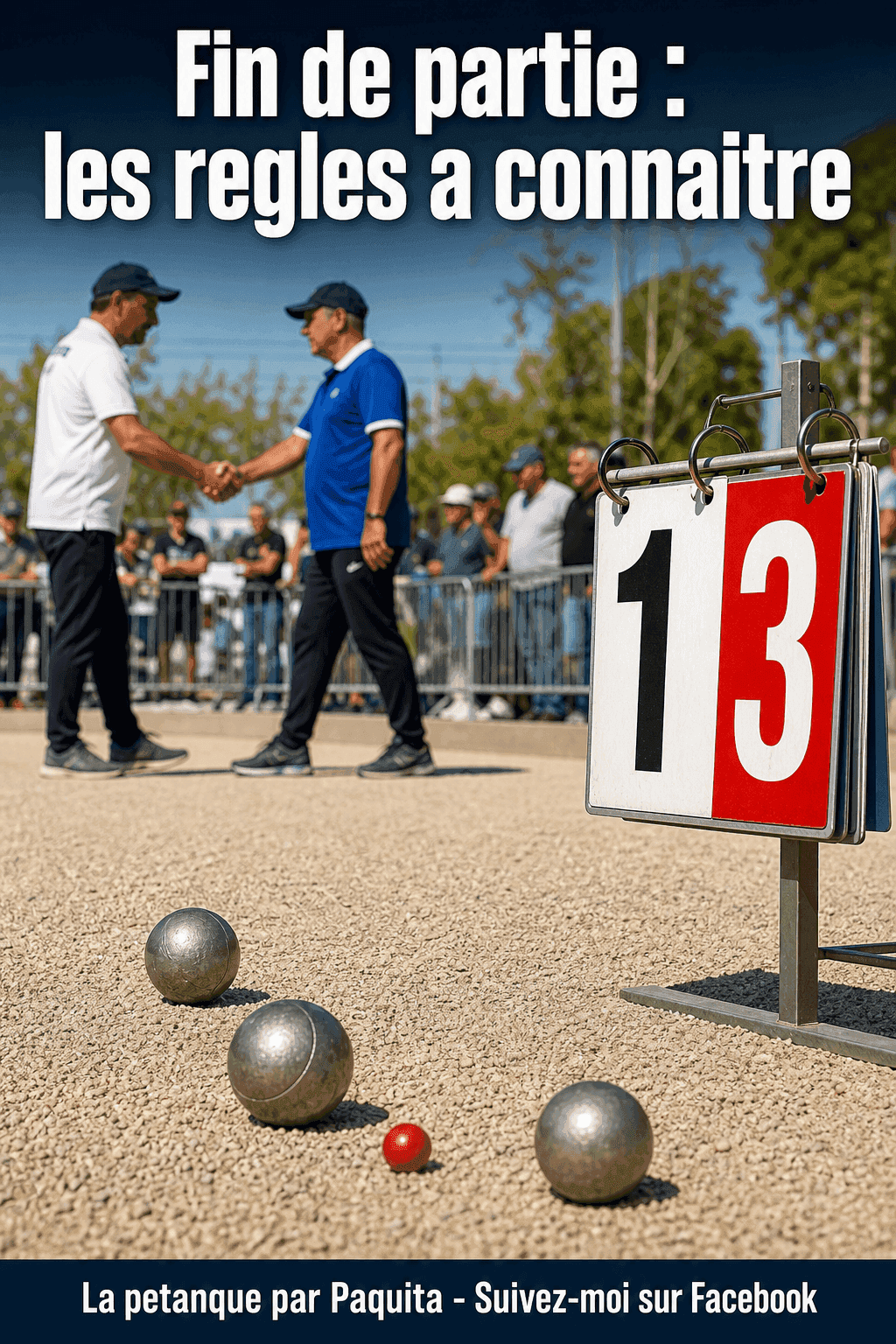
Do not pick up before validation, announce the exact score, respect the referee's decision and greet the opponent: these gestures properly close the match.
The end of the game is a mental moment as much as a regulatory one: learning to conclude changes a lot of scores.
Discover