Actualités · 22 August 2026
Pourquoi certains joueurs de pétanque paraissent chanceux toute leur vie
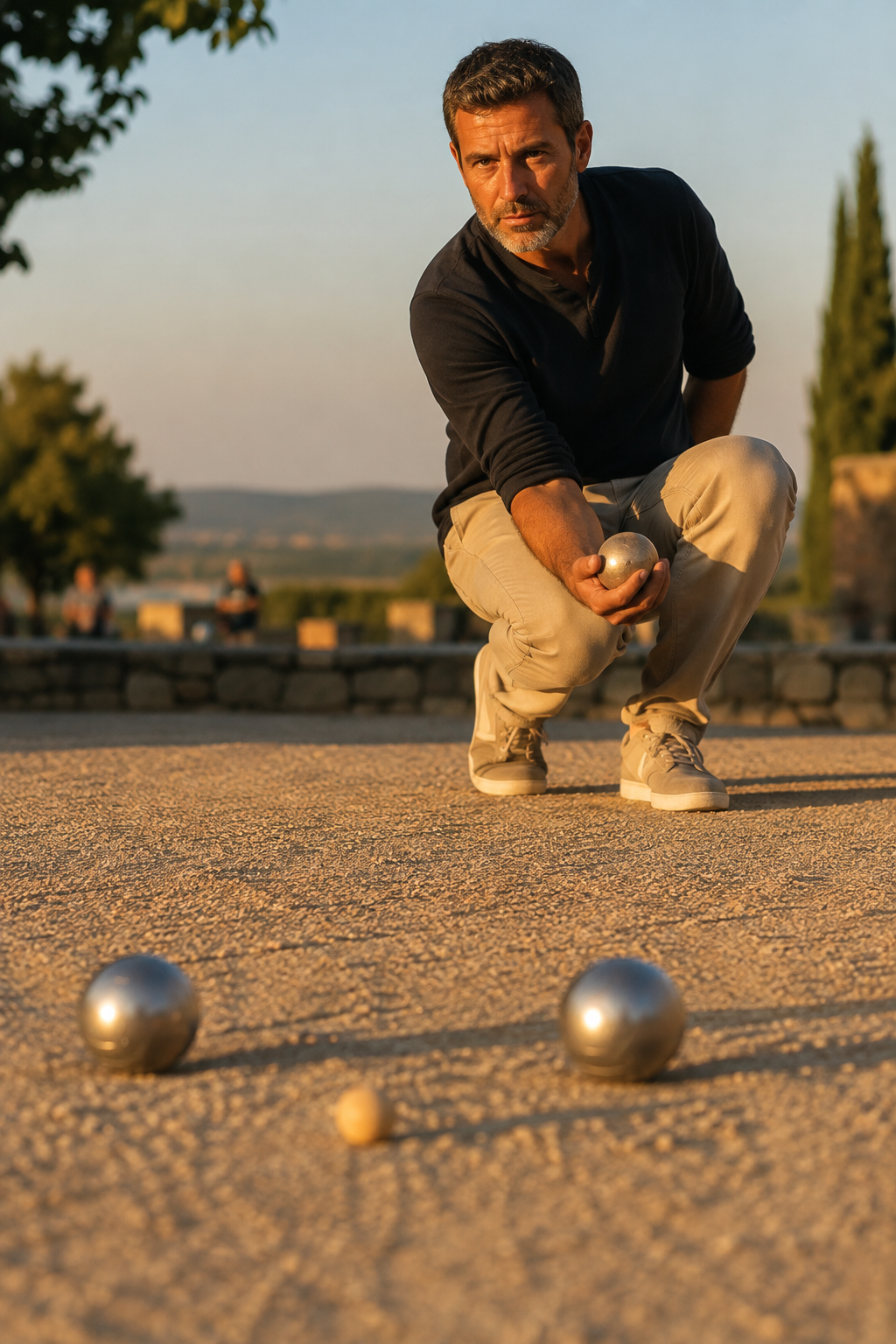
La chance à la pétanque n’est pas un pouvoir mystérieux. Lecture du terrain, zones de jeu et routine expliquent pourquoi certains joueurs paraissent toujours favorisés.Players who seem lucky do not control the rebound. Yet they more often place their boule in an area that leaves several favourable outcomes, read the ground better and recover quickly from a bad shot. This ‘luck’ is mainly an advantage they have built.
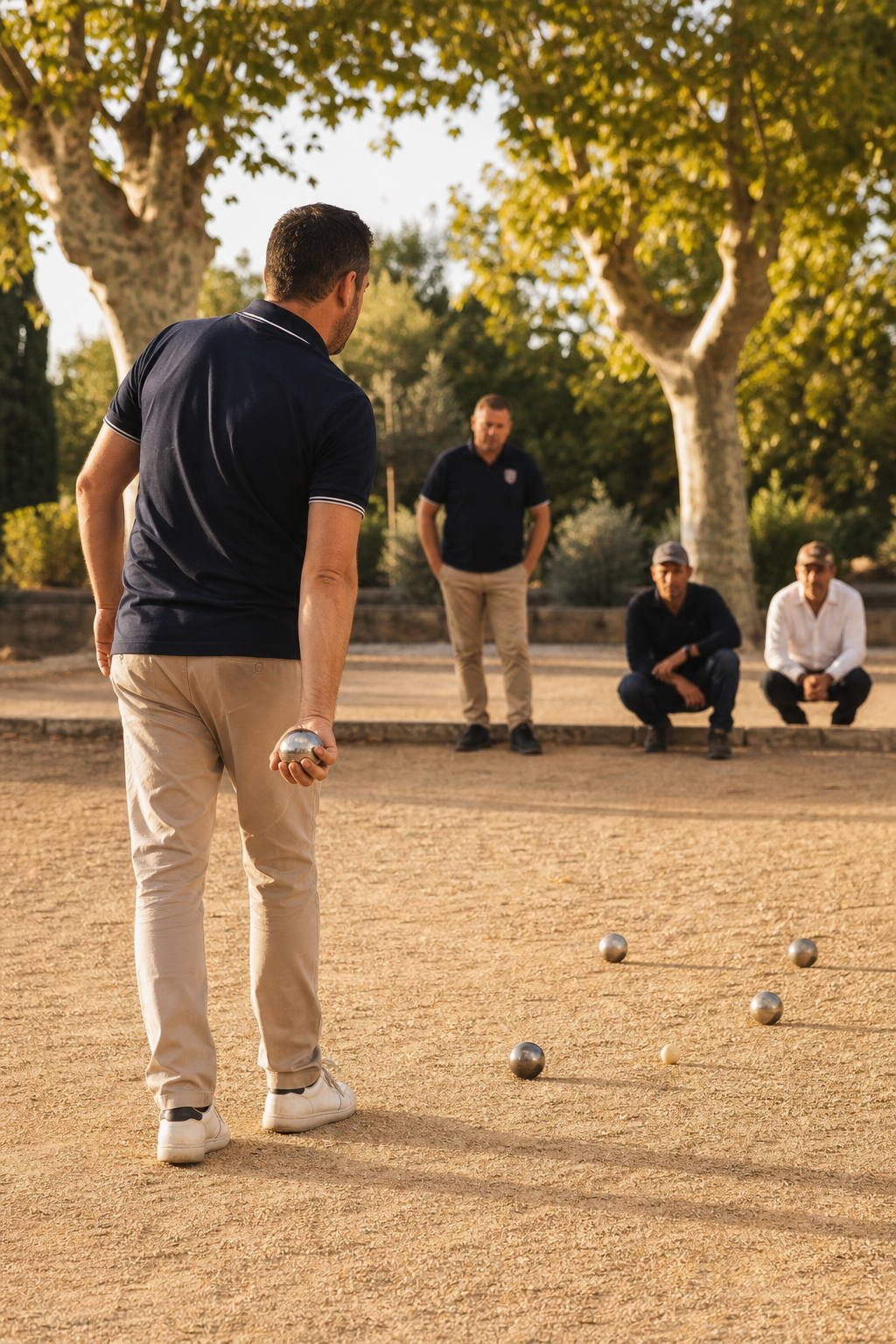
At the club, everyone knows that player: their boule always finds the right grain, their shot brushes the target at the right moment, and end finishes smile on them. Before speaking of a lucky star, look at what they do between two boules. That is often where their biggest share of success lies.
1.Why luck is more visible than work
We remember the jack moved by a miracle and forget the twenty correctly played boules before it. This is the outcome bias : the final rebound occupies the whole story, while the quality of a game is built on repeated intentions. A consistent player does not create every fortunate accident; they leave more room for them.
A boule pointed into a wide zone, at the right speed, can end good, in front or slightly aside without ruining the end. A boule thrown only ‘at the jack’ may have just one way to work. The impression of luck often comes from this difference in margin.
After a favourable rebound, do not just say ‘what luck’. Ask: which zone had been chosen, and which bad outcome was still acceptable?
2.The zone that multiplies good outcomes
A player who looks favoured rarely seeks the magic centimetre. They identify a playing zone : close enough to the jack to defend, far enough in front not to offer an easy target, wide enough for the ground still to help. This approach is learned in pétanque pointing.
| Intent | Chosen zone | What it makes possible |
|---|---|---|
| Protect the point | In front and slightly on the closed side | Block access and keep a defensive boule. |
| Reduce risk | Clean lane, placed length | Avoid the hole and keep a second option. |
| Prepare a shot | Clear opposing boule | Offer the partner a clear target. |
Apparent luck is therefore often a safety margin. The more your boule allows several reasonable endings, the less you depend on a single perfect rebound.
3.An end situation that explains everything
At 10–10, your opponent holds the point thirty centimetres from the jack. You have two boules left, the ground speeds up on the left, and the shooter has not yet played. The hurried player tries the difficult shot because they want to ‘create their luck’. The lucid player instead lays a boule in front, in a zone that closes the lane and keeps the shot for later.
If the boule slows slightly too much, it remains useful. If it goes on, it can take the point. If it opens a target, the shooter still has a solution. This decision promises nothing; it increases the number of playable endings. That is pétanque tactics that gives luck to the player who prepares it.
4.The classic mistake: copy the shot, not the reading
Seeing a champion make an unlikely shot can make you want to copy their movement. But the champion may have seen an exit, a grain, a protecting boule or a score that justified the risk. Copying only the arm means playing with half the information.
The classic mistake is therefore to call ‘luck’ what you have not observed. To escape this trap, note one piece of information after each boule: line, length or ground reaction. This discipline follows the principles described in the invisible mistake that slows progress.
Changing your movement after an unexpected good boule. Keep your original intention and observe what the ground added; do not turn a fortunate rebound into a technical instruction.
5.The routine of players who ‘get lucky’
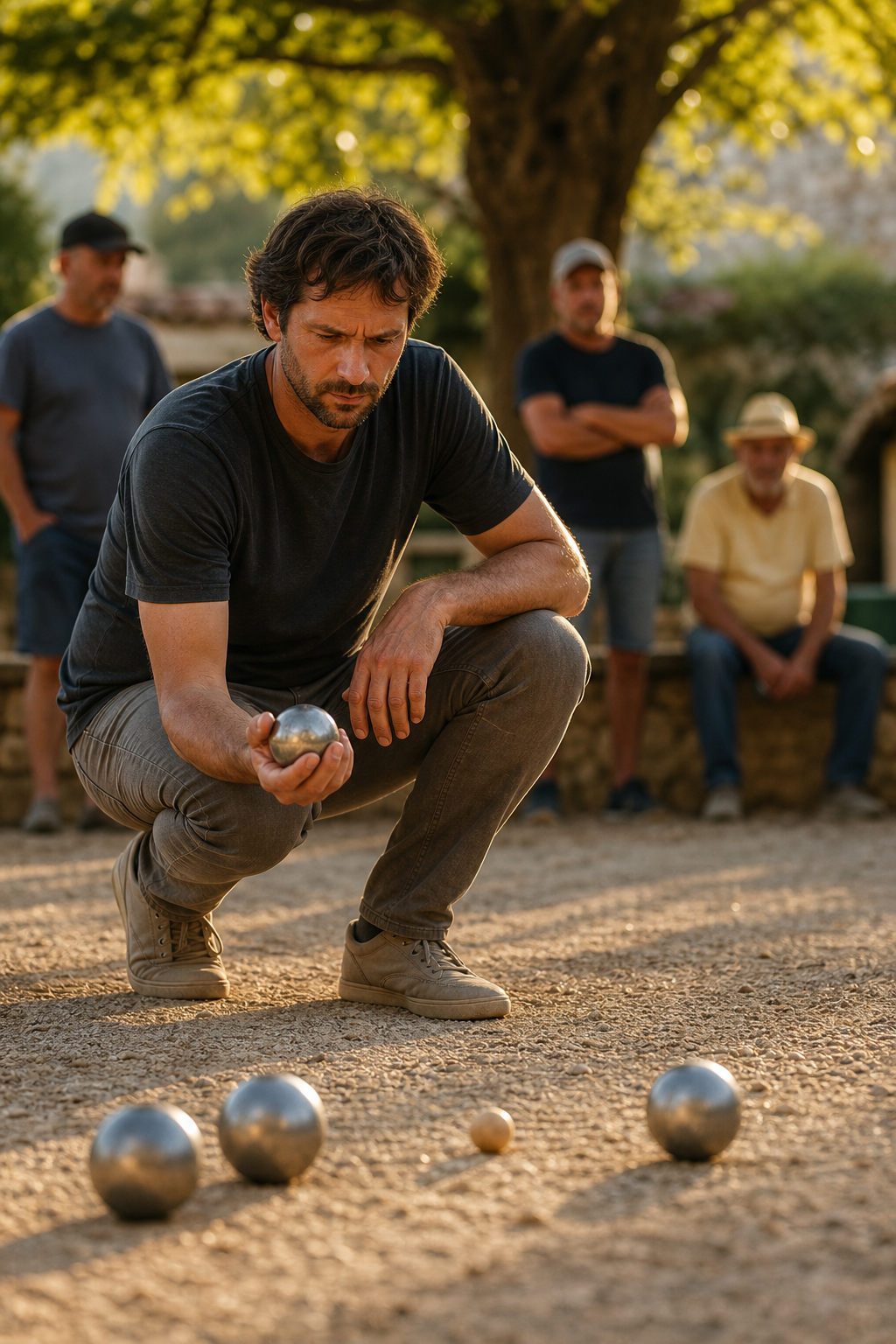
Before playing, they do three things. They look where the opposing boule came from. They name the target zone in a few words. They decide which bad result remains acceptable. This routine lasts under ten seconds and avoids throws without intention.
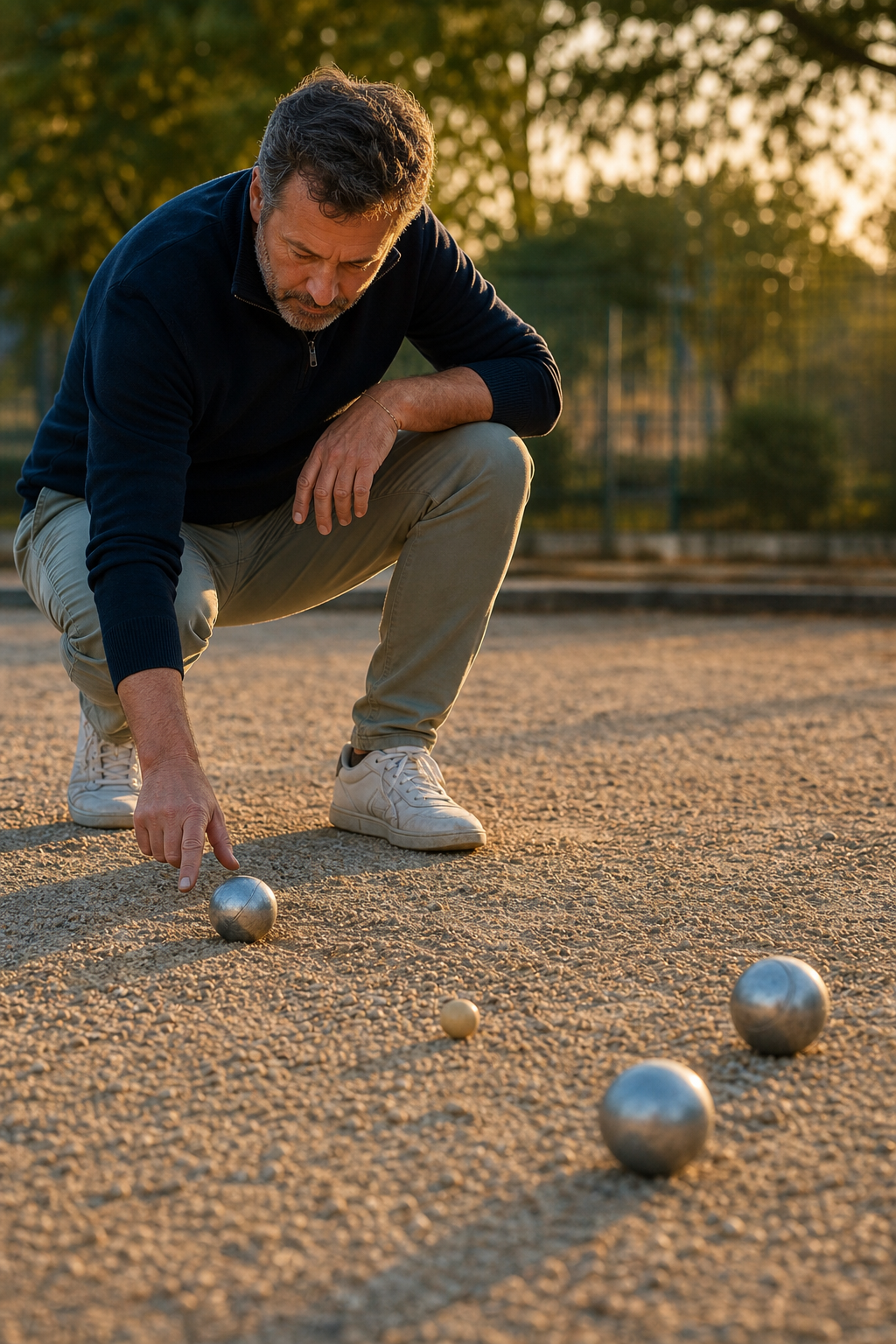
After the shot, they watch the boule until it stops. Even a failure gives information: too far right, too long, ground that carries, impact that breaks. It is this active memory that makes certain players look naturally favoured. To work on this attention, also read this concentration habit.
6.Luck becomes collective when the team talks well
In a triple, one player should not carry the role of the lucky one alone. The pointer shares their ground reading, the middle player keeps the count, the shooter names a target. When everyone gives useful information, the team creates more favourable situations and panics less when the rebound escapes.
One sentence is enough: ‘if it stays in front, it is good; if it goes out, we shoot’. This clarity explains why some teams seem to understand one another in advance. Find more reference points in our analysis of teams that read the game together.
Frequently asked questionsFrequently asked questions about luck in pétanque
Does luck really exist in pétanque?
Yes, a stone, rebound or deflection can change a boule. But across a whole game, reading, consistency and choices matter more.
Can you train your luck?
You mainly train the ability to choose zones that leave several useful outcomes, then to remember the ground.
Why do some rebounds always seem to benefit the same people?
They do not always benefit the same people. Consistent players simply put their boule more often in a zone where a small deviation remains playable.
Should you try the spectacular shot when behind?
Only if the target is clear and the score justifies the risk. Otherwise, build an option that keeps a second boule or a shot for your partner.
Which sentence should you remember before an important boule?
‘Which zone still gives me two good endings?’ It makes you play an intention rather than a miracle.
Your turn: during your next game, name before every important boule the bad outcome that remains acceptable. Then continue with our guide to improve methodically.