Histoire · 21 August 2026
Pourquoi certains champions de pétanque arrêtent au sommet
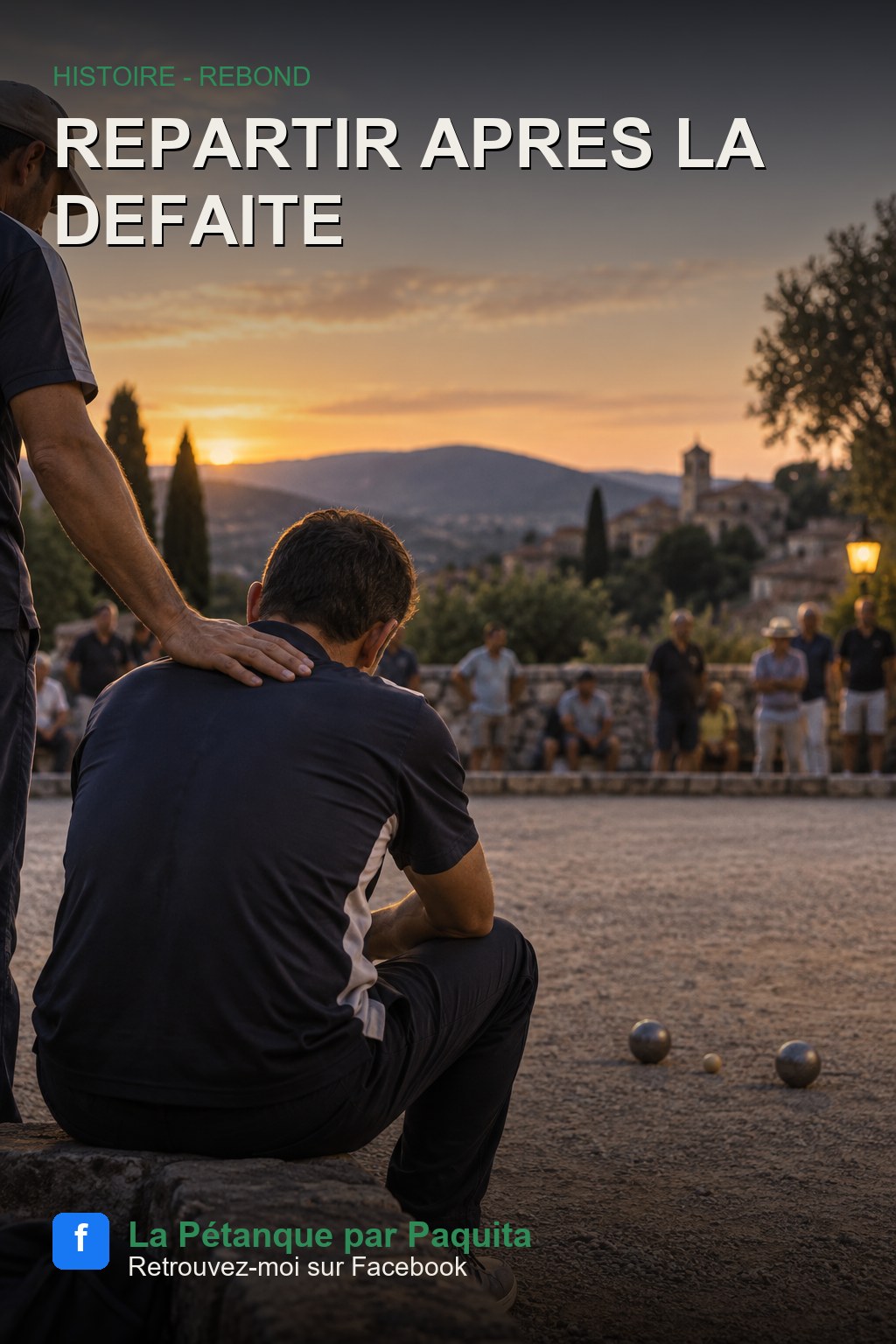
Pourquoi certains champions choisissent d’arrêter au sommet : plaisir, corps, équipe et transmission, sans confondre départ et renoncement.A champion does not always stop because they no longer love playing. They may choose to leave while their level, body and enjoyment are still aligned: it is often a controlled decision, not an escape.
1.Leaving at the top is not giving up
At a club, you quickly hear the same sentence: “With that level, what a waste to stop.” It forgets one essential point: results do not sum up a career. Continuing to win does not oblige anyone to carry on. Pétanque requires weekends, travel, mental availability and the wish to start a difficult end again when the day before was already long.
The top is therefore not only a podium. It is the moment when a player still feels accurate in their movement, useful to their team and proud of the way they prepare a game. Some prefer to preserve that image rather than play one season too many to prove they still exist. The choice may surprise supporters; it nevertheless deserves more respect than a silent departure after wear and tear.
Do not ask only “Why are they stopping?” Also ask what they want to keep alive in their relationship with the game.
2.The body speaks before results decline
Fatigue does not always arrive as sharp pain. It can appear as slower recovery, an avoided movement, concentration drifting in the fourth game or a shot prepared with apprehension. A top competitor can hide these warnings for a long time because they know their routines. But experience does not replace recovery.
On a hard surface, an experienced player can still save an end through their reading of play. Yet if every competition day costs three days afterwards, the equation changes. This is not about dramatising: it is about recognising that the body belongs to the sporting project. Reducing the schedule, changing role or stopping are three possible answers, all more lucid than forcing yourself through pride.
3.The team must not become a debt
The dilemma is more delicate when a partner relies on you. A settled triplette shares automatisms, travel and sometimes a collective ambition. Yet staying out of guilt also weakens the team. A player who no longer truly wants to enter competitions hesitates when it is time to commit, broods over a missed boule and eventually passes that discomfort on to teammates.
| Situation | Honest response | What it protects |
|---|---|---|
| Desire falls but the body is fine | Lighten the schedule and review the situation | The pleasure of playing |
| Recovery becomes difficult | Plan a break or a new role | Health and the team relationship |
| The project no longer fits the player | Announce a clear end date | Everyone’s trust |
Promise a season “to help out”, then disappear from training. A clear word is better than uncertain availability.
4.The best exit can open another place
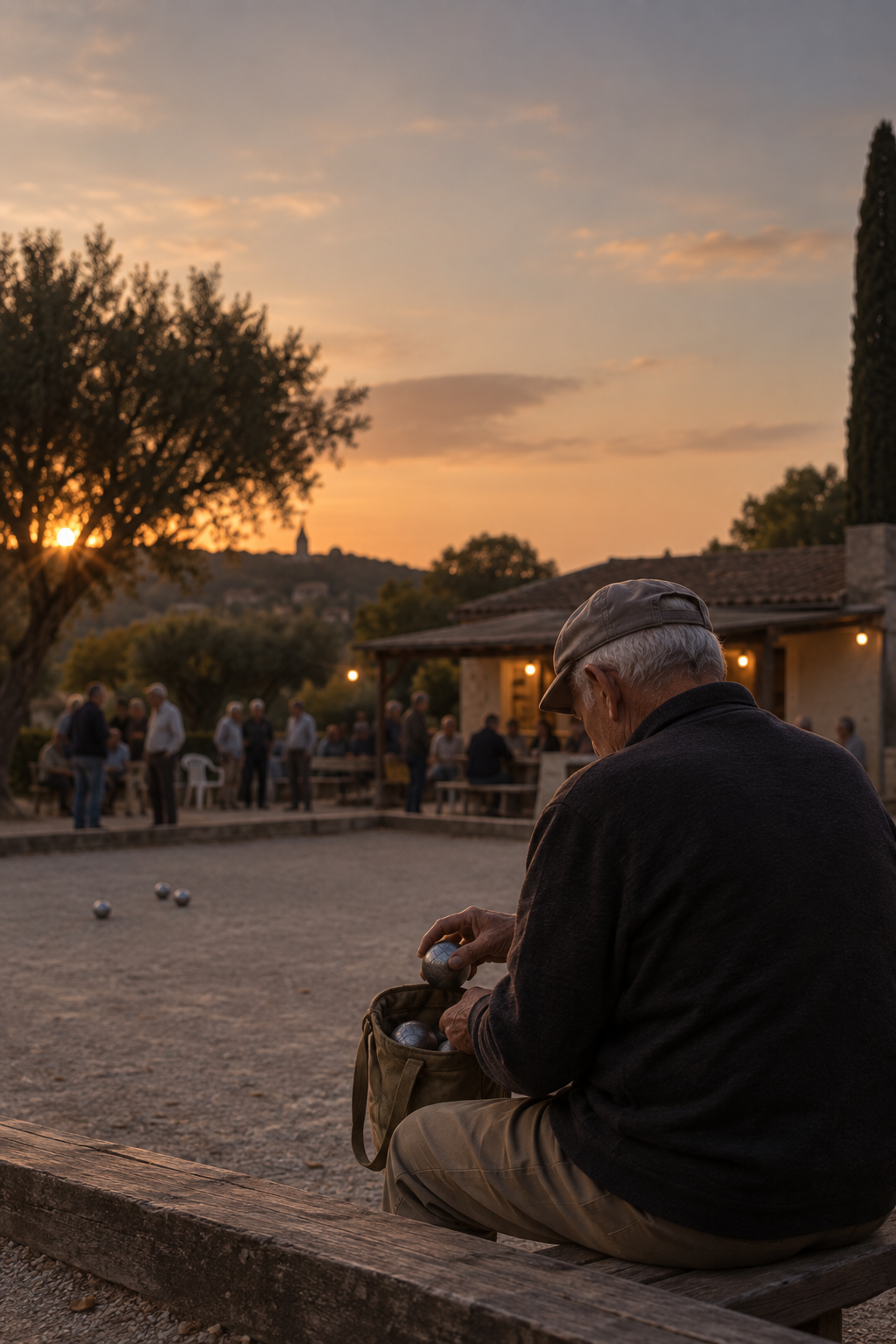
Leaving competition does not mean leaving pétanque. Many players become valuable partners in another way: they support a young doublette, prepare a court, help read an end or take time to explain what lies behind a score. Passing knowledge on is not being put on the bench ; it is changing the field on which you have influence.
A simple situation shows this well. After a lost final, a former shooter can explain to a junior why they would not have chosen the shot: not to impose their expertise, but to reveal the boules remaining, the slope and the score. That conversation can be worth more than advice thrown between two boules. To develop this way of seeing, the Improve at pétanque path offers useful reference points.
5.The question to ask before putting the boules away
Paquita suggests a simple test: if no one were expecting you at the next competition, would you still want to go? A hesitant answer is not a sentence. It is a signal to hear. It invites you to separate personal desire from habit, other people’s gaze and the adrenaline of major events.
The right departure is rarely spectacular. It is prepared, explained to the team and leaves a door open to a chosen form of play. For players who want to continue without burning out, the Pétanque tactics page reminds us that a game is also won by managing resources. And if your story deserves to be told, the Pétanque culture section welcomes what makes up the memory of the game.
Frequently asked questionsQuestions people ask
Should a champion publicly announce their retirement?
No. However, clearly informing teammates and the club avoids leaving a sporting project unclear.
Does stopping competition mean never playing again?
Not at all. Many keep friendly games, training, coaching or refereeing.
Should you wait for a bad season before leaving?
No. Waiting for complete wear and tear can make the decision more bitter. A chosen departure has more meaning.
How should you tell your team?
As early as possible, by saying what you can still take on and what you no longer want to promise.
Which Paquita advice should I remember?
Protecting enjoyment is a performance. A successful career is also measured by the way you remain attached to the game.