Actualités · 22 August 2026
Les plus incroyables coïncidences de l'histoire de la pétanque
Les coïncidences les plus marquantes à la pétanque racontent souvent le terrain, le choix de jeu et la mémoire du club. Voici comment les savourer sans leur prêter trop de pouvoir.In pétanque, the most striking coincidences are not always miracles. They often grow out of the same ground, a familiar scenario, a decision made under pressure and our memory, which keeps improbable endings. The right reflex is to enjoy the story, then look at what it truly reveals about the game.
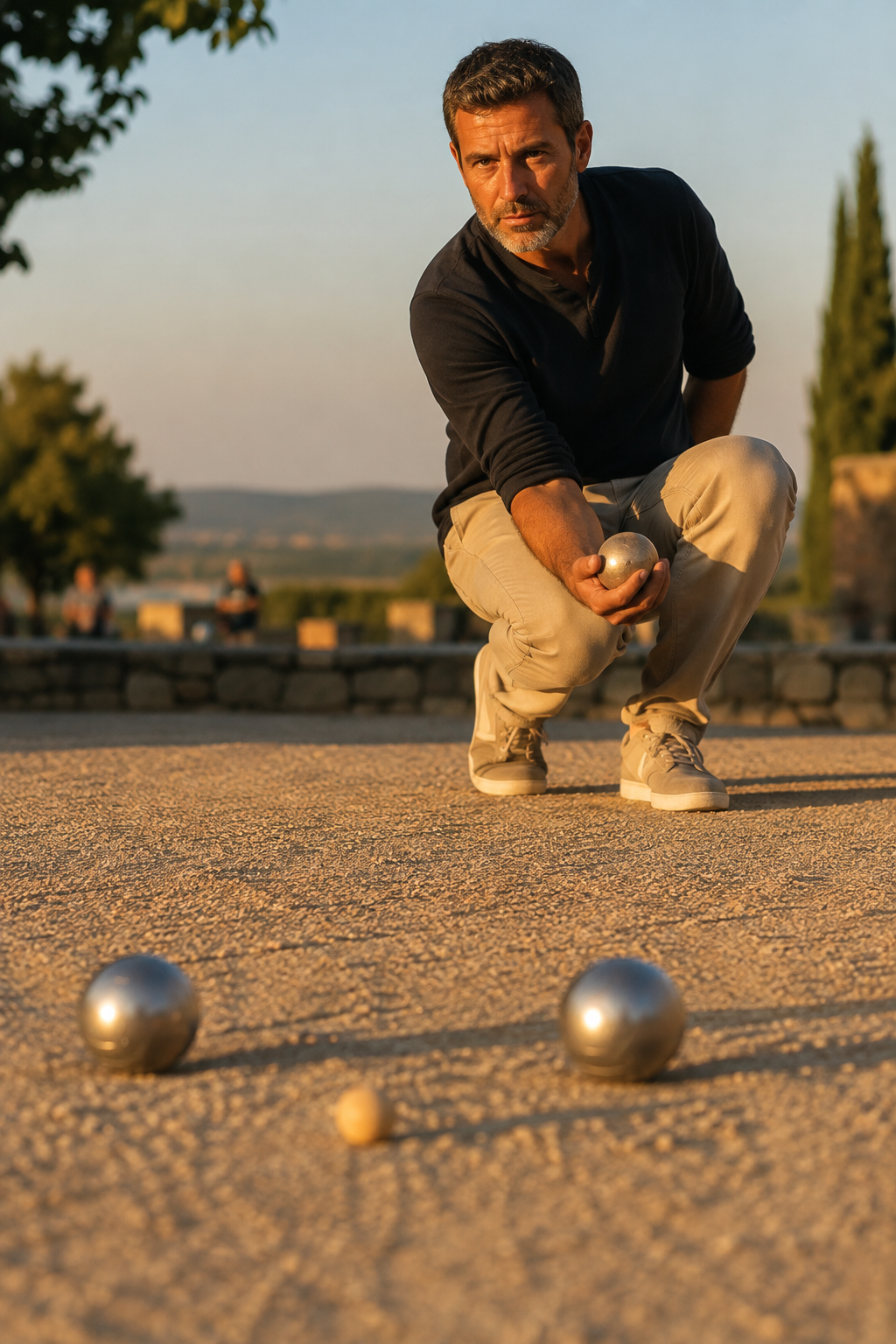
A jack stopping exactly on a mark, two boules ending at the same distance, a rematch decided in the final end: every club has its own album of stories. These moments are part of pétanque’s charm. They speak of emotion, loyalty to a ground and sometimes the quiet work that comes before the ‘lucky shot’.
1.Why coincidences affect us so strongly
Pétanque brings many elements together in a small space: the jack, the boules, the relief, the wind, the players’ order and the score. When two of these elements echo each other, our brain immediately sees a sign. That is human: a game is easier to tell when it has an echo, a rematch or a striking image.
Yet a striking story is not necessarily a rule of the game. On a busy ground, thousands of boules are played. It is therefore normal for a few measurements to be identical or for two teams to reproduce a familiar scenario. The useful reading is twofold: appreciate the coincidence without giving it the power to explain the whole end.
When an ‘incredible thing’ happens, first write down the facts: score, jack position, choice of shot and state of the ground. The emotion remains, but your memory becomes useful for improvement.
2.The rematch that returns in the final end
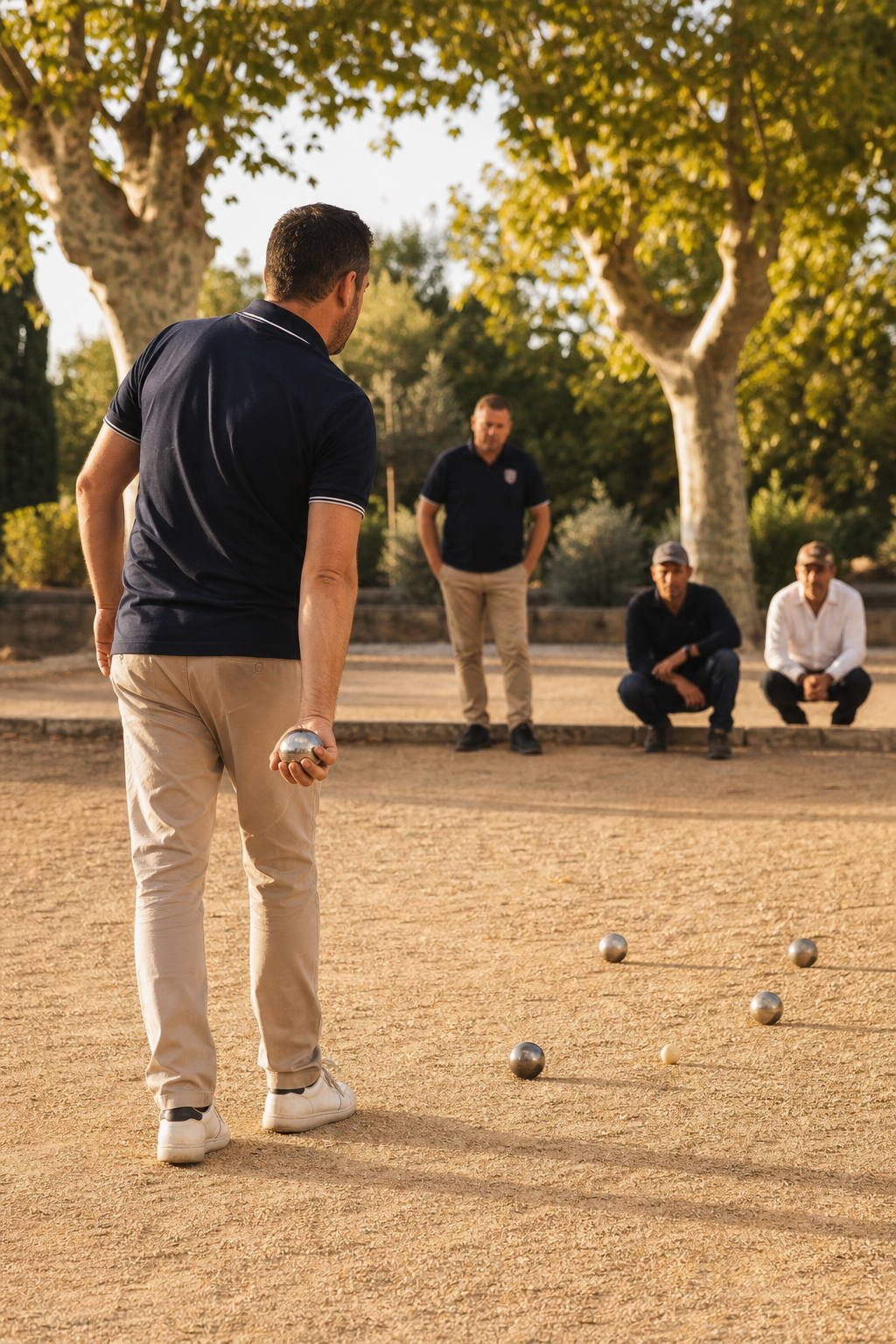
Here is a classic competition scene. Two teams meet again a year after a 13–12 semi-final defeat. Same club, same lane, same low sun. At 12 all, the jack is sent deep and the opposing shooter narrowly misses their last boule. Everyone then speaks of fate.
In reality, the situation often has a more concrete explanation. Both teams know each other’s habits. They know that the back of the ground hardens late in the day and that a direct shot becomes more demanding. The winning team has not ‘replayed the past’: it chose its option better in a familiar context. This difference between story and decision is valuable for anyone wanting to improving at pétanque.
3.Equal distances: a superb image that calls for caution
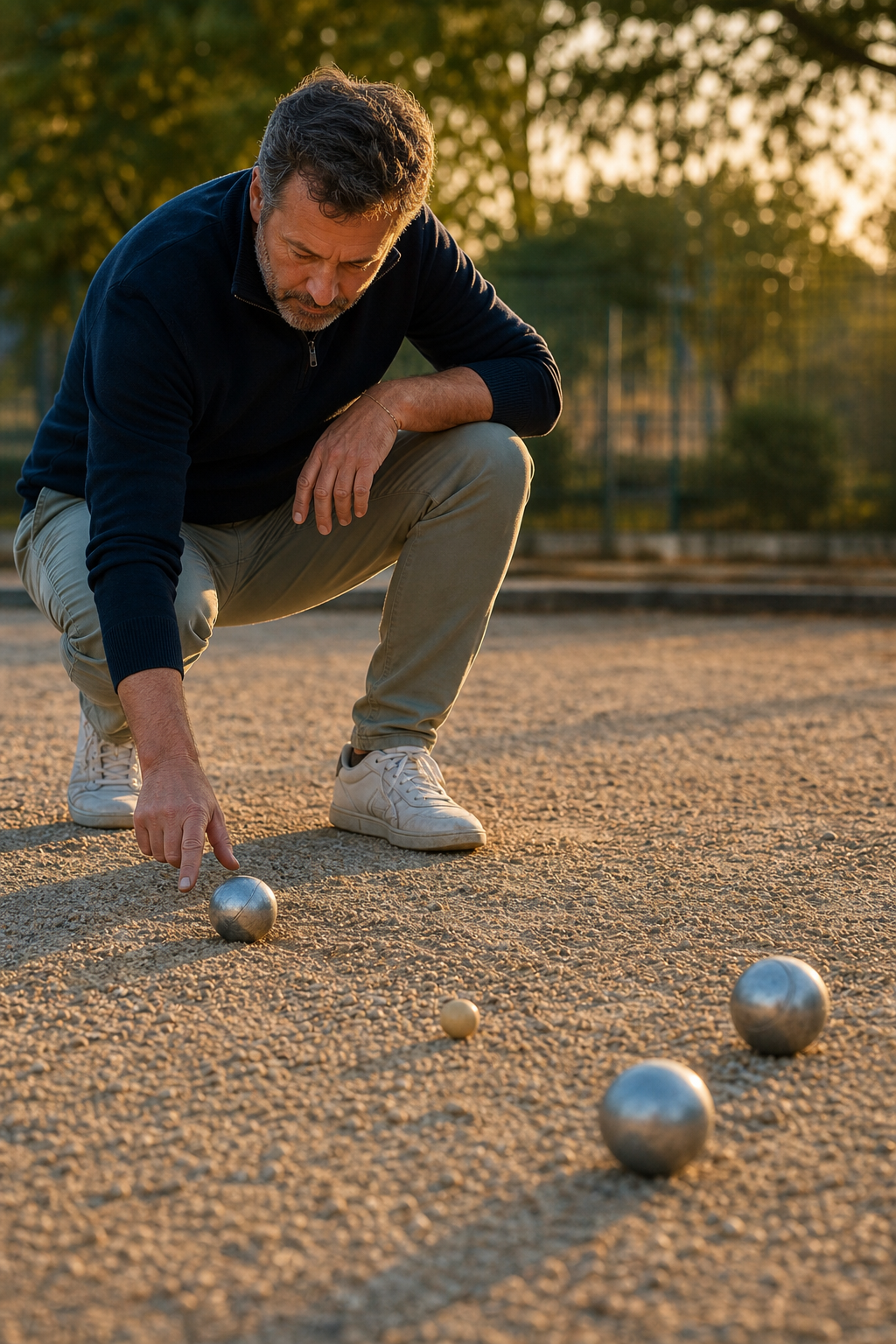
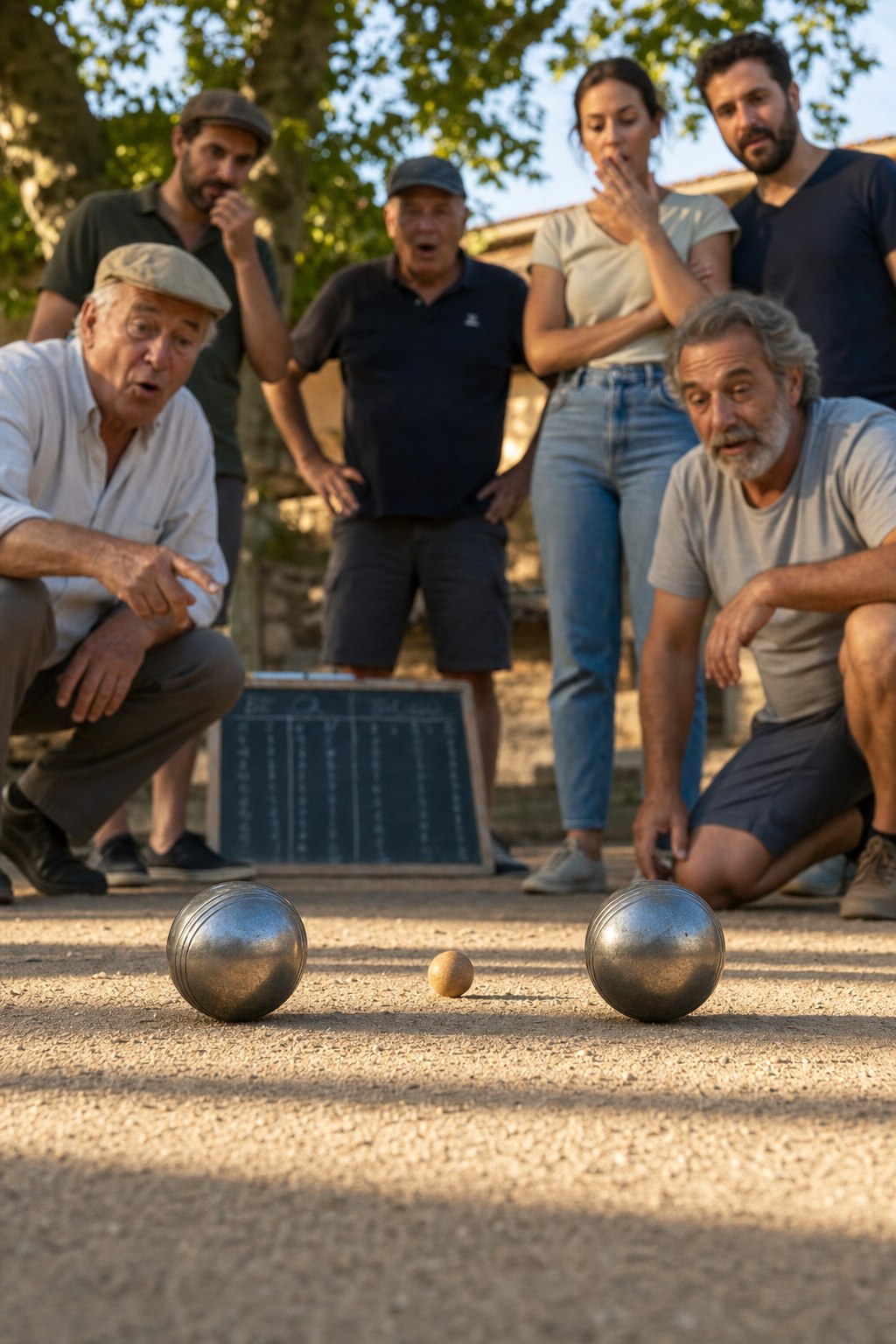
Two boules measured within a few millimetres always make spectators rise. They show the delicacy of pointing and the patience of a player who has placed their boule in the right area. Yet the result can hide two very different actions: one boule arrived with perfect carry, the other was saved by a stone or a slope.
On difficult ground, do not judge only the final distance. Observe the trajectory, the impact zone and the ground’s reaction. That is the principle of controlled pointing : repeat an intention rather than collect fortunate rebounds. The basics of movement and ground reading are explained in our guide to pétanque pointing.
When the ground creates similar scenarios.
A ground is never neutral. A hard strip, a hollow or a dusty patch directs the throws. By playing in the same place often, regulars use the same landmarks. It is therefore not surprising for a boule to return near an old mark or for a jack to end in a recurring area.
The coincidence then becomes information. Identify the places that slow, those that speed up and the lanes where the boule holds. In an important end, this memory of the ground is worth more than a vague intuition. It also explains why some players seem comfortable in rough conditions: they learned to adjust their game, not to challenge chance.
4.Memory traps that turn a shot into a legend
We remember spectacular shots and forget dozens of ordinary boules. That is the memory bias : a player who makes two decisive carreaux suddenly appears ‘always lucky’, even though their overall success rate remains normal. Likewise, a coincidence told after a competition becomes prettier very quickly.
The classic mistake is to believe that a lucky action must be repeated exactly. A boule brushed an obstacle and finished close? Fine, but do not aim for the obstacle on the next shot. Look instead for the action you control: a softer release, a point in front, a clearer shooting target. To move beyond habits that hold you back, also read these habits that sabotage your progress.
Confusing an improbable outcome with a good decision. In the next competition, choose your shot from the current layout, never from yesterday’s legend.
5.A simple method for turning an anecdote into progress
After a game, take three minutes together. Pick just one surprising moment and answer four questions:
| Question | What it helps you see |
|---|---|
| What did the score say? | The level of pressure and the real value of the risk. |
| Which zone was targeted? | The difference between intention and outcome. |
| What was the ground doing? | The role of relief, grain and speed. |
| Which choice would you make again? | A simple rule for the next end. |
This habit feeds discussion without blaming anyone. It teaches a team to speak about collective choices rather than bad luck. The words used before and after an end can also strengthen confidence; discover how in this analysis of useful thoughts during an end.
6.What these stories bring to a club
Coincidences are also a form of heritage. They give a nickname to a ground, recall a team that has gone or bring generations closer. An older player tells a final story; a younger one recognises an area of play: that is where transmission starts. Provided the anecdote is not turned into a definitive technical truth.
So keep the stories, photograph the fine moments, but always add one useful sentence: ‘Here is what we observed.’ It is a warm way to keep pétanque culture alive while helping players make better decisions.
Frequently asked questionsFrequently asked questions about coincidences in pétanque
Why can two boules seem equally distant?
Because trajectories, relief and rebounds can produce very close results. Only a calm measurement can decide; visual impressions are often misleading.
Does luck really matter in a game?
Yes, on a rebound or a small deflection. But across a whole match, ground reading, consistency and team choices carry more weight.
Should you replay a shot that succeeded by chance?
No. Repeat a controllable intention: a landing zone or a precise target. Do not try to reproduce the favourable accident.
How can you remember a club ground usefully?
Identify three zones: the one that carries, the one that slows and the one that deflects. Compare your observations across several games before making it a rule.
Can these stories be told without discouraging beginners?
Of course. Present them as memories and explain the playing choice around them. A beginner gains both emotion and a practical reference point.
Your turn: in your next game, note a coincidence that surprised you and look for the ground information it contained. Then continue with our guide to improve methodically.