Actualités · 4 August 2026
Pétanque: dealing with a perceived injustice
Learn how to respond to a disputed pétanque situation, use the rules calmly and keep your team focused on the next end.A perceived injustice is not resolved by replaying the end in your head. In pétanque, the right reflex is to separate the verifiable fact, the applicable rule and what can still help the team.
1. What the word “injustice” really covers
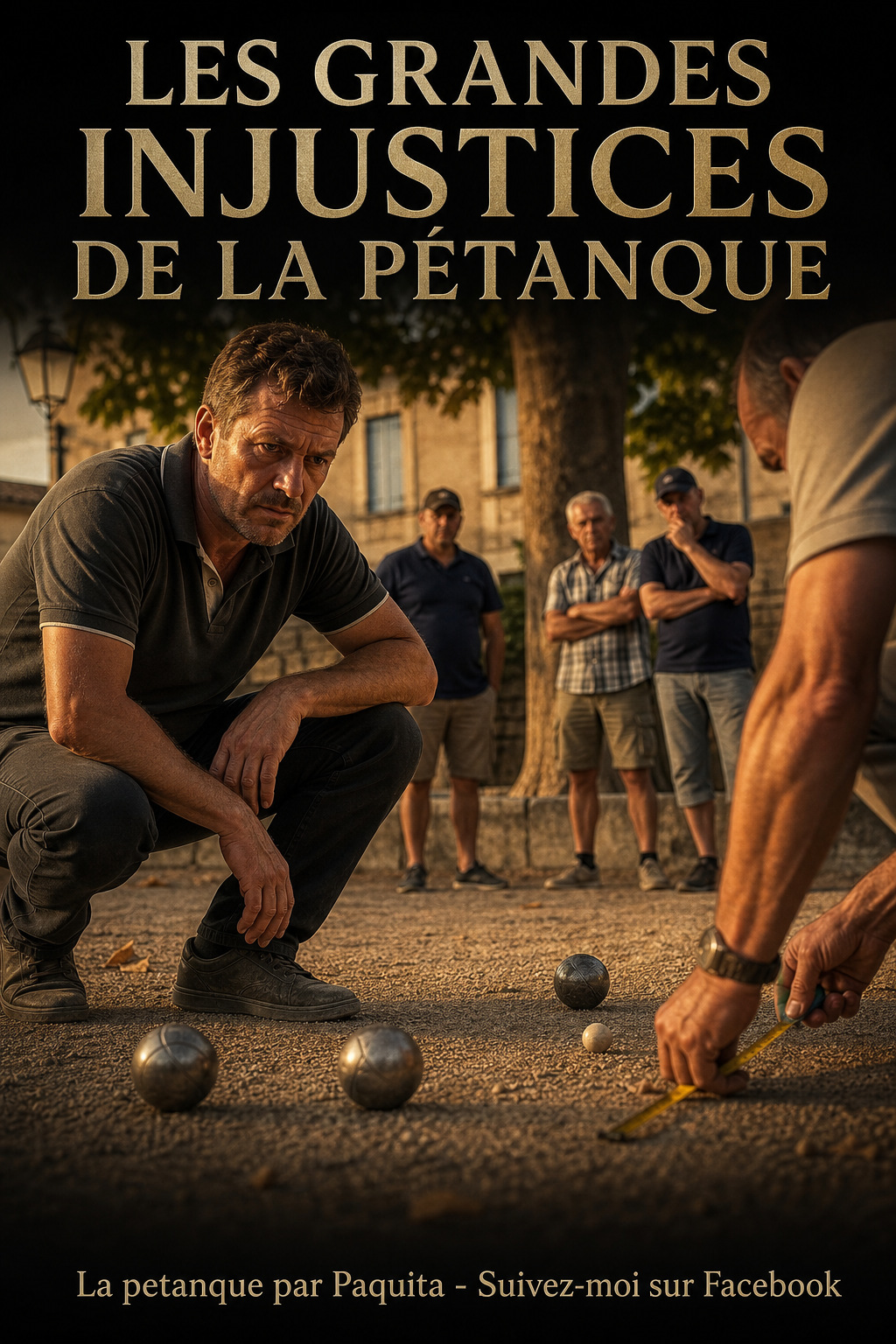
In the stories told around competitions, major injustices are not only spectacular affairs. They are also the scenes every player recognises: a boule judged too quickly, a disputed measurement, ground that turns unpredictable, or a decision announced as the pressure rises. The memory can be very clear; its interpretation is less so.
So avoid ranking the “worst” episodes when no reliable archive exists. A situation becomes useful when it helps explain the workings of fairness: the same rule for everyone, an explainable decision, a chance to verify it and respectful behaviour. These reference points matter as much in a neighbourhood game as in an official competition.
Before saying “that’s unfair”, use one precise sentence: “I would like to check the boule, the rule or the mark.” That precision already lowers the tension.
2. Sort the facts before looking for someone to blame
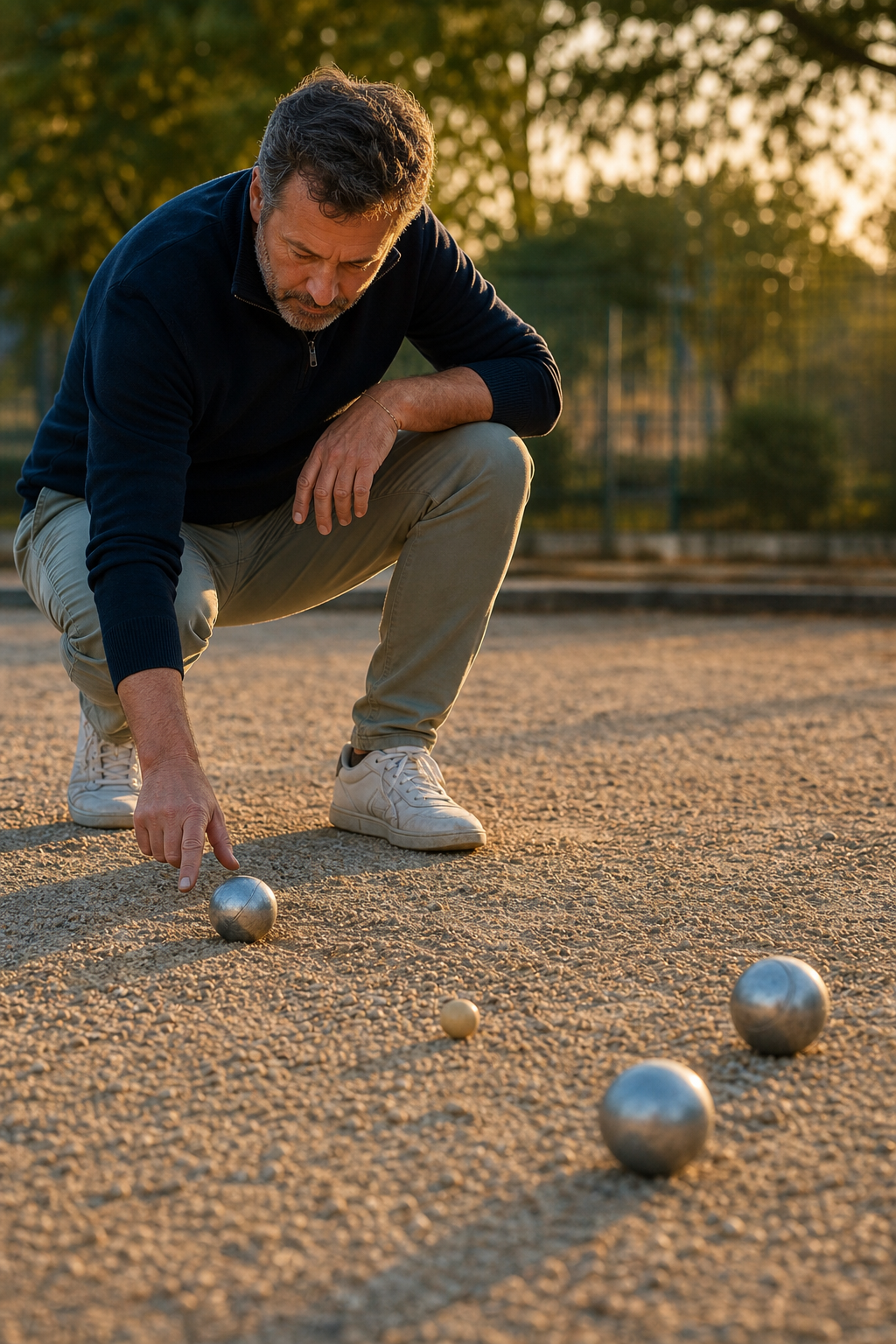
A healthy reaction starts with three observations: what did we see? what was announced? what does the rule allow us to check? Feeling matters, especially when an entire effort seems wiped out by a decision. But it replaces neither a measurement nor the course of the end.
Imagine a pool final: your shooter hits, the jack moves, then two players disagree about the order of the boules. The wrong reflex is for everyone to speak at once. The right one is to freeze the situation, call the competent person and add no gesture that clouds the reading. This method protects the game as much as the players.
| What is happening | Useful reaction | What it prevents |
|---|---|---|
| Disputed measurement | Ask for a calm verification | An endless argument |
| Poorly known rule | Identify the exact point to be decided | Contradictory assertions |
| Decision already made | Note the issue for the debrief | Losing the next end |
| Frustrated partner | Give one short playing instruction | Anger spreading through the team |
3. When the rule needs to take its place again
Officiating is neither a humiliation nor a weapon for gaining time. It is the framework that makes a game comparable from one ground to another. A player may ask for clarification; they may not turn that request into an improvised courtroom. Knowing the basics of officiating in pétanque helps you choose the right moment and the right words.
The difficulty often comes from urgency. After a disputed boule, the score, remaining boules and emotion push people to decide before they understand. Yet a calm, factual intervention is stronger than a loud protest. If the decision is confirmed, the team must treat it as a playing fact: you do not win an end back by accusing, but by preparing the next one.
Revisiting a decision after every following boule. Even when you feel wronged, it cuts communication, tires the pointer and hands initiative to the opponent.
4. Ground, draw and conditions: fairness is not uniformity
A competition does not always promise perfectly identical ground, a comfortable draw or mild weather. Above all, it promises a framework that is announced and applied consistently. A stone, slope or fast area can feel unfair when it appears at the worst moment; it becomes a tactical element if both teams face it under the same rules.
The distinction is essential. A difficult condition calls for adaptation: change the line when pointing, shorten a trajectory, accept a safety point. A break in procedure calls for verification. This also prevents you from slipping into self-sabotage after a difficult end.
Being treated fairly does not mean every boule will be easy. It means nobody benefits from a different rule or hidden information.
5. Protecting the team in a tense end
In a triplette, perceived injustice quickly becomes collective. One person wants to argue, another wants to shoot straight away, the third hesitates to speak. The most useful role often belongs to the partner who reframes: “The decision is there; which boule protects our score?” That sentence brings the group back to its power to act.
An on-court example: you lead 8–7, a measurement seems unfavourable and the opponent still has two boules. Rather than attempting a brilliant shot to “answer back”, choose the move that limits the loss. The shooter does not have to prove they are right; they have to execute a clear target. This discipline connects with the mental quality of the most reliable players.
Choose one word for returning to the game — “distance”, “jack” or “safety”. After a dispute, one shared word is worth more than a long speech.
6. Turning the episode into progress rather than resentment
After the game, give yourselves two minutes to separate the result from the process. Note the situation, the rule invoked, what was checked and how it affected your choices. If an organisational or officiating mistake seems real, use the appropriate channel, with dated facts rather than a story inflated by disappointment. If the decision was correct, ask what your team can prepare better.
This debrief does not take away the frustration. It gives it an outlet. Over time, you will notice the moments when you play too quickly after a disagreement, or those when a simple announcement would have avoided a misunderstanding. It is a very practical way to improve: keep high standards without letting one isolated scene define your level. The same approach also helps explain why some victories leave an uneasy feeling.
To go further, keep this playing rule in mind: make your claim clearly, accept the procedure, then play fully again. That is how pétanque preserves its spirit of competition and respect.
Frequently asked questions Frequently asked questions about a perceived injustice in pétanque
Can you challenge a measurement?
Yes, provided you do so immediately, calmly and according to the event procedure. Ask for a specific verification rather than starting a general discussion.
Is more difficult ground necessarily unfair?
No. It becomes a fairness issue if the conditions or access to information are not the same for everyone. Otherwise, it is a playing factor to read and manage.
What should you say to an angry partner?
Bring them back to the next action: score, remaining boules and objective. A short instruction protects the team better than a reproach.
Should you discuss a decision after the game?
Yes, if it can improve understanding of a rule or report a specific fact. Stay factual and use the channel provided by the organiser.
How can you stop the frustration returning at the next competition?
Prepare a routine: know the useful rules, decide who speaks in case of doubt and choose one word for returning to the game. The routine makes the team steadier.