Actualités · 22 August 2026
Le plus grand regret que confient les anciens champions de pétanque
Les regrets les plus utiles des joueurs expérimentés parlent moins de trophées que d’équipe, de transmission et de plaisir. Des repères concrets pour jouer longtemps et juste.The most frequent regret among experienced players is not missing a decisive boule. It is having played too long to prove something, instead of passing things on, still learning and enjoying the group. The good news: this can be corrected from the next game.
After a career in competitions, the strongest memories are not always trophies. They are often a team that was not listened to enough, a young player who was not supported enough, or a game played without pleasure because winning was essential. These lessons take nothing away from high standards; they make them last longer.
1.When winning takes too much space in a career
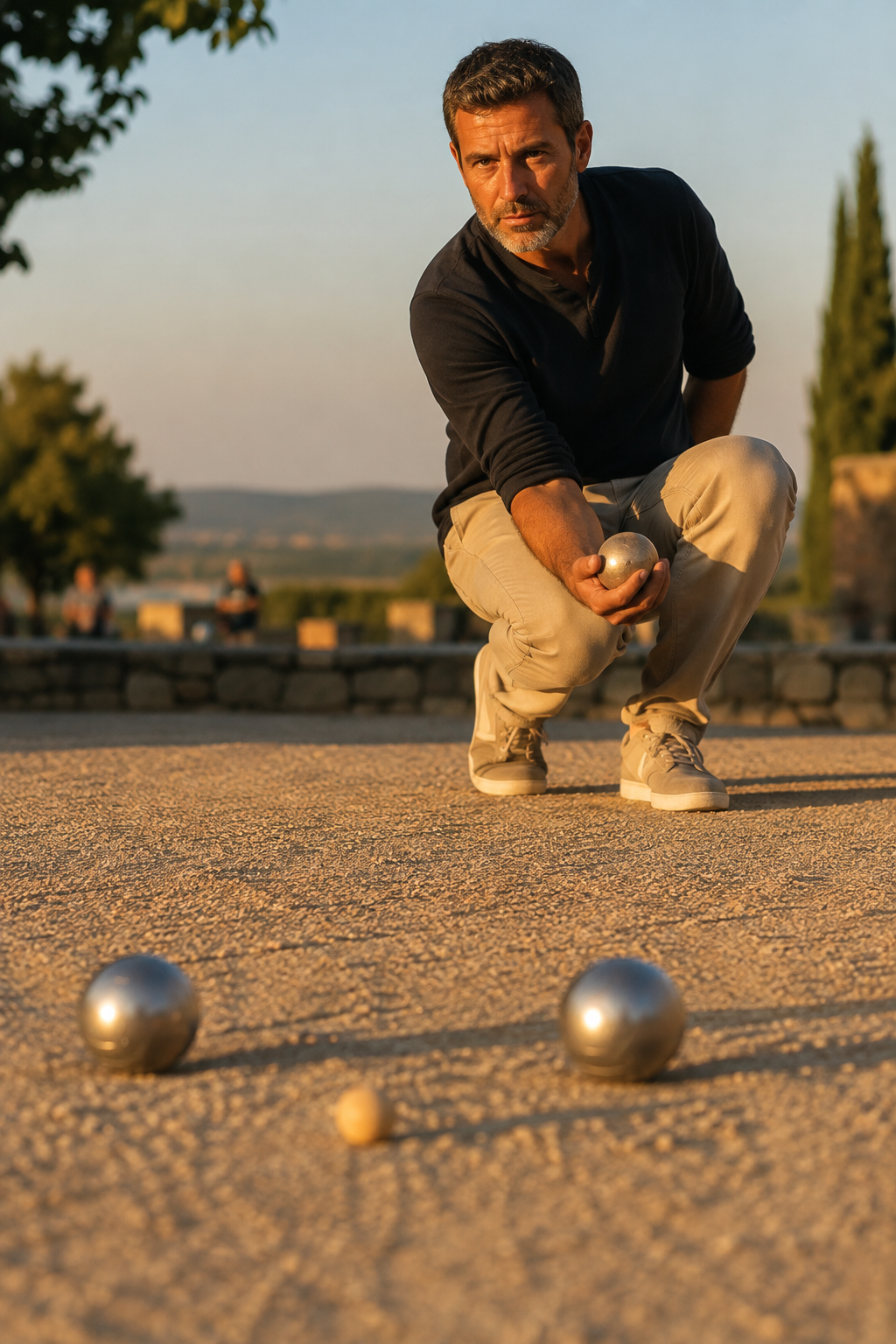
Competition teaches you to count, choose and withstand pressure. But it can also make you believe a game has value only through its result. Many seasoned players recognise, in hindsight, that they let a defeat occupy a whole week when it mainly contained information about the ground or a decision.
The regret is not having wanted to win. It appears when the final result erases everything else: a partner who read the game well, a brave boule, quiet progress. After every game, keep one simple question: ‘What did we understand better today?’ It protects enjoyment without removing ambition.
At the end of a competition, give each partner one precise fact they did well. This habit builds a team memory stronger than the score alone.
2.The regret of not having listened to the team enough
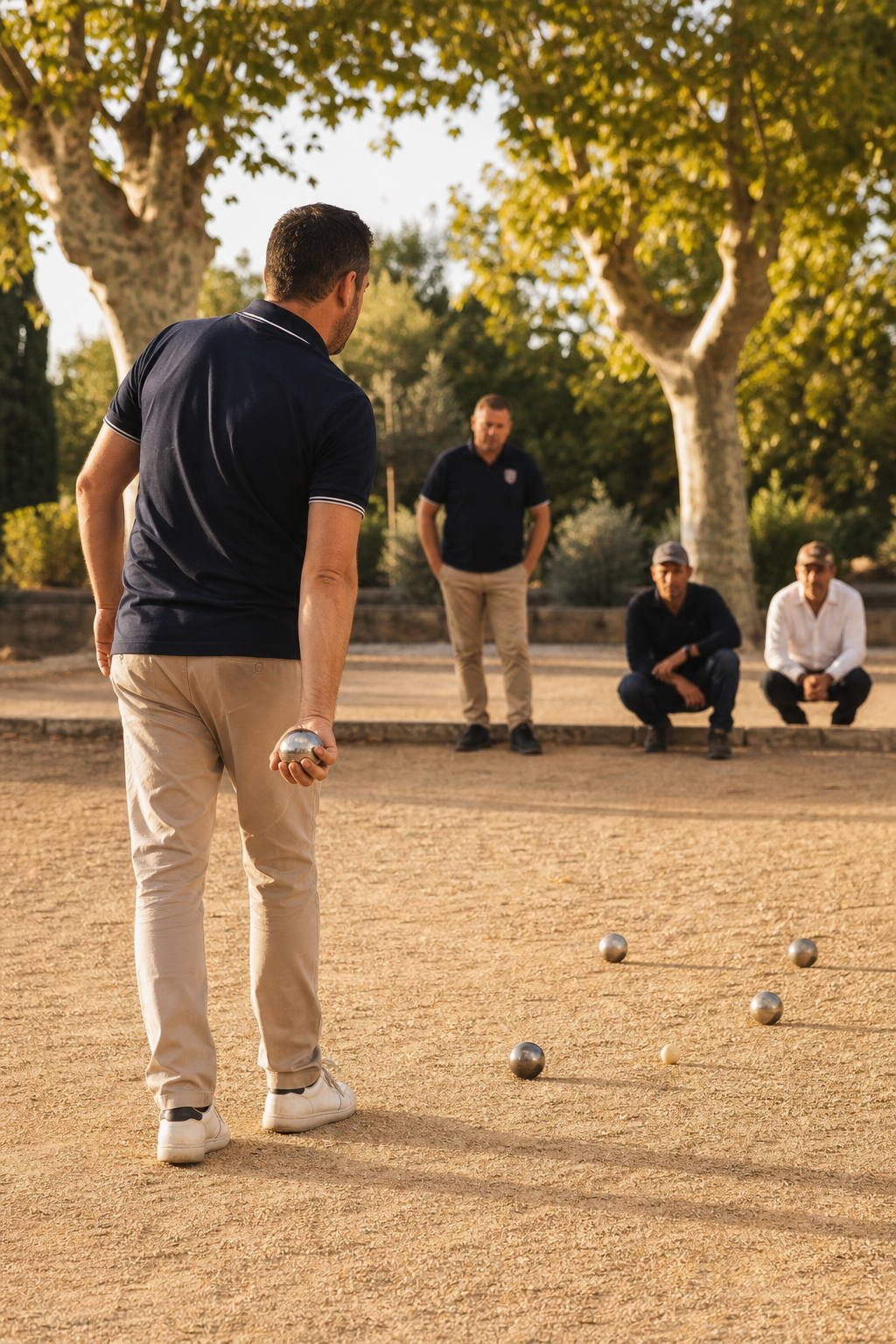
A former champion does not necessarily regret a shooting choice. They often regret the tone used to impose it. In a triple, the pointer sees ground speed, the middle player keeps the measure of the end and the shooter knows their target. When one voice crushes the other two, the team loses information before it loses points.
One scene is enough to understand it. At 11–11, the shooter asks for a clear target. The pointer sees that a zone in front of the jack already closes the game. If the group stops for ten seconds to hear both, it chooses a shared decision, not a soft compromise. The basics of this reading are detailed in our guide to pétanque tactics.
3.The regret of not having passed things on earlier
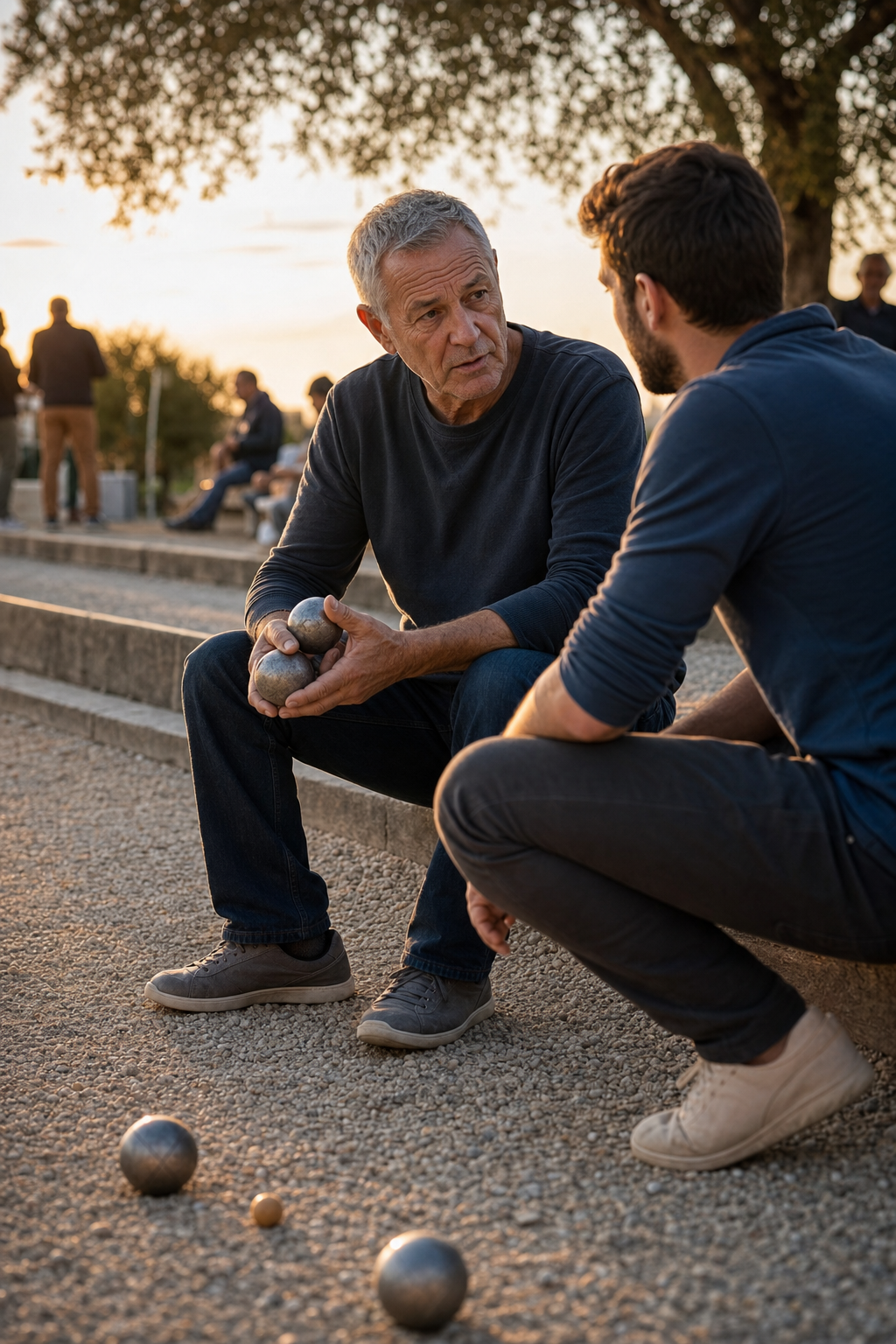
Movements can be learned, but a way of seeing is passed on. Show a beginner where to look before pointing, explain why a boule in front protects better than a close boule, or let a young player choose an option: that is what remains in a club. Passing on knowledge does not need long lessons; it needs making visible what experience has made automatic.
| Club moment | Transmission action | Lasting effect |
|---|---|---|
| Before an end | Name a zone and its risk | The young player learns to decide. |
| After a boule | Describe line, length or ground | The movement becomes analysable. |
| After a competition | Share a team success | Confidence circulates. |
To start, use pétanque pointing : a short piece of advice about the zone is better than an impressive demonstration without explanation.
4.The classic mistake: confusing high standards with harshness
Being demanding means asking for a clear count, an intention and presence until the final boule. Being harsh means using a partner’s miss to take power in the end. The two attitudes are sometimes confused, but they do not build the same team.
The useful sentence after a miss is: ‘What is left for us to do?’ It puts responsibility back on the game. The damaging sentence is: ‘You should have…’ It comes too late and traps the player. Teams that know how to talk learn to turn high standards into collective confidence.
Giving a complete piece of advice to a partner already in the circle. At that moment a zone or target is enough; technique is worked on after the game.
5.Two actions to avoid keeping these regrets
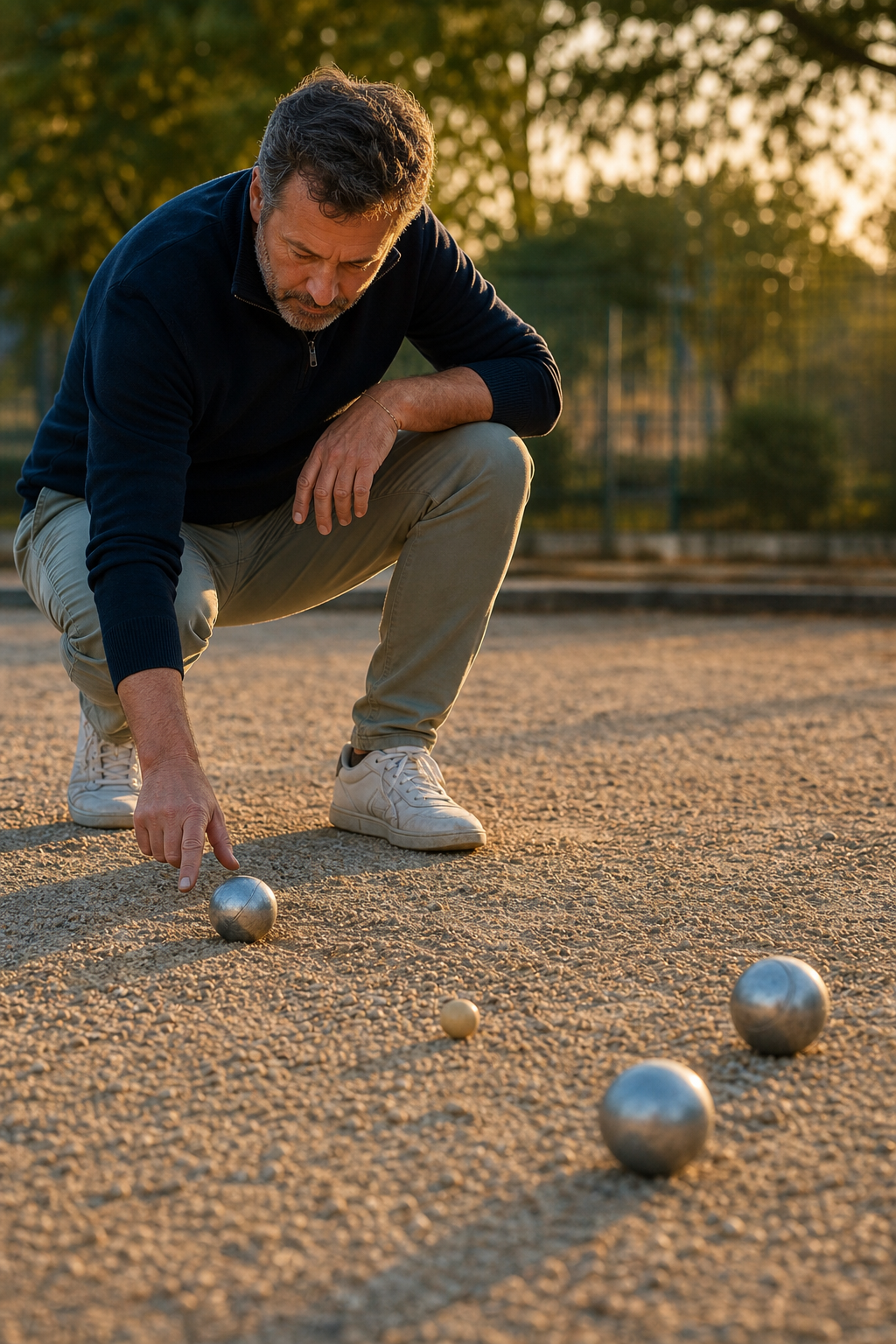
First action: once in each game, ask a partner what they see before stating your choice. You may discover a slope, a protecting boule or a forgotten risk. Second action: after the game, share one thing you will pass on at the next training session.
This routine makes performance broader. It helps you play seriously while leaving room for club culture. It joins the central idea of these quiet habits of the best players : a good level is built in details that others can learn too.
6.Playing for a long time also means changing your view
The player who remains happy in the game does not try to replay their best years exactly. They accept that their role changes: more reading, calm and explanation, sometimes less demonstration. This evolution is not a step back; it is a new way of being useful.
At your next competition, choose one contribution that does not depend on your score: reassure a partner, note a difficult zone or welcome a new player. This action gives the game more depth and stops the memory being reduced to a number.
Frequently asked questionsFrequently asked questions about career regrets
Do former champions really have more regrets than others?
Not necessarily. They have mainly accumulated enough games to see what matters beyond a result: team, transmission and lasting pleasure.
Should you aim less at victory to play better?
No. You must aim rightly: win the current end with a readable choice, without reducing a game’s value to one score.
How can you pass things on without lecturing?
Describe what you observe and ask a question. ‘What is the ground doing here?’ opens more than an order.
Should an experienced player always decide?
No. Their experience is more useful when it brings out the information of both partners before formulating a decision.
Which habit should you keep from now on?
After every game, name one collective lesson and one person to whom you can pass it on.
Your turn: at your next training session, explain one ground reading to a partner. Then continue with our guide to improve methodically.