#technique petanque
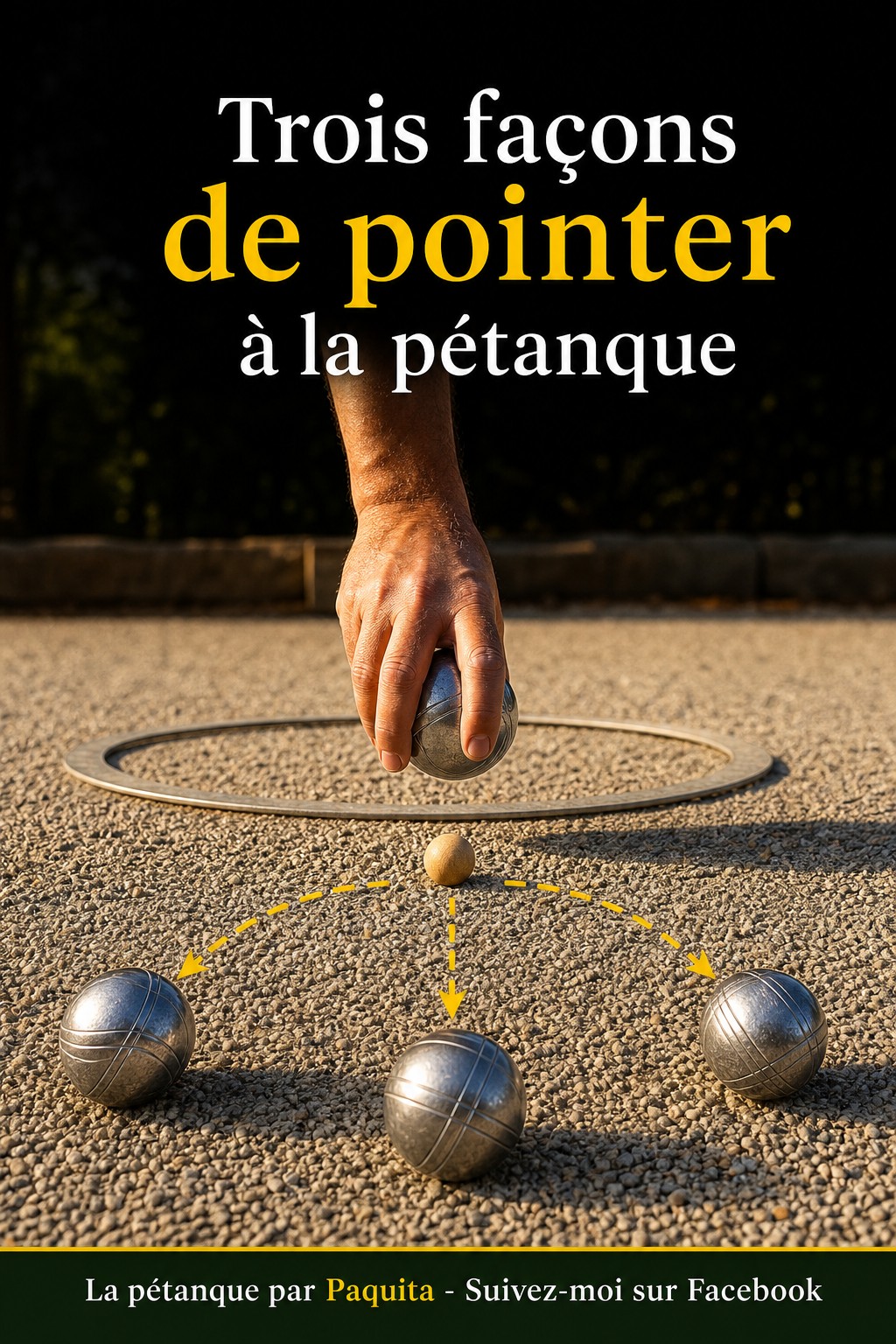
Three ways to point in pétanque: which one to choose?
Rouler, demi-porter ou porter : découvrez les trois façons de pointer à la pétanque et comment choisir la bonne trajectoire selon le terrain…
Read more →
The habits holding you back without you realising
Are you plateauing without understanding why? Often it's not your abilities but invisible automatisms: playing without
Read more →
Pétanque: Why does the "forced" action never work?
Pousser la boule, serrer, accélérer par à-coups : le geste forcé semble logique mais sabote la précision. Co-contraction, balancier cassé, l…
Read more →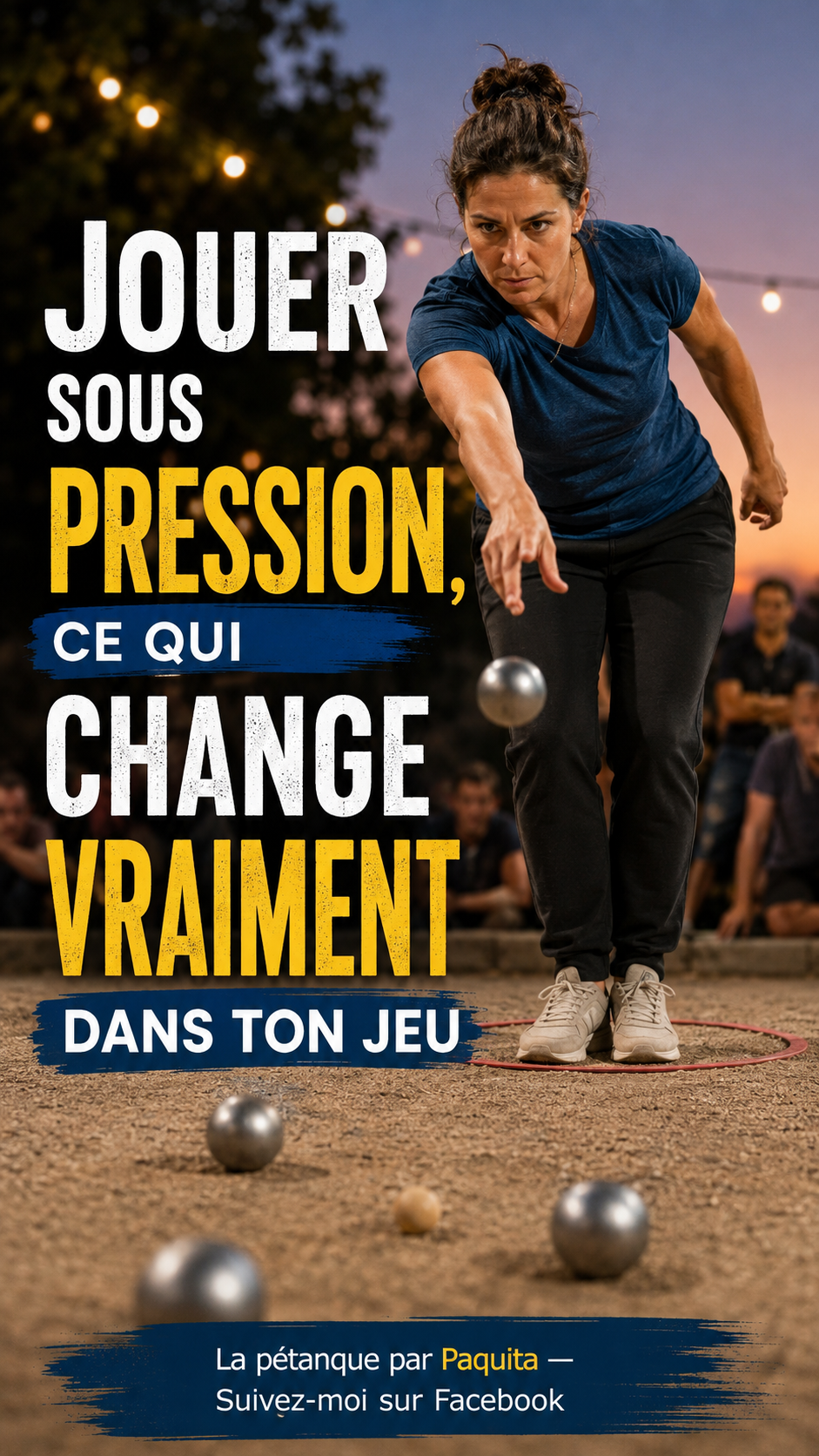
Playing under pressure: what really changes in your game
Mains moites, geste qui se crispe, boules faciles ratées en fin de partie… Sous pression, ton corps, ton geste et ton attention changent pou…
Read more →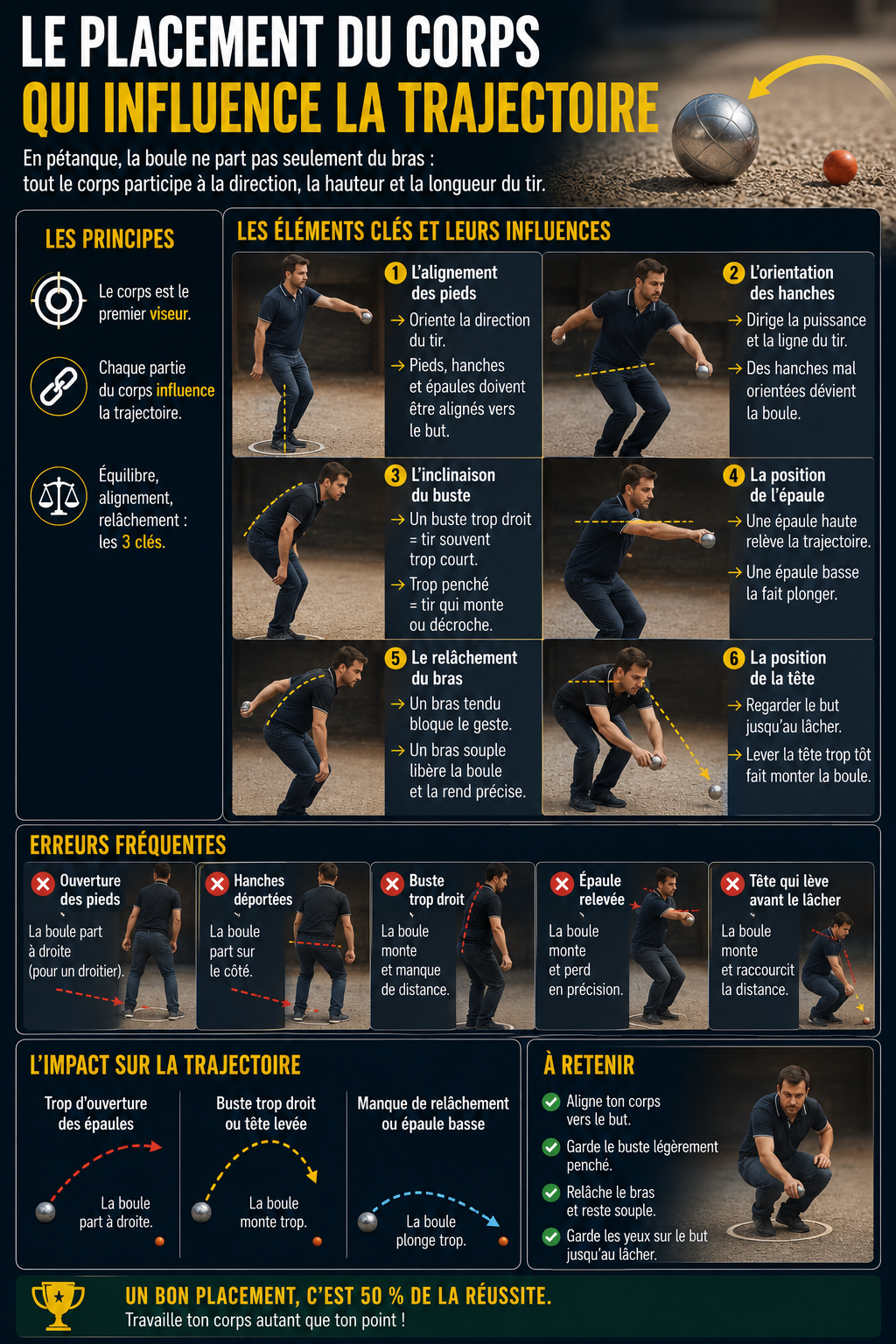
Body positioning that influences the trajectory
In pétanque, the boule's trajectory starts in the body before
Read more →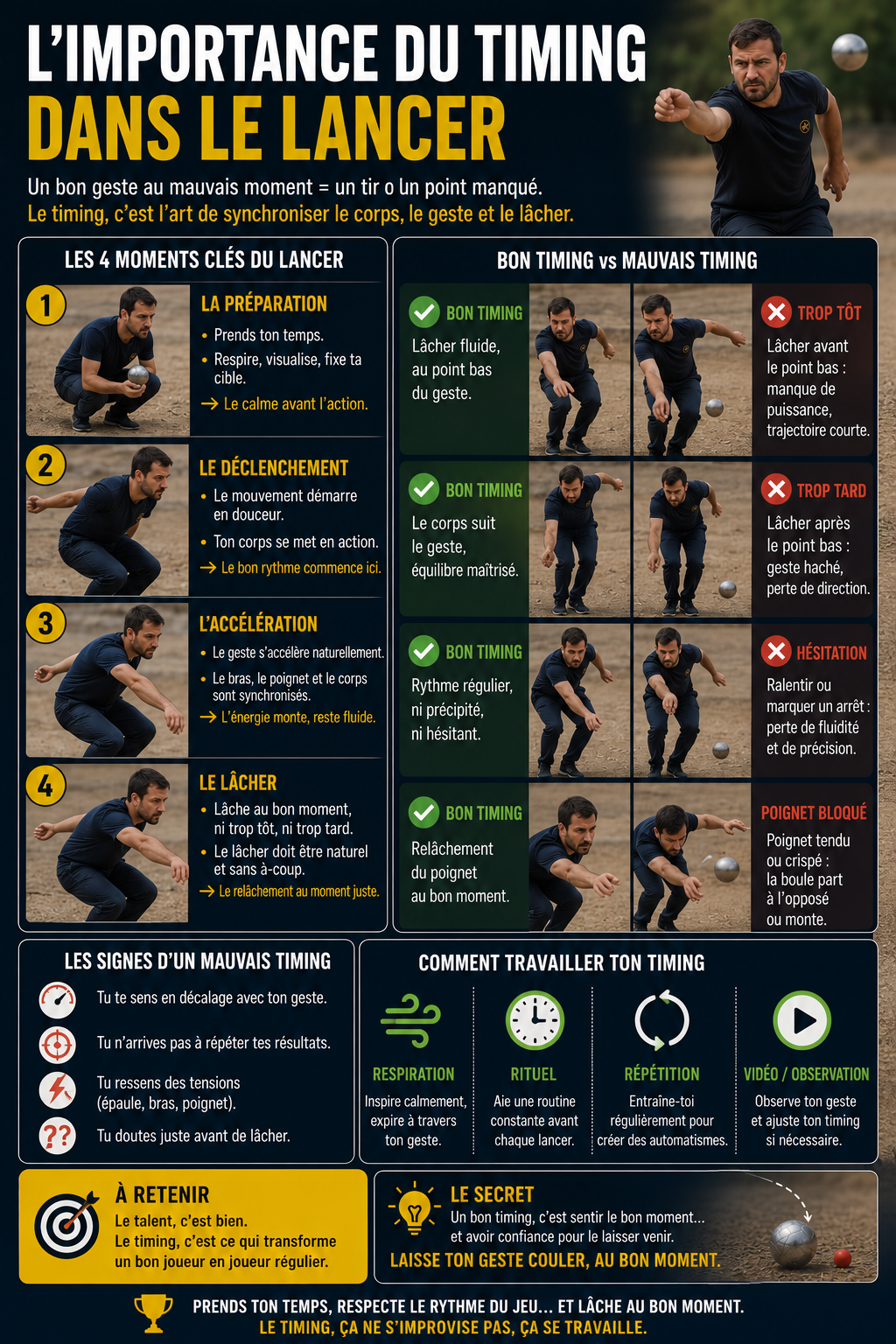
The importance of timing in the throw
The timing of the throw in pétanque — the moment of release, the synchronisation of the pendulum, the coordination between the body and the arm — is the
Read more →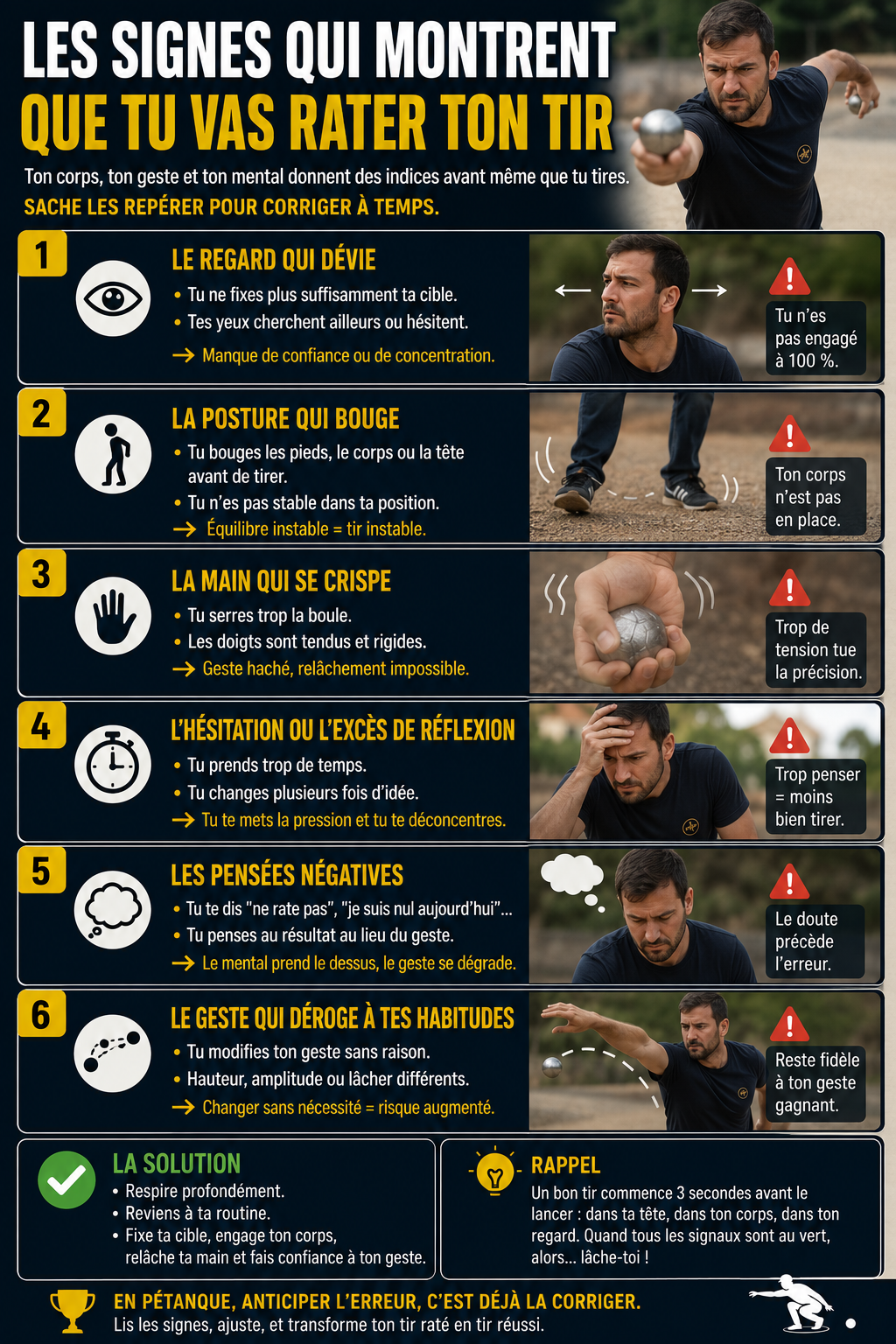
The signs that show you're going to miss your shot
Avant même que la boule parte, certains signaux indiquent clairement que le tir va rater. Corps, mental, décision, geste : Paquita identifie…
Read more →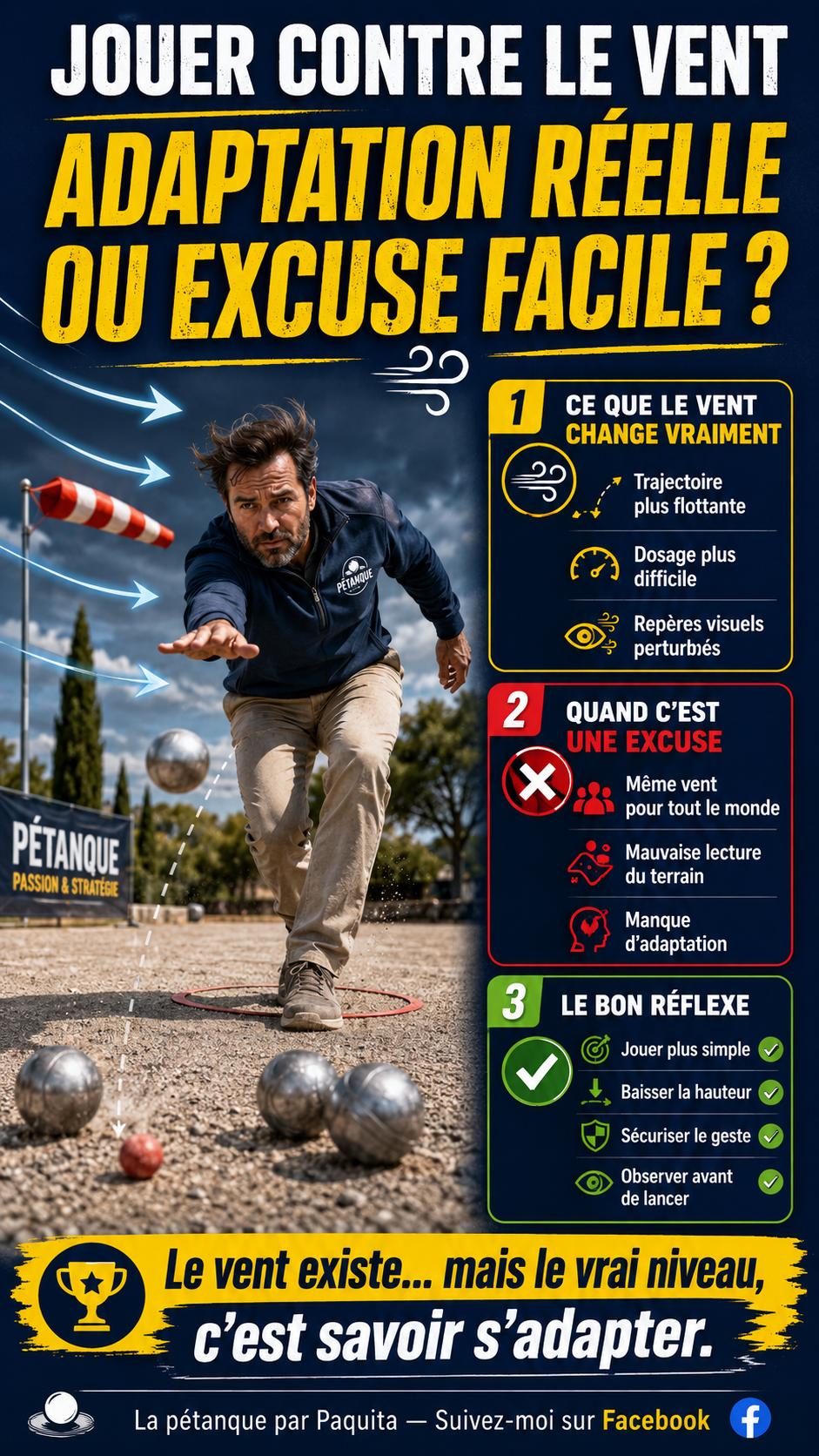
Pétanque and wind: Real adaptation or just an excuse?
Le vent affecte réellement la pétanque — mais pas de la façon dont la plupart des joueurs le croient. Paquita distingue les effets mesurable…
Read more →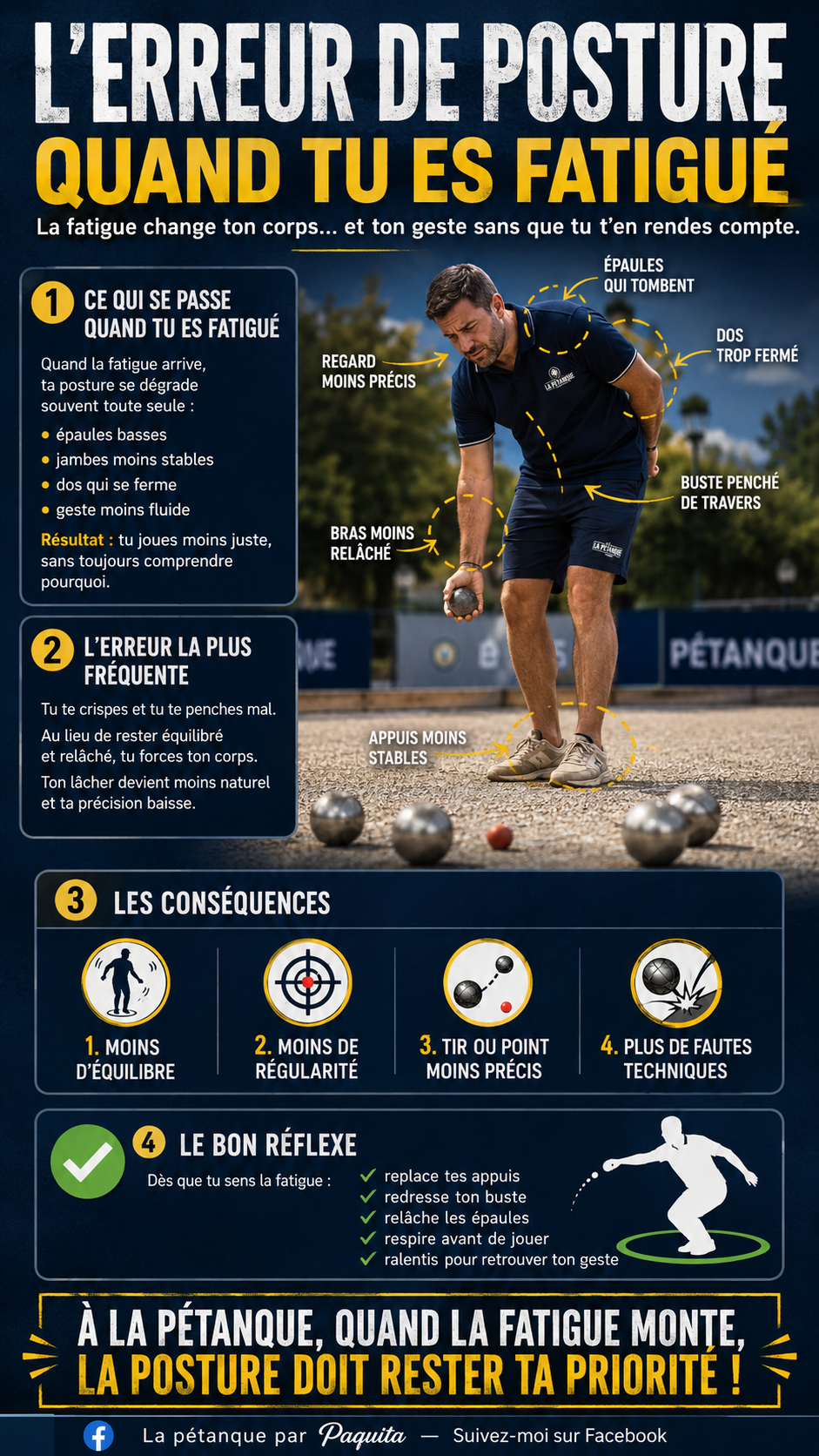
Pétanque: The posture mistake to avoid when tired
Fatigue alters the throwing posture even before the player
Read more →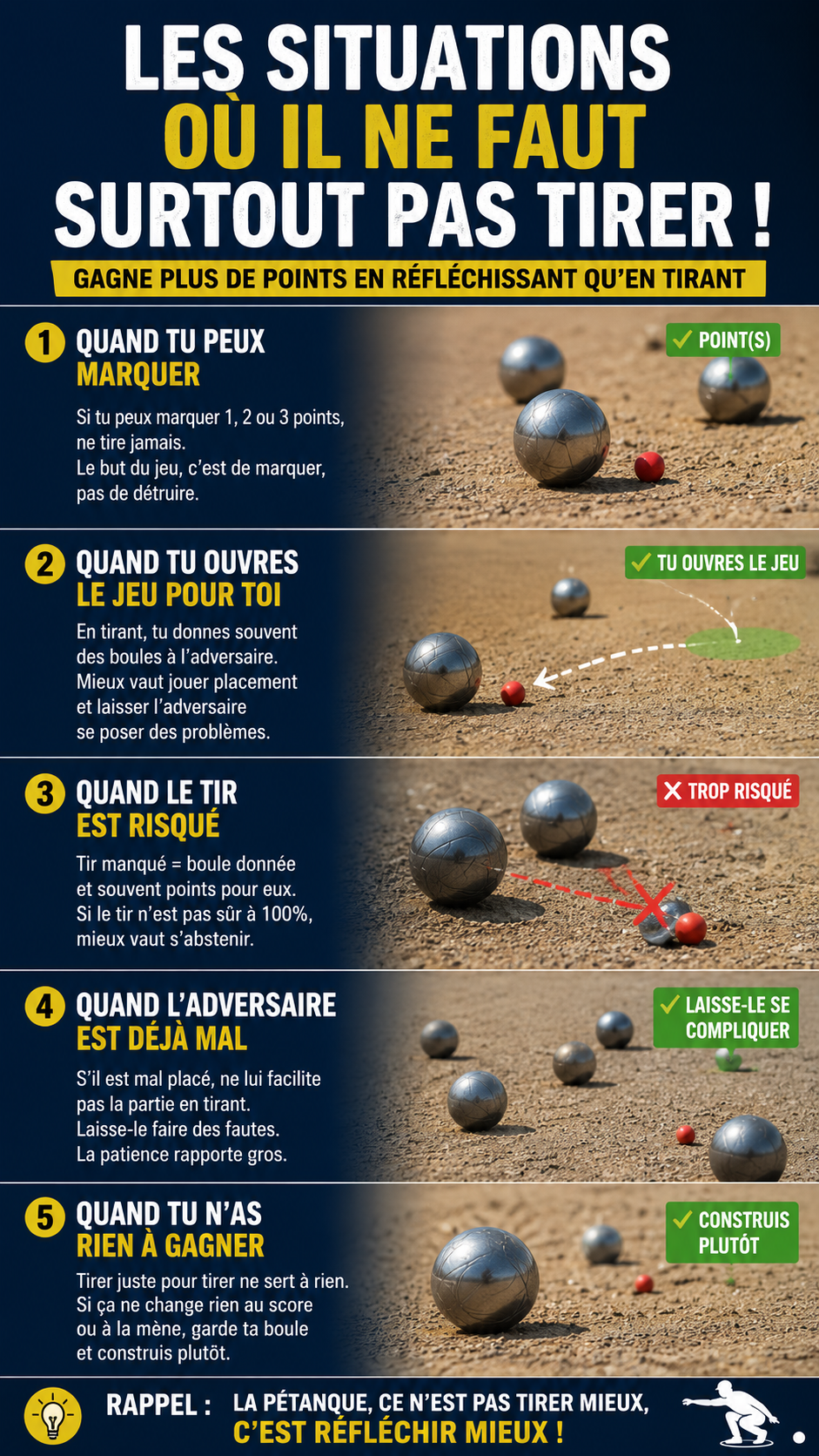
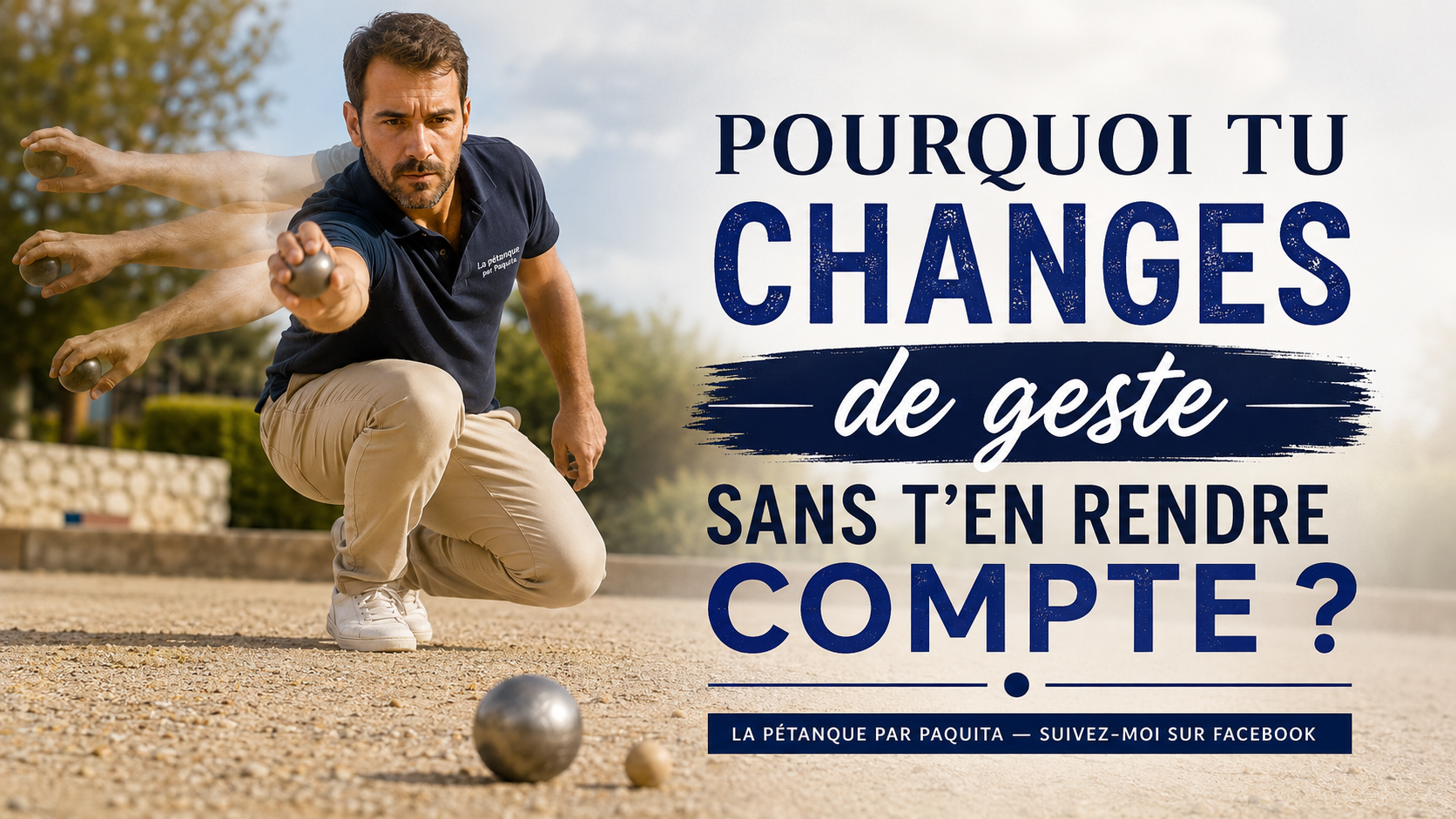
Pétanque. Why do you change your action without realising?
The action that worked perfectly at the start of the game gradually deteriorates. No
Read more →📬 Paquita's pétanque newsletter
New articles, videos, free tools and offers — straight to your inbox.