#conseils pétanque
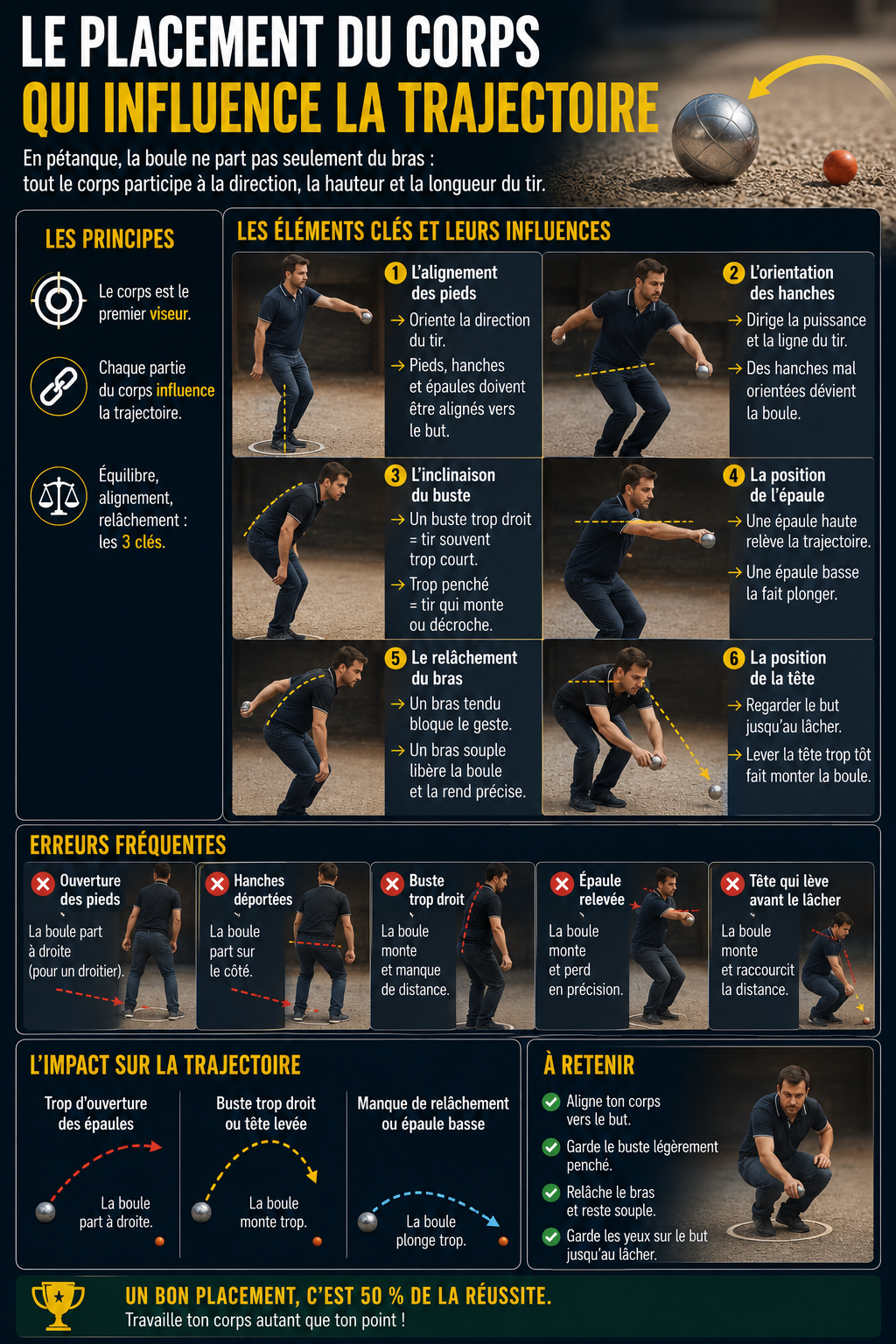
Body positioning that influences the trajectory
In pétanque, the boule's trajectory starts in the body before
Read more →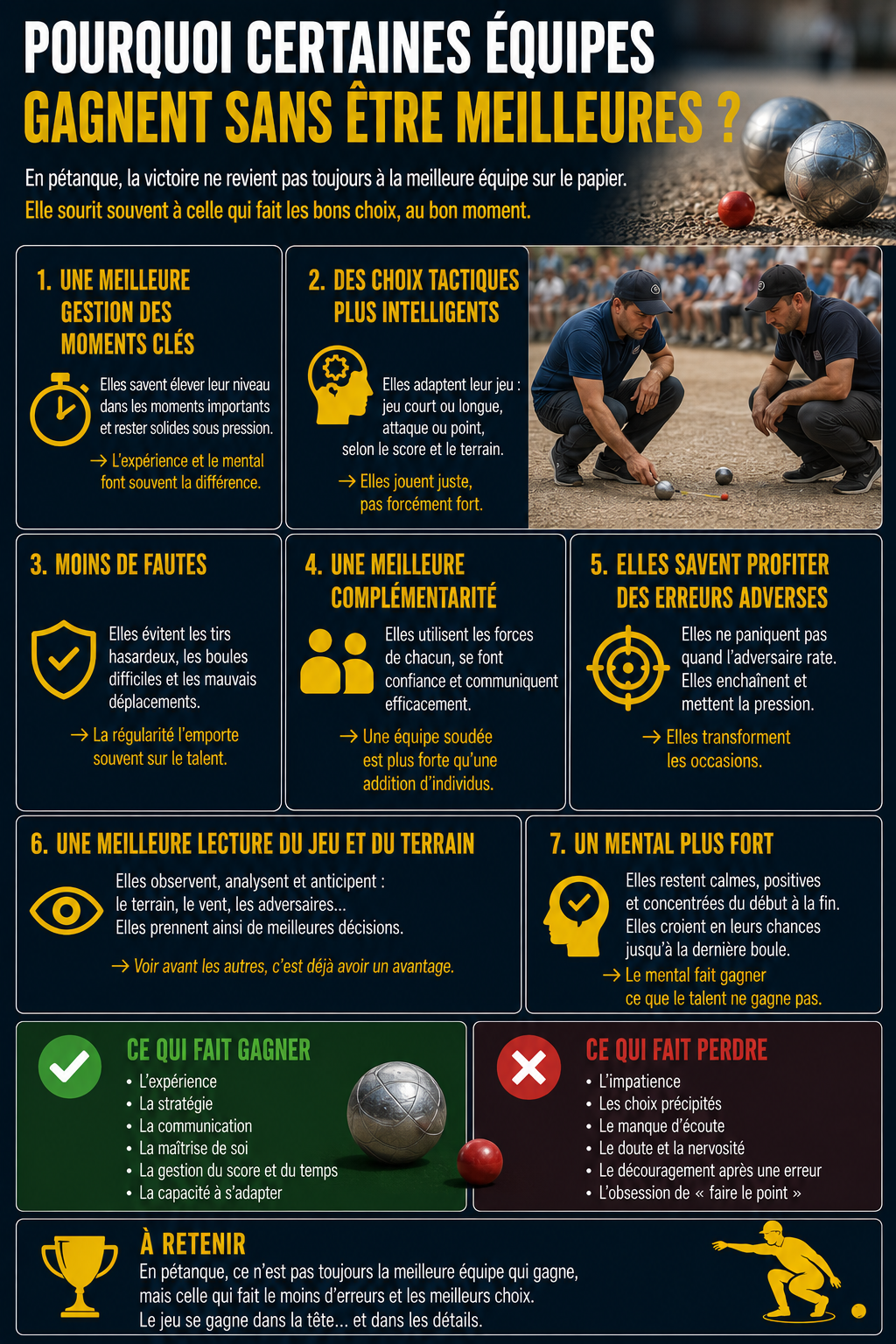
Pétanque: Why do some teams win without being better?
Some teams regularly beat technically superior opponents. It
Read more →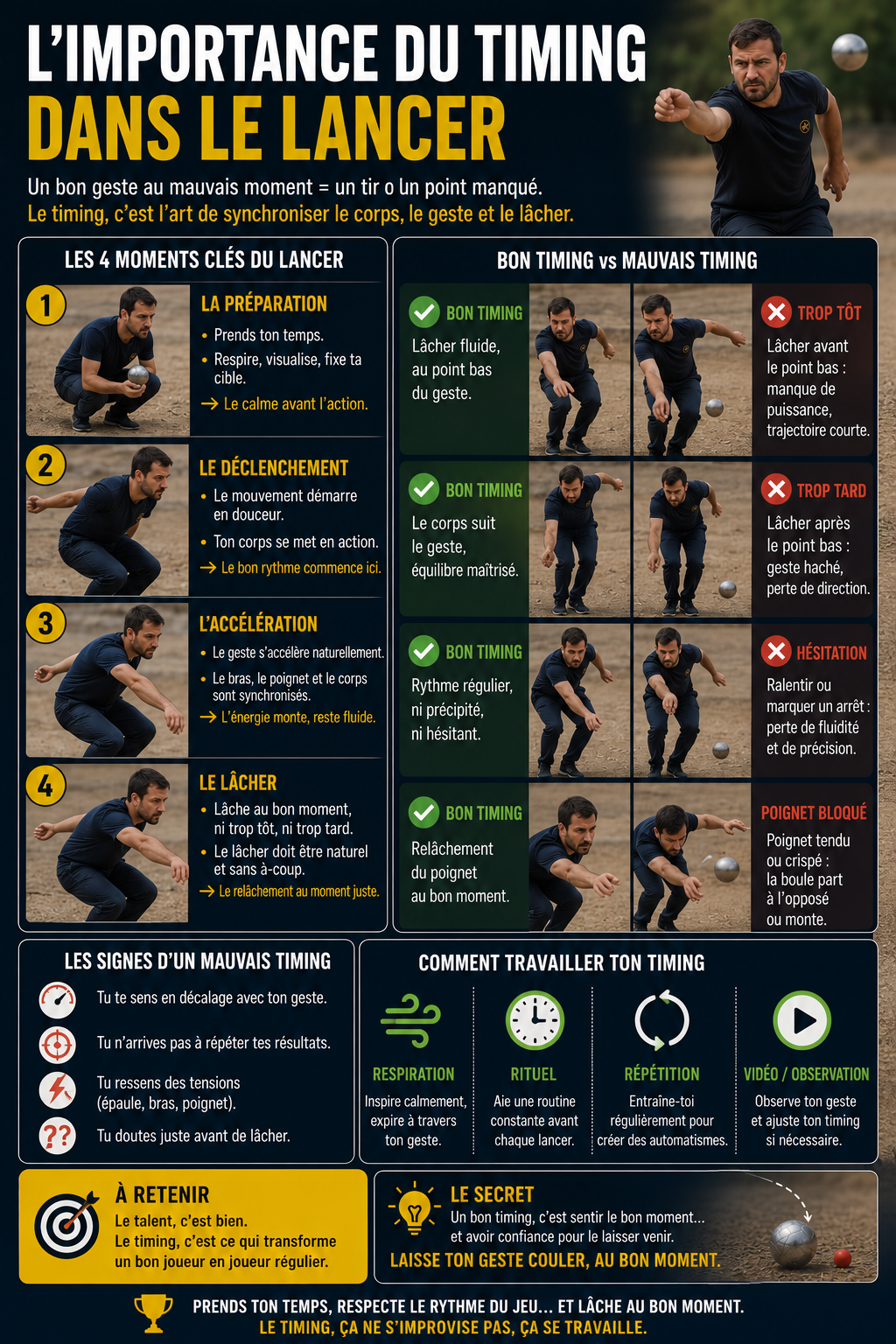
The importance of timing in the throw
The timing of the throw in pétanque — the moment of release, the synchronisation of the pendulum, the coordination between the body and the arm — is the
Read more →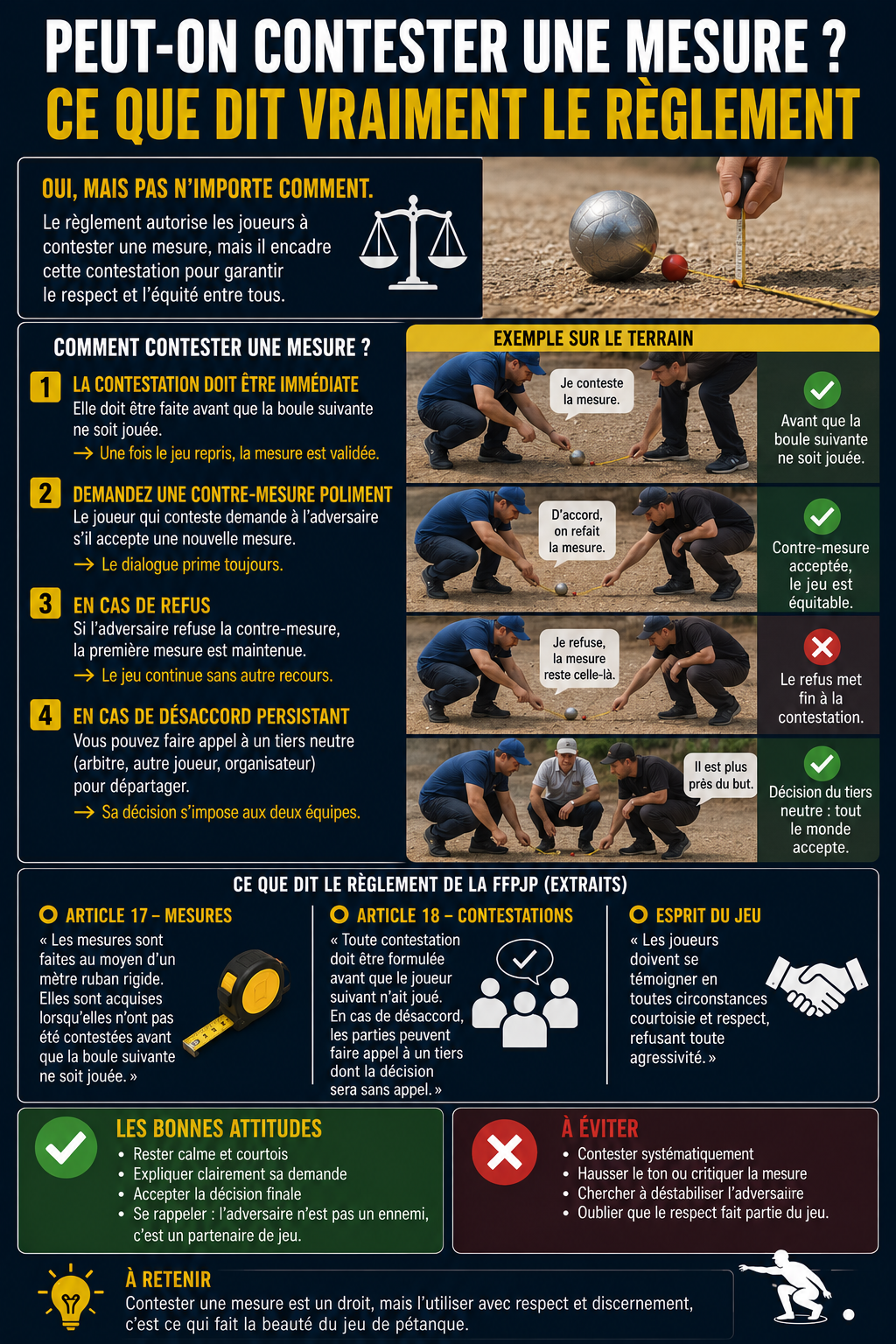
Can you dispute a measurement? What the rules really say
Disputing a measurement in pétanque: when it
Read more →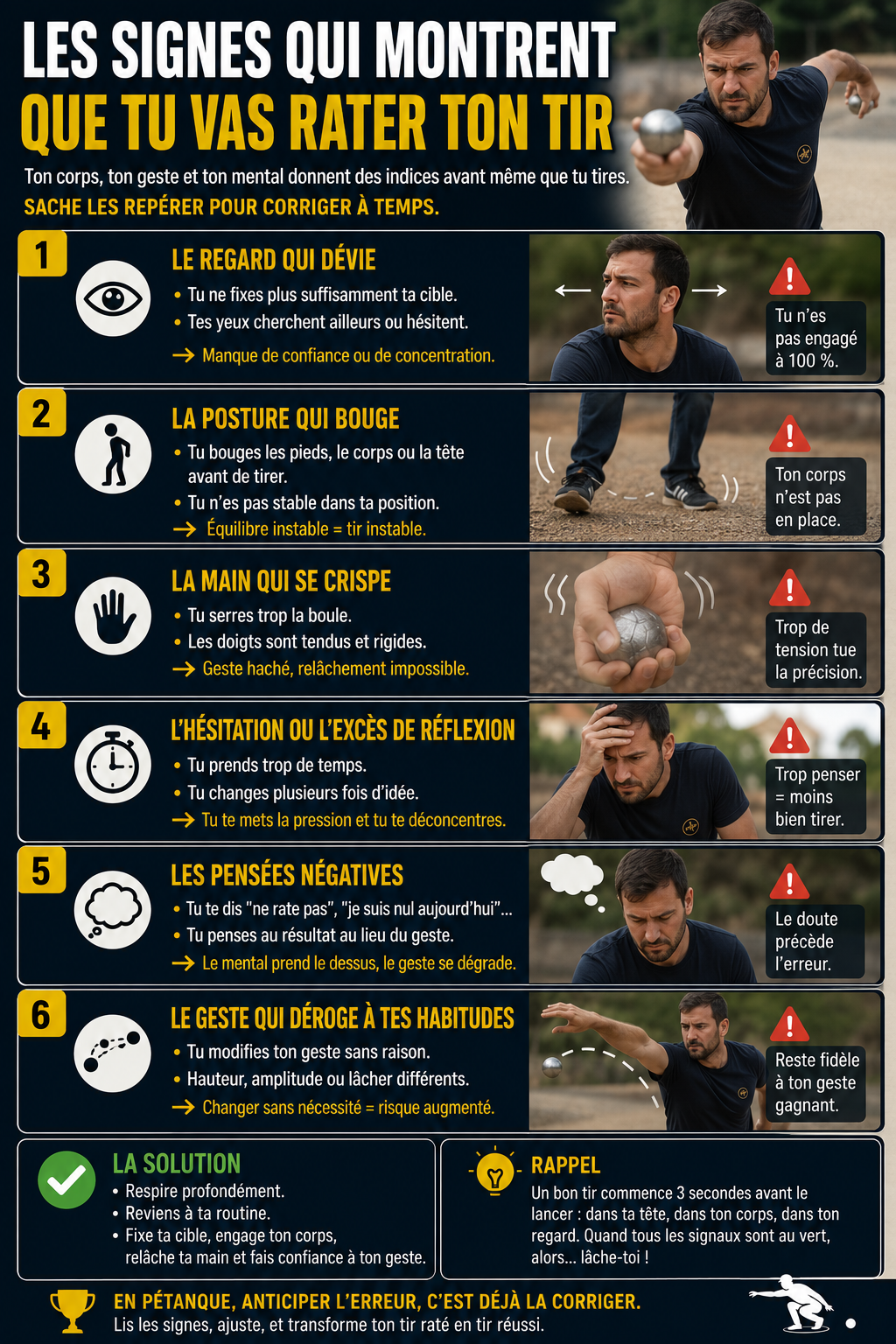
The signs that show you're going to miss your shot
Avant même que la boule parte, certains signaux indiquent clairement que le tir va rater. Corps, mental, décision, geste : Paquita identifie…
Read more →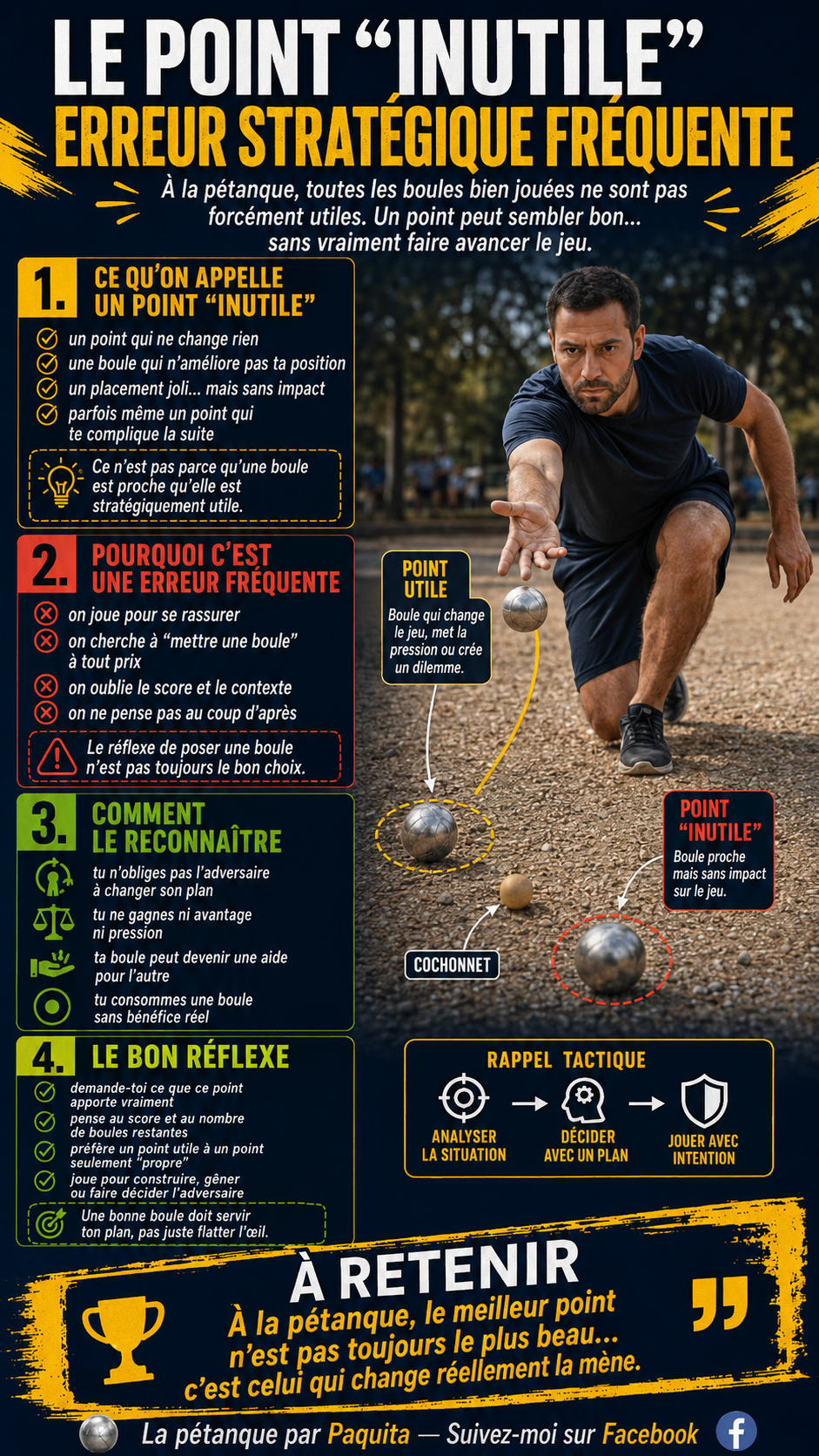
Le point "inutile" : erreur stratégique fréquente
Pointing without thinking about what the boule will actually change — the
Read more →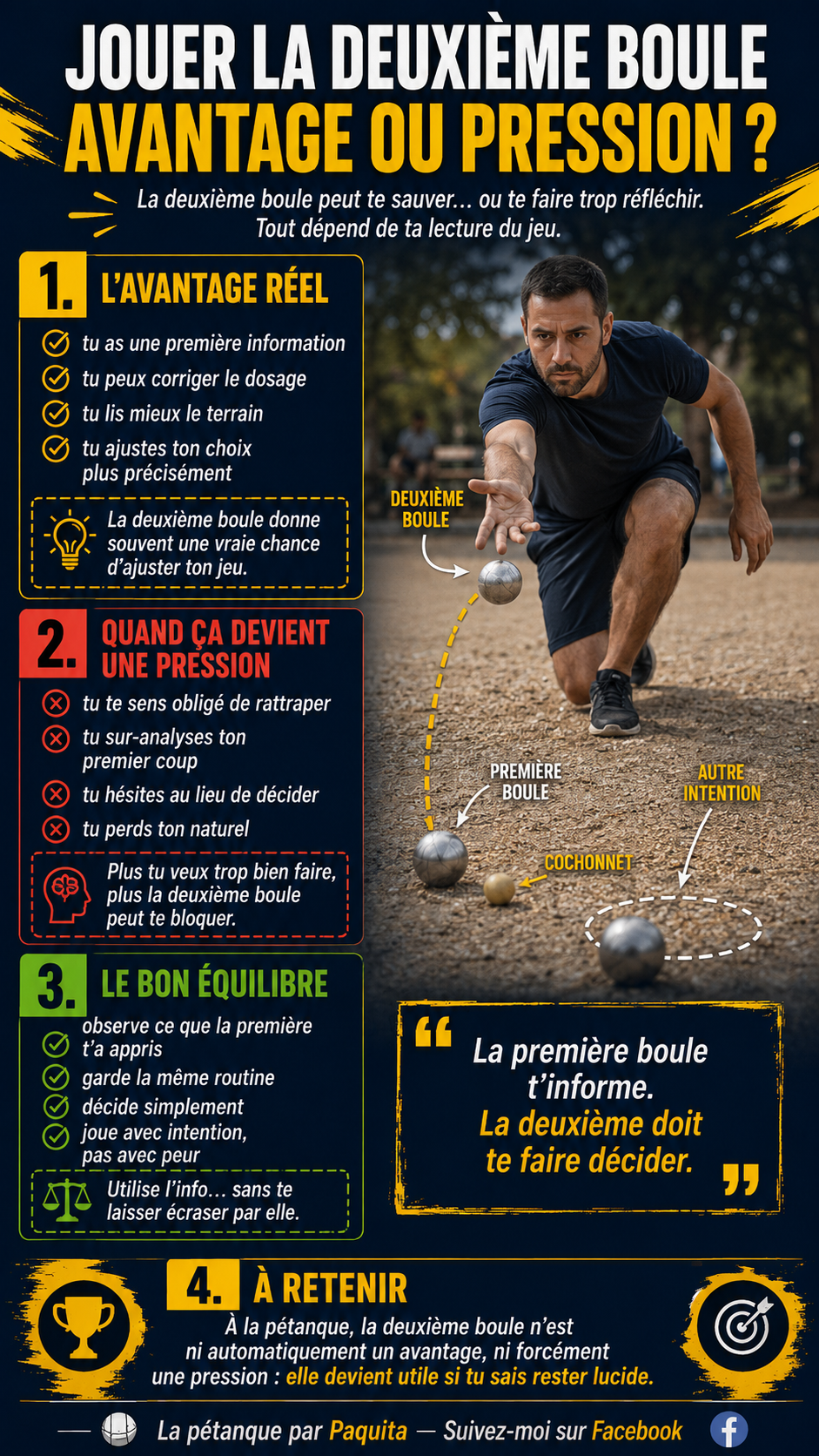
Playing the second boule: advantage or pressure?
La deuxième boule est la seule de la mène jouée avec une information de terrain réelle. Avantage à exploiter ou pression supplémentaire à gé…
Read more →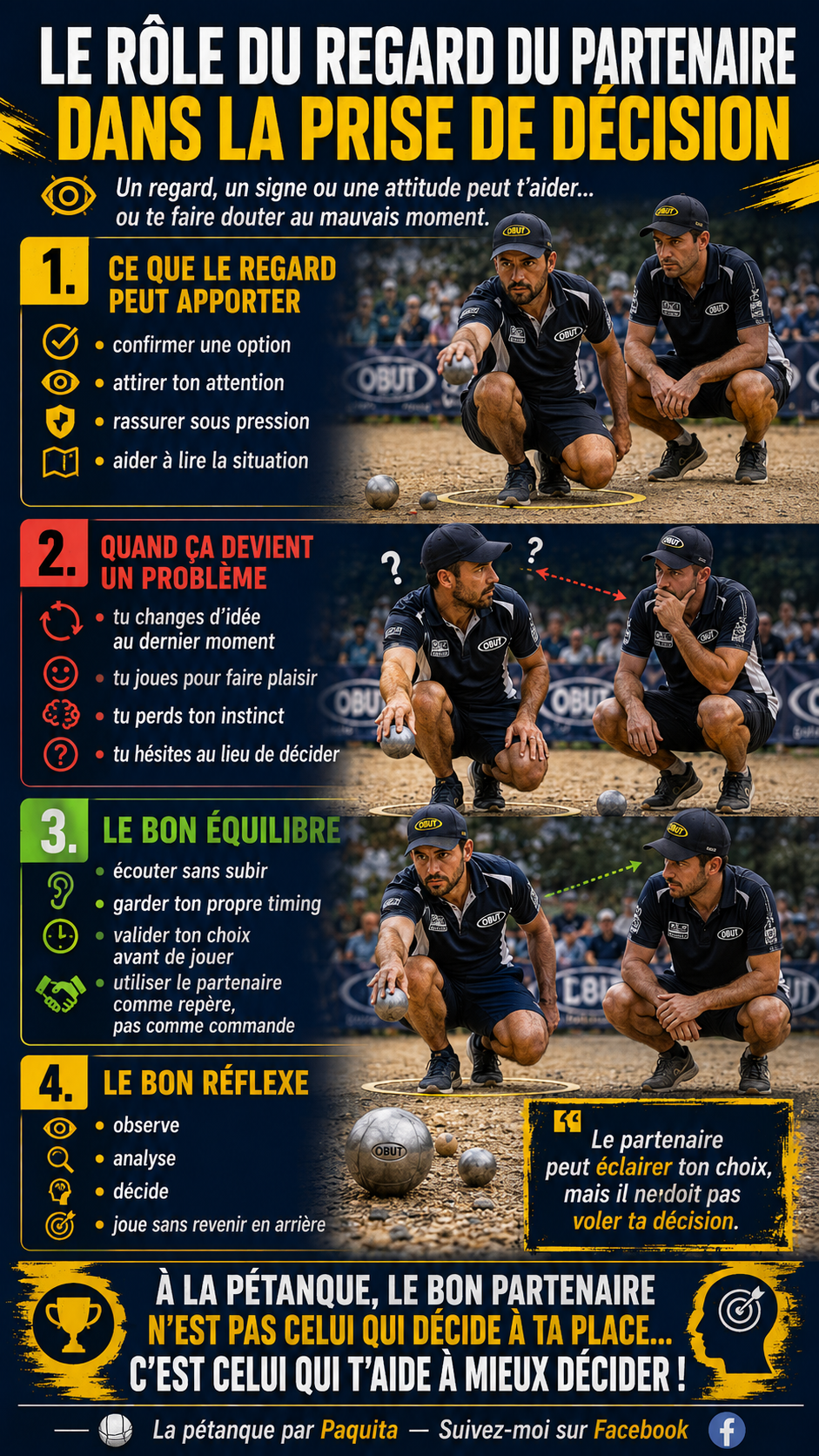
The role of your partner's gaze in decision-making
A partner's gaze can validate, doubt, paralyse or reassure — often without
Read more →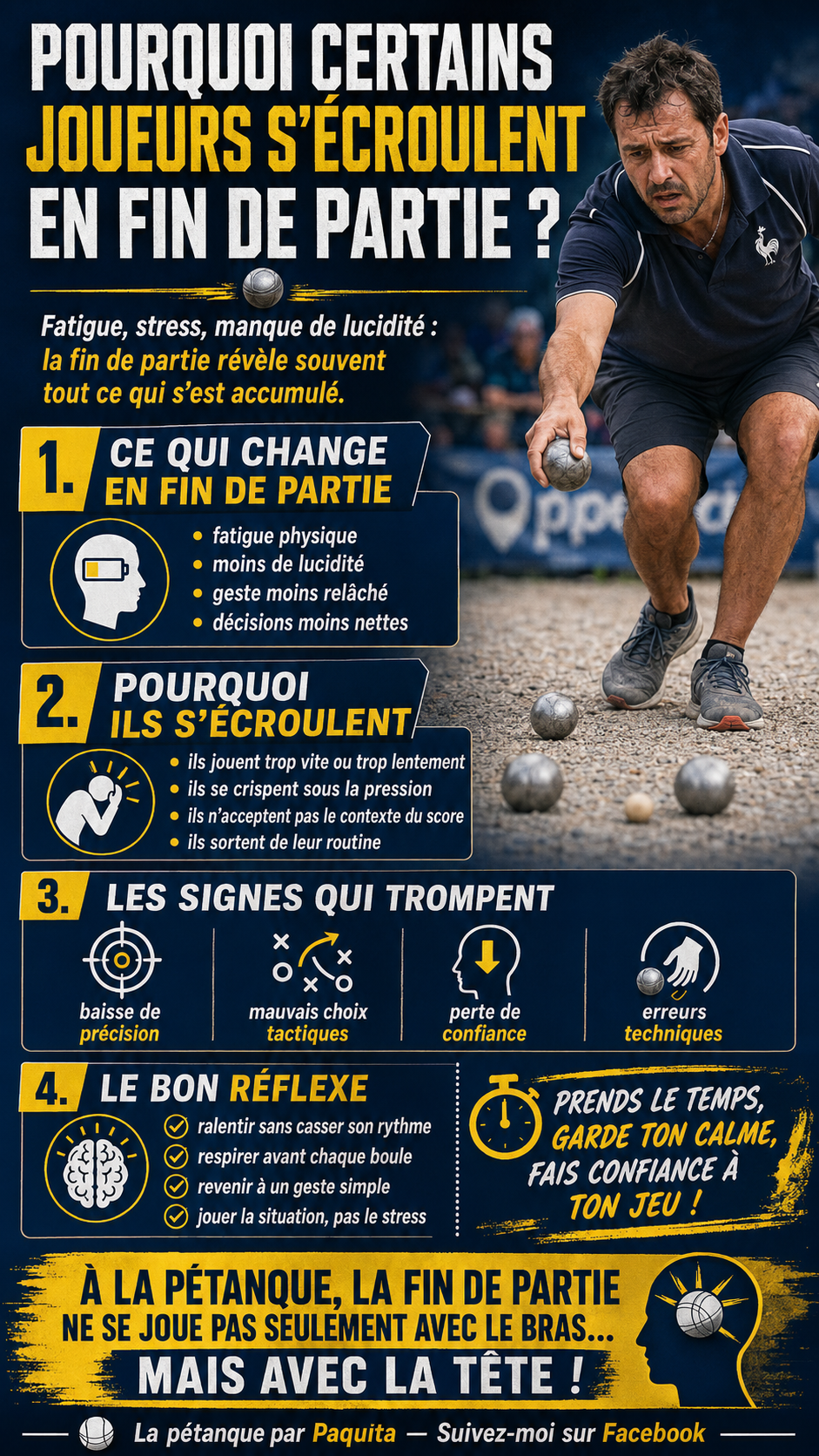
Pétanque: Why do some players crumble at the end of a game?
Playing well for 10 ends then
Read more →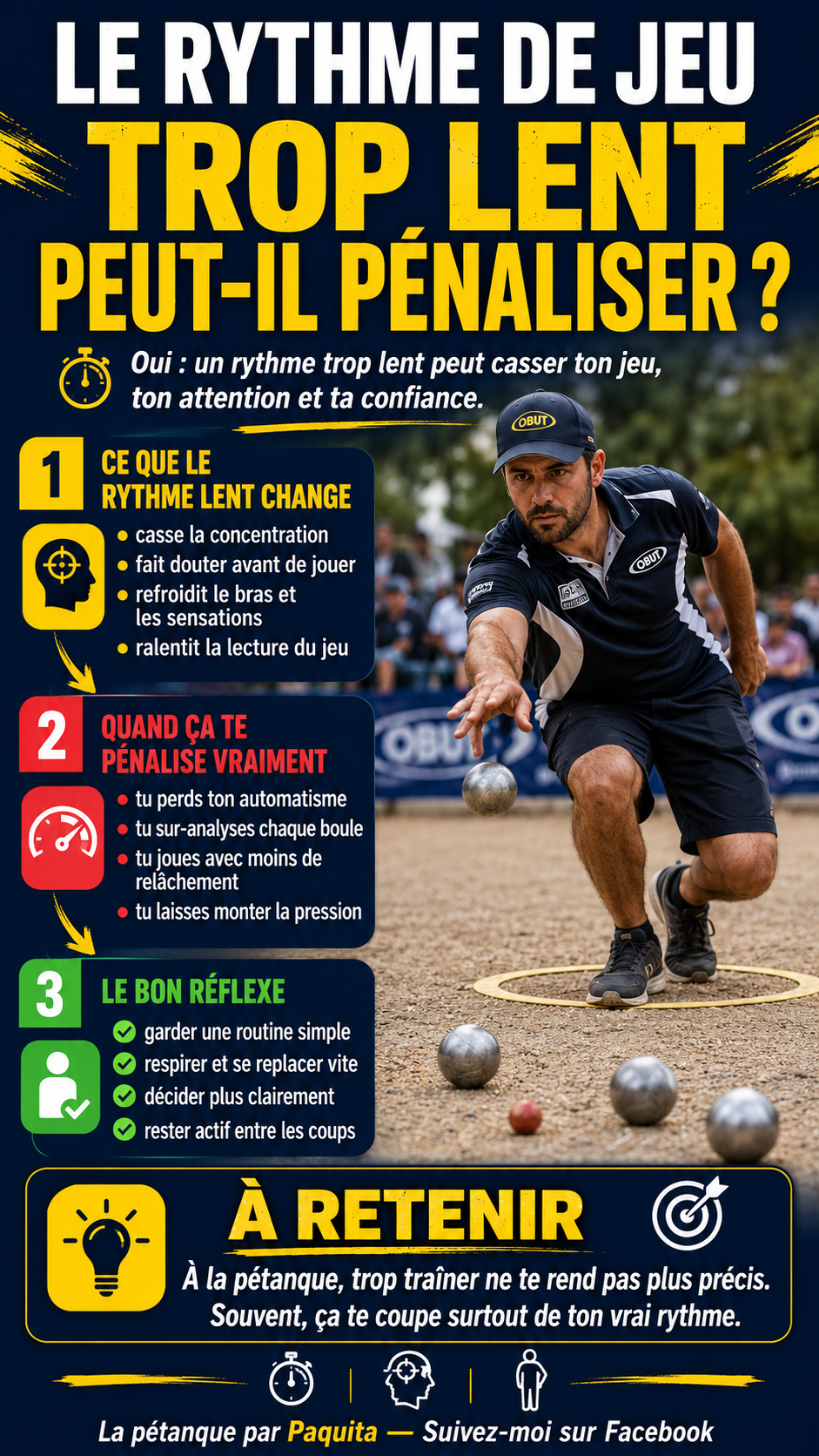
Pétanque: Can too slow a pace of play penalise you?
Jouer lentement passe souvent pour de la sagesse ou de la concentration. Mais un rythme trop lent peut aussi pénaliser — sur le mental, le m…
Read more →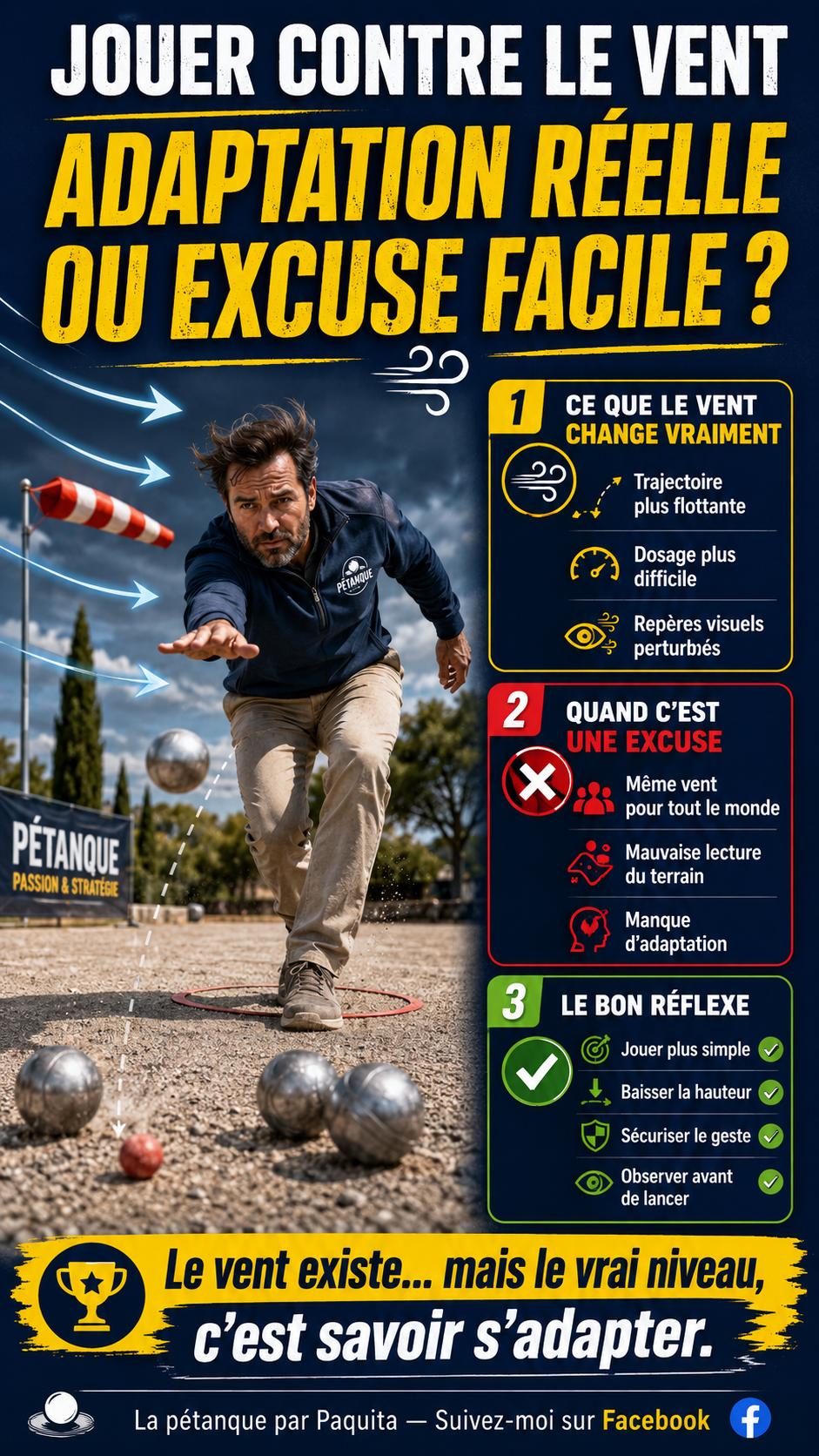
Pétanque and wind: Real adaptation or just an excuse?
Le vent affecte réellement la pétanque — mais pas de la façon dont la plupart des joueurs le croient. Paquita distingue les effets mesurable…
Read more →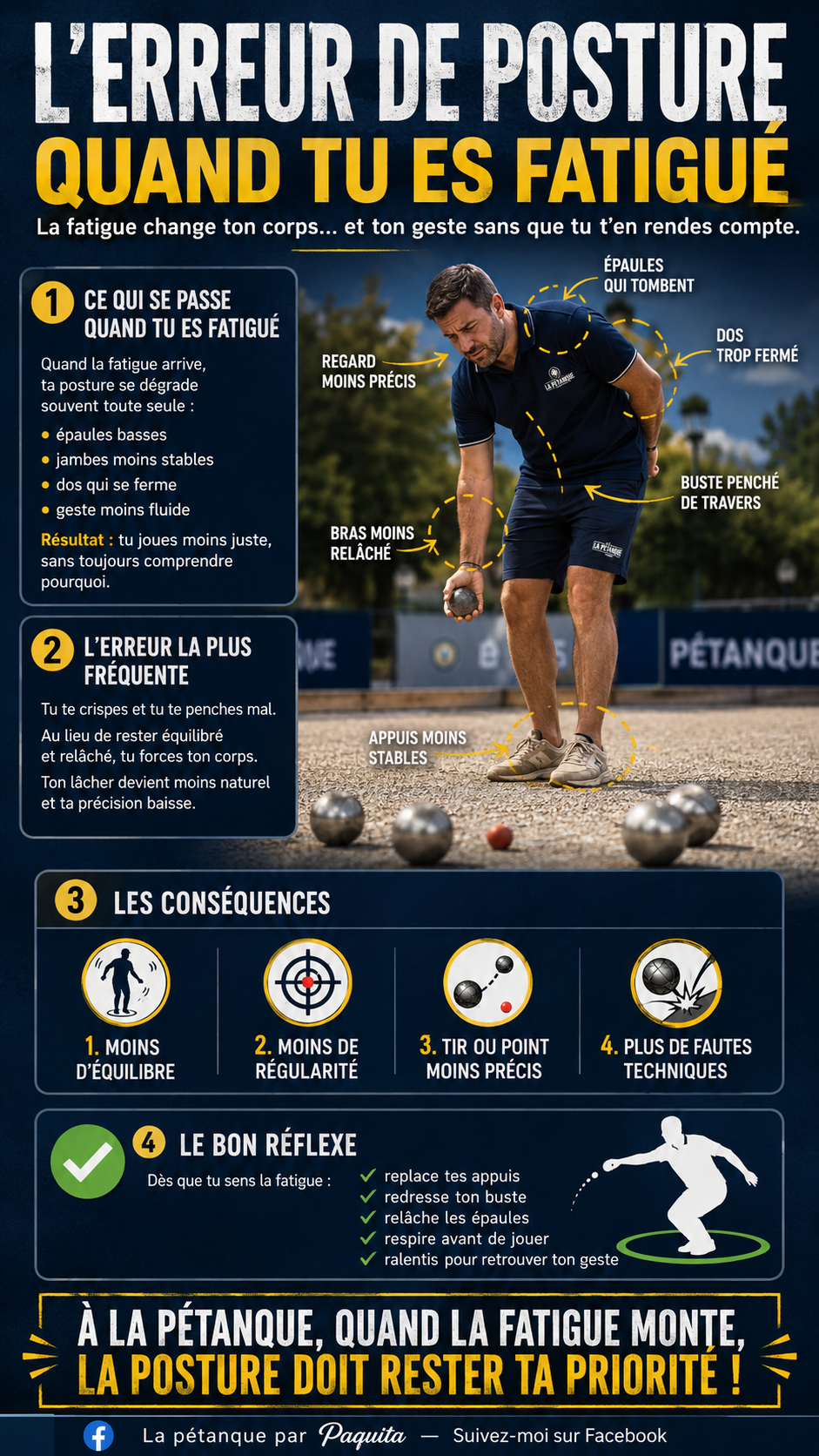
Pétanque: The posture mistake to avoid when tired
Fatigue alters the throwing posture even before the player
Read more →📬 Paquita's pétanque newsletter
New articles, videos, free tools and offers — straight to your inbox.